The Impact of Stone Patterns and Veins on Final Price
1. Introduction: Why Are Stone Patterns and Veins Important in Pricing?
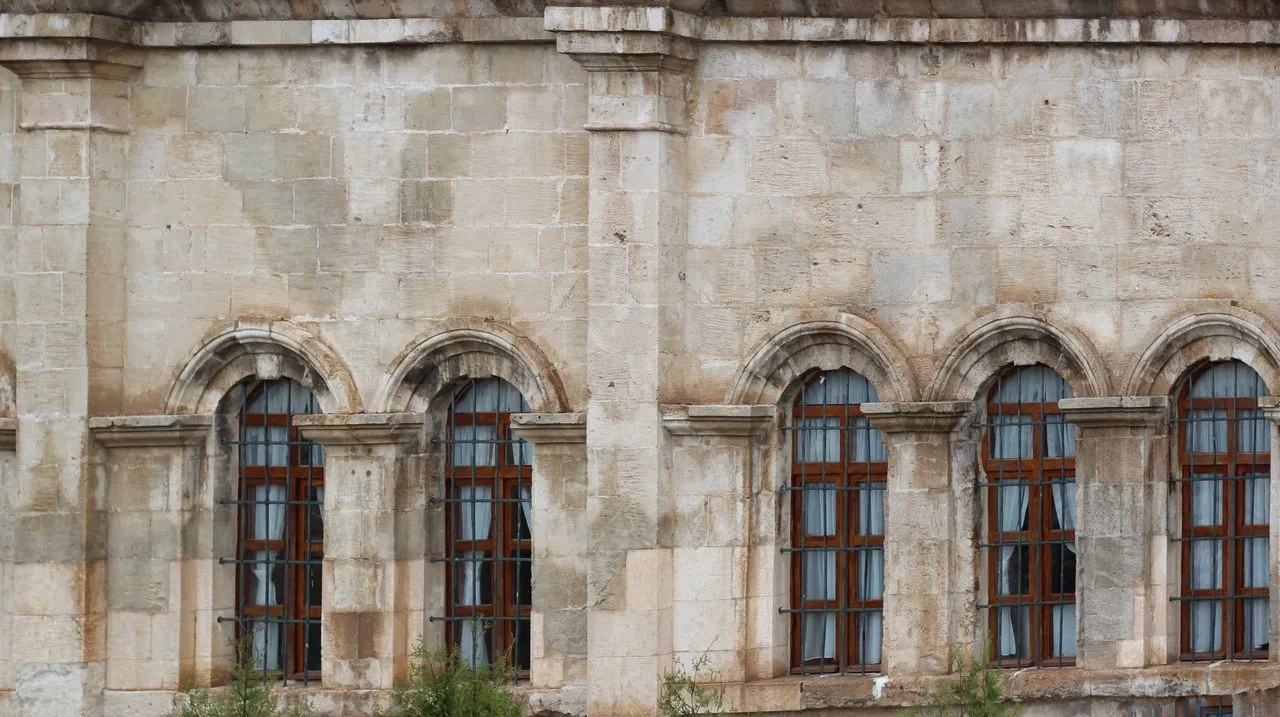
Natural stone patterns and veins are among the most important factors that determine its value and final price. Every stone tells a story from the depths of the earth, and its natural patterns not only create a unique visual beauty but also reflect its quality, authenticity, and rarity. In the construction stone market, special designs and cohesive or unique veins can make a significant difference in the final value per square meter. From exterior facades to luxurious interior designs, choosing stone with harmonious and attractive veins gives a project a lasting and eye-catching appeal. Understanding how natural patterns and textures affect price helps architects and buyers make more informed and intelligent choices for their spaces.
2. Understanding the Natural Structure of Stones: How Do Veins Form?
Stone veins result from millions of years of pressure, heat, and chemical reactions within the earth. These natural processes distribute minerals across different layers of the stone, creating unique patterns that are never repeated in any two pieces. For example, marble veins are the result of the recrystallization of calcium carbonate under specific geological conditions, while in travertine, gas bubbles and mineral deposits create banded patterns. The more diverse the mineral composition and the more complex the formation process, the more visually striking the stone pattern and the higher its value. Understanding the origin and type of veins helps buyers identify the true quality of the stone and choose the most suitable option for their specific projects.
3. The Impact of Stone Type (Travertine, Marmerite, Granite, and Marble) on Pattern and Final Price
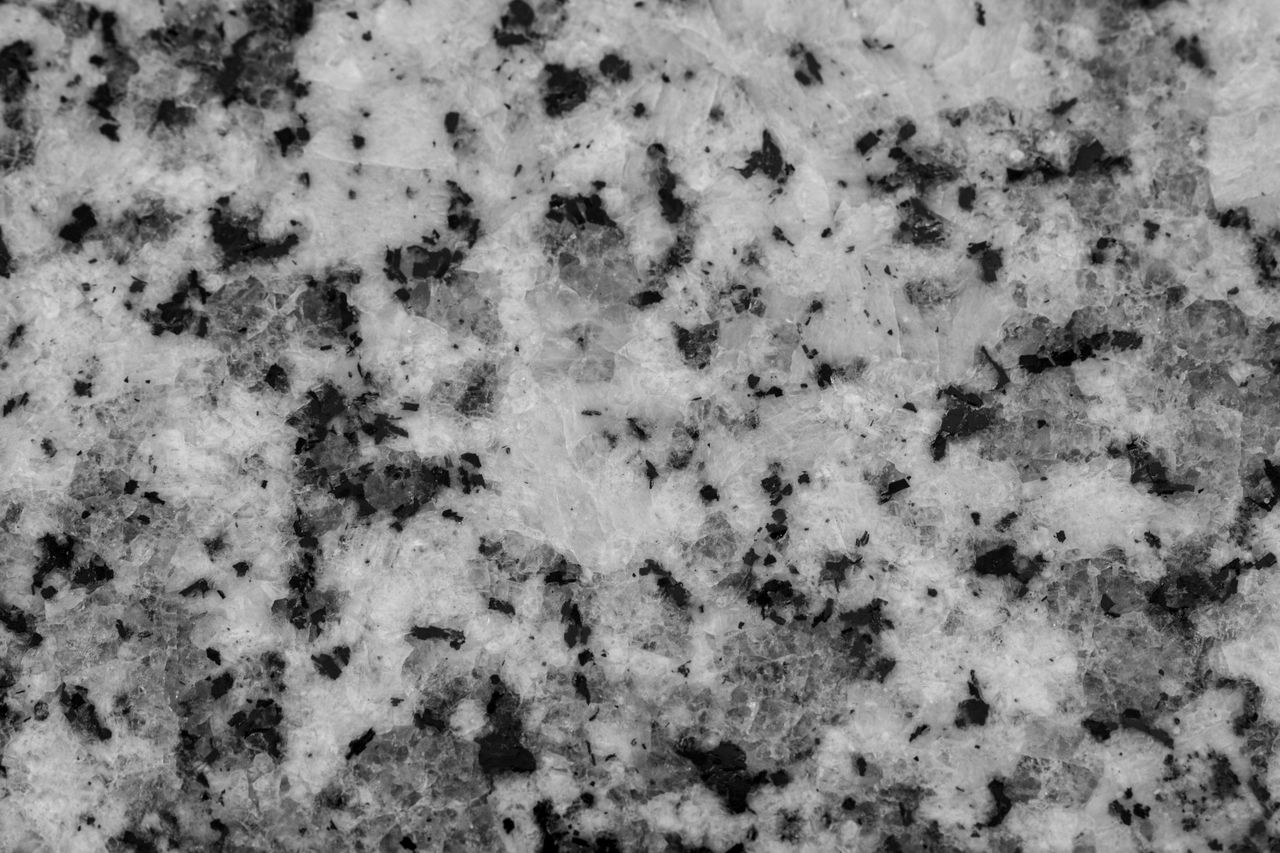
Each natural stone type has a unique structure and pattern that directly affects its price. Travertine typically features linear and regular veins that provide a warm and natural appearance for exterior facades and, due to its color variety and ease of cutting, is one of the most popular options on the market. Marmerite, with its delicate veins and polished surface, is mainly used in luxurious interiors and adds classic beauty to the space. Granite, with its coarse texture and scattered patterns, offers high durability and is suitable for high-traffic areas. In contrast, marble, with its wavy and glossy veins, symbolizes luxury and grandeur and is often used in special projects with higher budgets. Choosing the appropriate stone type, depending on project needs and desired aesthetics, plays a decisive role in the final price.
4. Difference Between Regular and Irregular Patterns: Which Is More Suitable for Luxury Projects?
Regular stone patterns, especially in travertine and marmerite, convey a sense of balance and order, making them very suitable for spaces with classic or minimal designs. These patterns ensure that stone arrangements appear harmonious and uniform, a feature that adds significant value in large construction projects. In contrast, irregular patterns with wavy, broken, or more natural veins convey dynamism and uniqueness. These types of veins are often found in more luxurious stones such as marble and onyx and are very popular in special areas like grand lobbies, hotels, and modern villas. Choosing between regular and irregular patterns depends not only on the designer’s taste but also on the type of space and the project’s purpose. However, there is no doubt that unique and non-repetitive patterns usually hold higher market value.
5. The Impact of Color and Vein Spectrum on Stone’s Visual and Monetary Value
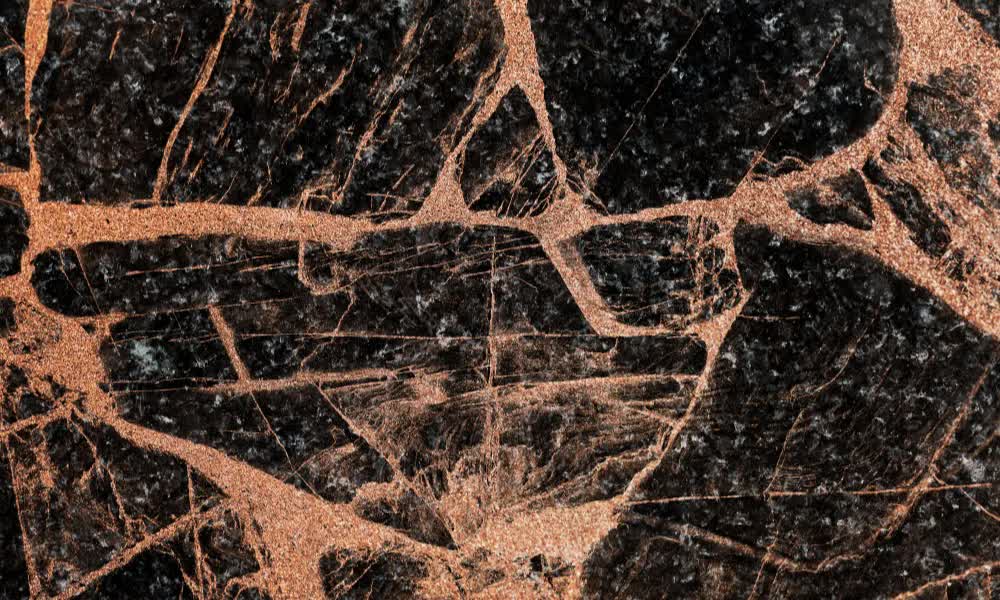
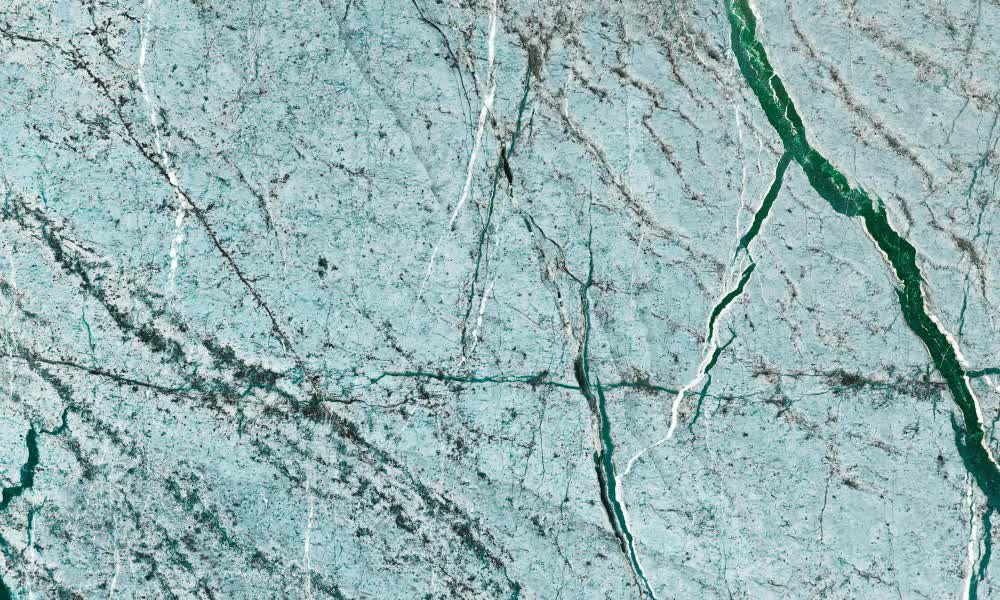
Color and the intensity of veins are among the most prominent factors determining a stone’s beauty and price. Stones with a balanced color contrast between the background and veins create a more striking appearance and are usually used in luxury projects. For example, marmerite with a light background and soft gray veins evokes a sense of calm and elegance, while stones with dark and bold veins offer a more daring and modern look. Additionally, color uniformity across the entire slab or block indicates higher quality and more precise processing. Rare colors such as gold, blue, or green, which are less common in nature, usually command higher prices due to their scarcity and uniqueness. Harmonizing color and veins in space design can significantly enhance the sense of luxury and the final project value.
6. The Role of Processing and Cutting Methods in Enhancing Vein Display and Increasing Final Price
Stone processing is the stage that reveals its natural beauty, and the cutting method can significantly alter the appearance of the veins. Cutting parallel to the natural layers produces linear and regular veins, whereas vertical or angled cutting creates wavy and eye-catching patterns. Different finishes, such as polished, leathered, or matte, also greatly impact the final appearance; for instance, a polished surface enhances color depth and vein brilliance, giving the stone a more luxurious look. Moreover, using modern processing technologies like resin treatment and epoxy increases durability and pattern clarity. The higher the precision and quality in these stages, the more beautiful the stone’s final appearance and the more competitive its market price. Choosing the right processing can make the difference between an ordinary stone and a premium one.
7. Comparing Slab Stones with Regular Cut Stones in Terms of Appearance and Price
Slab stones, due to their larger dimensions and more complete display of patterns and veins, offer a much more luxurious and natural appearance. In this type of cutting, veins appear continuous and harmonious across the stone surface, providing a unique aesthetic to the space. This feature makes slabs ideal for prominent areas such as main walls, kitchen countertops, lobbies, and special projects. In contrast, regular cut stones, due to smaller dimensions and repeated arrangements, show patterns and veins separately, giving a simpler appearance. Higher production, transportation, and processing costs of slabs are among the main reasons for their increased price. However, for projects seeking a distinctive, harmonious, and striking look, choosing slab stone is considered a smart investment.
8. The Impact of Stone Pattern Harmony with Interior Design and Exterior Facade Styles
Harmonizing stone patterns and veins with the overall design style plays a crucial role in the beauty and final value of a project. In classical designs, stones with regular veins and warm colors such as cream, beige, or gold are selected to convey a sense of authenticity and grandeur. In contrast, in modern and minimalistic styles, stones with irregular veins, cool tones, and high contrast like white, gray, or black are more popular. For exterior facades, stones with natural designs and resistance to weather conditions are preferred, while in interior spaces such as floors, walls, and kitchens, visual impact and color coordination are more important. Correctly selecting patterns and veins according to design style not only enhances the beauty of the space but also reflects the project’s professional and design-oriented understanding.
9. Examples of Stones with Unique and Rare Veins That Have Higher Export Value
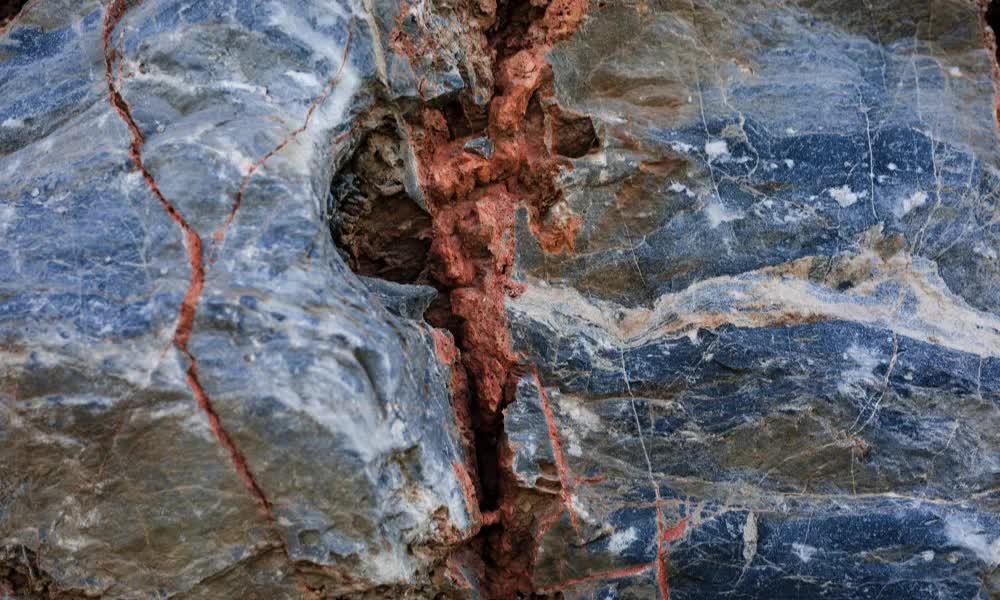
Some types of natural stones hold very high value in global markets due to their unique and rare veins. For example, onyx marble with transparent veins and gold, green, and honey tones is among the most expensive stones in international luxury projects. Lashter marmerite, with a dark background and regular white veins, offers a modern and powerful look that is highly popular in minimalistic spaces. Abbasabad and Hajiabad travertine, due to their linear and harmonious veins, also hold a special place in exports. In granites, unique designs such as Natanz black granite or Yazd red granite, due to their exceptional color and texture, have gained high export value. The more unique, natural, and non-repetitive a stone’s pattern is, the stronger its position in the global market and the more striking its final price.
1o. Common Mistakes in Choosing Stone Patterns and Veins When Purchasing for Construction Projects
A common mistake when purchasing stone is focusing solely on its initial appearance without considering the harmony of veins with the design style and ambient lighting. Many buyers only pay attention to beauty in the showroom, but upon installation, they notice that patterns and veins appear mismatched. Another mistake is ignoring the direction of veins during installation; incorrect arrangement can ruin the natural beauty of the stone. Additionally, choosing stones with overly dense veins or contrasting colors for small spaces creates visual clutter. Sometimes, decisions are made based solely on appearance, without considering the stone’s durability under climate conditions or light exposure. Awareness of these points helps buyers make smarter choices and enjoy the true beauty of the stone in their project.
11. How Reputable Brands Increase the Final Value of Stone Through Precise Selection and Processing
In the construction stone industry, the difference between an ordinary product and a premium stone lies in the details of selection, processing, and quality control. Reputable brands carefully choose stone blocks from top quarries to ensure the patterns and veins are highly harmonious and visually appealing. During processing, modern machinery and specialized techniques such as resin treatment, precise cutting, and professional polishing are used to enhance vein clarity and shine. Engineering supervision at all production stages prevents cracks or surface defects that could reduce the stone’s final value. The result of this precision and care is a product that is not only visually striking but also offers greater durability, consistency, and quality, commanding significantly higher prices in both domestic and export markets.
12. Conclusion and Invitation for Personalized Consultation: Choosing the Best Stone Pattern for Your Project
Ultimately, stone patterns and veins influence its beauty, authenticity, and final price more than any other factor. Understanding these details helps you select a stone that aligns with your design style, budget, and project goals. Every vein in the stone reflects the history of the earth and nature, and a conscious choice can transform a space from simplicity to grandeur and durability. If you need expert guidance in choosing the best stone type and pattern for your construction project, simply send a message via WhatsApp. Our specialists will provide precise advice to help you make a confident and cost-effective selection. The right decision today can ensure the value and appeal of your project for years to come.