
How to Choose the Best Natural Stone for Commercial Buildings
Introduction
Natural stone has long been a favored material in commercial building design for its timeless beauty, durability, and versatility. Choosing the right natural stone for your commercial project is crucial not only for aesthetic appeal but also for longevity and cost-efficiency. This guide offers a detailed exploration of how to select the best natural stone for commercial buildings, helping architects, builders, and property owners make informed decisions that stand the test of time.
Understanding Natural Stone Types
Natural stone comes in various types, each with unique characteristics that impact its suitability for commercial applications. The most common types include:
Granite
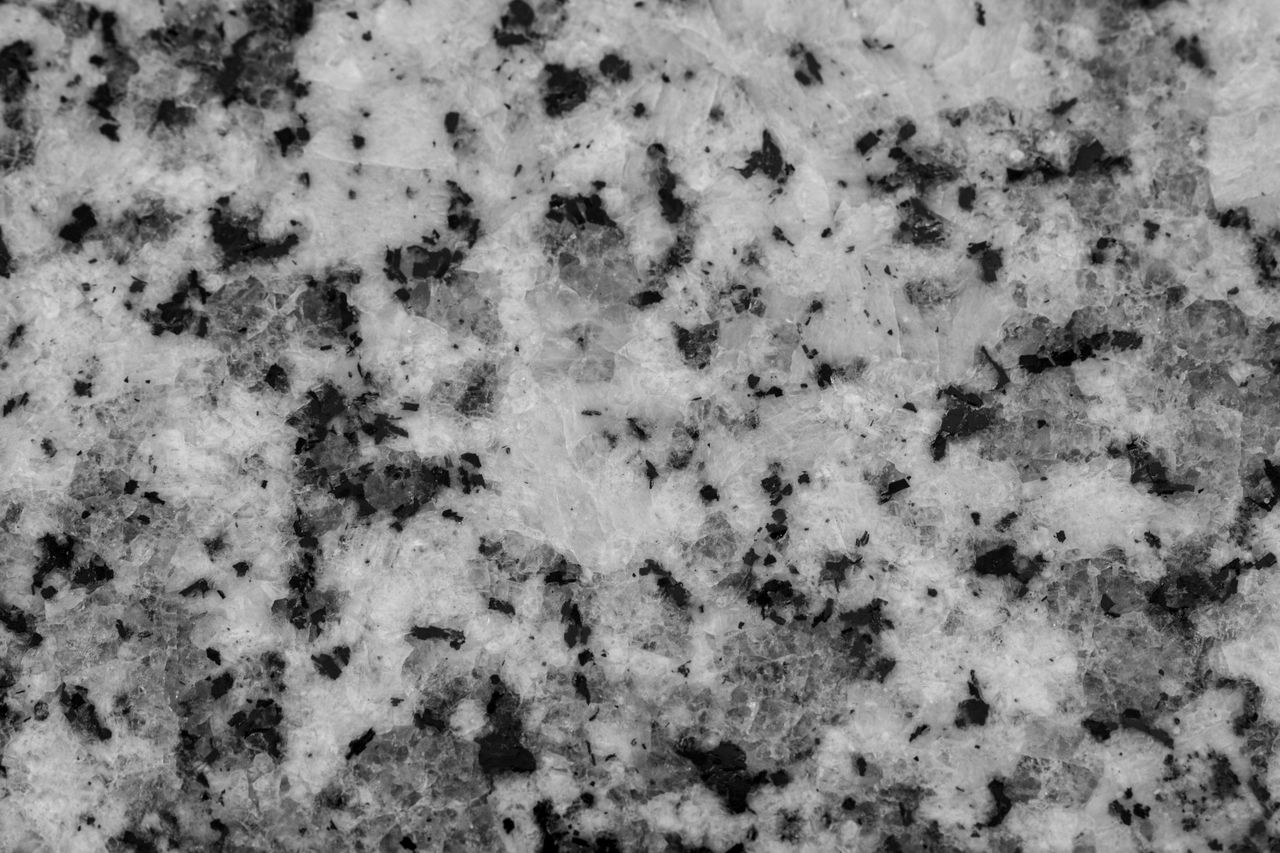
Known for its hardness and resistance to abrasion, granite is ideal for high-traffic commercial spaces. It offers a wide range of colors and patterns, making it versatile for both flooring and cladding.
Marble
Marble stands out for its elegance and distinctive veining. While it adds a luxurious touch, it is softer than granite and can be prone to staining and scratching, requiring careful consideration for commercial usage.
Limestone
Limestone provides a subtle, natural texture with warm tones. It is softer than granite and marble, making it better suited for low-traffic areas or decorative elements.
Sandstone
With its gritty texture and earthy colors, sandstone is often used for exterior facades and landscaping. It’s important to consider its porosity and susceptibility to weathering.
Slate
Slate is prized for its durability and slip resistance, making it a practical choice for flooring and roofing in commercial structures.
Key Factors to Consider When Choosing Natural Stone
Durability and Hardness
Commercial buildings often experience heavy foot traffic and exposure to environmental elements. Assessing the stone’s durability and hardness is crucial. Granite, for example, scores high on the Mohs scale, making it resistant to scratches and wear.
Aesthetic Appeal
The visual impact of natural stone can define a building’s character. Consider color, pattern, and finish. Polished surfaces provide a sleek look, while honed or textured finishes offer a more subdued, natural appearance.
Maintenance Requirements
Maintenance can influence long-term costs. Some stones like marble require regular sealing and careful cleaning to prevent damage, while granite and slate tend to be lower maintenance.
Environmental Conditions
Evaluate the climate and environmental exposure. Stones like sandstone may weather quickly in harsh climates, whereas granite and slate can withstand extreme temperatures and moisture.
Cost Considerations
Natural stone varies greatly in price based on type, quality, and sourcing. Balancing budget constraints with the desired quality and appearance is essential for commercial projects.
Applications of Natural Stone in Commercial Buildings
Flooring
Durable stones like granite and slate are excellent for flooring due to their resistance to wear and slip. They can accommodate heavy foot traffic without compromising safety or appearance.
Wall Cladding
Stone cladding enhances the exterior and interior walls, providing insulation and a sophisticated look. Limestone and sandstone are often used for their textural qualities.
Countertops and Reception Areas
Marble and granite are popular choices for countertops in lobbies and reception areas, balancing elegance and durability.
Landscaping and Outdoor Features
Natural stone can be integrated into outdoor plazas, walkways, and facades, complementing the architectural style and providing long-lasting performance.
Evaluating Quality and Source
Inspecting Stone Samples
Always examine physical samples. Look for uniformity in color and texture, absence of cracks or fissures, and consistency in the finish.
Supplier Reputation
Work with reputable suppliers who can provide documentation about the stone’s origin and quality certifications to ensure authenticity and durability.
Sustainability Considerations
Natural stone extraction impacts the environment. Seek suppliers who follow ethical quarrying practices and consider using locally sourced stones to reduce carbon footprint.
Installation Best Practices
Proper installation is key to maximizing the benefits of natural stone in commercial buildings. Engage experienced installers who understand the unique requirements of each stone type, including appropriate adhesives, grout, and sealing techniques. Improper installation can lead to premature failure and increased maintenance costs.
Case Studies: Successful Use of Natural Stone in Commercial Projects
Examining real-world examples provides valuable insights. For instance, a corporate headquarters using granite flooring combined with limestone cladding balanced durability with aesthetics, while a luxury hotel featured marble reception areas that enhanced the space’s prestige but required a dedicated maintenance plan.
Conclusion
Choosing the best natural stone for commercial buildings is a nuanced process that requires balancing aesthetics, durability, maintenance, and cost. By understanding the characteristics of different stone types and considering the specific demands of your project, you can select a material that not only elevates the building’s appearance but also ensures long-term performance and value.
Investing time in research, quality sourcing, and professional installation will result in a commercial building that stands out for both form and function. Natural stone remains an unparalleled choice for those seeking a blend of natural beauty and enduring strength in their commercial architecture.