Why Developers Prefer Natural Stone Over Artificial Materials
Introduction
In the competitive world of construction and real estate development, material selection plays a crucial role in a project’s success. Developers today face a multitude of choices when it comes to building materials, balancing aesthetics, cost, and sustainability. Among these options, natural stone consistently stands out as the preferred choice over artificial materials. This article delves deep into the reasons why developers favor natural stone, highlighting its durability, timeless appeal, environmental benefits, and overall value.
The Enduring Durability of Natural Stone
Natural stone has been used as a building material for centuries, and its longevity in construction projects is a testament to its unparalleled durability. Developers recognize that buildings constructed with natural stone often require less maintenance and have a longer lifespan compared to those using synthetic alternatives.
Resistance to Weather and Wear
Natural stone exhibits exceptional resistance to weathering, ultraviolet radiation, and general wear and tear. Materials such as granite, limestone, and marble can withstand harsh environmental conditions without significant degradation. This makes them particularly attractive for both exterior and high-traffic interior applications.
Structural Strength and Load Bearing
Many types of natural stone possess high compressive strength, allowing them to bear substantial structural loads. This quality is often superior to that of artificial composites, which might require additional reinforcement to achieve similar performance levels. Developers appreciate this intrinsic strength as it translates into safer, more resilient structures.
Timeless Aesthetics and Design Versatility
Beyond functionality, aesthetics play a vital role in material selection. Natural stone offers a unique beauty, characterized by organic textures, rich colors, and intricate patterns that cannot be replicated faithfully by artificial materials.
Unique Patterns and Natural Variability
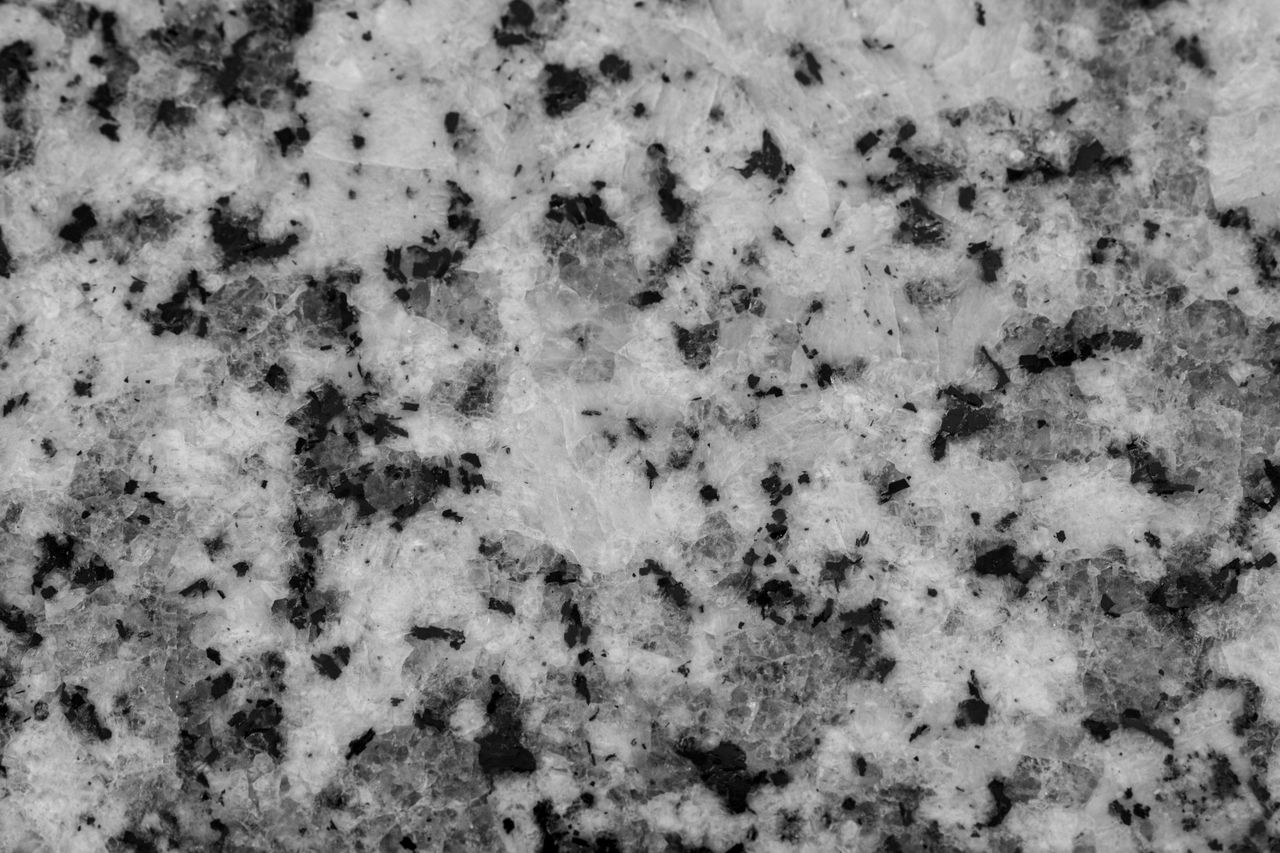
Each slab of natural stone is one-of-a-kind due to the geological formations and mineral compositions that shape it. This uniqueness allows developers to offer buildings with distinctive character and appeal, which can significantly enhance a property’s market value.
Compatibility with Various Architectural Styles
Natural stone’s versatility enables it to complement a wide range of architectural styles—from classic and traditional to modern and minimalist. Whether used as cladding, flooring, countertops, or landscaping elements, natural stone can adapt to diverse design requirements, providing developers with flexibility and creative freedom.
Sustainability and Environmental Considerations
As sustainability becomes a fundamental concern in construction, developers are increasingly scrutinizing the environmental impact of their material choices. Natural stone offers several advantages in this respect compared to artificial alternatives.
Low Embodied Energy
The extraction and processing of natural stone generally require less energy than manufacturing artificial materials, which often involve energy-intensive chemical processes. This lower embodied energy contributes to reduced carbon footprints for construction projects.
Longevity Reduces Resource Consumption
Due to its durability, natural stone requires fewer replacements and repairs over a building’s life cycle, translating to less material waste and resource usage. This long-term sustainability aspect is highly valued by developers committed to eco-friendly construction practices.
Recyclability and Reusability
Natural stone is fully recyclable and can often be repurposed in other construction applications or landscaping, reducing landfill waste. By contrast, many artificial materials pose challenges in recyclability and can contribute to environmental pollution.
Cost-Effectiveness Over the Long Term
While natural stone may involve higher upfront costs compared to some artificial materials, developers see its value as an investment rather than an expense.
Reduced Maintenance and Replacement Costs
The durability of natural stone means fewer repairs and replacements over time, which offsets initial expenditures. Developers appreciate this long-term cost predictability, which contributes to better budgeting and return on investment.
Enhanced Property Value
Natural stone’s premium appearance and status often translate into higher property values and greater buyer appeal. This uplift can justify the initial higher material costs, especially in luxury residential and commercial developments.
Health Benefits and Indoor Air Quality
Another factor influencing developers’ preference is the positive impact natural stone has on indoor environmental quality.
Non-Toxic and Hypoallergenic Material
Unlike artificial materials that may off-gas volatile organic compounds (VOCs) or contain synthetic additives, natural stone is inert and free from harmful chemicals. This contributes to healthier indoor air quality, an increasingly important consideration for residential and commercial spaces alike.
Thermal Regulation Properties
Natural stone can naturally regulate indoor temperatures through its thermal mass, improving energy efficiency and occupant comfort. Developers prioritize such passive design features to meet green building standards.
Conclusion
In summary, developers’ preference for natural stone over artificial materials stems from a combination of durability, aesthetic appeal, sustainability, long-term cost-effectiveness, and health benefits. Natural stone’s proven track record in construction, coupled with its environmental and design advantages, makes it an enduring favorite in the industry. As the demand for quality, sustainable, and timeless building materials continues to grow, natural stone remains a compelling choice for developers aiming to deliver superior projects.