How Natural Stone Improves Property Value and Investment Returns
Introduction
Real estate investment requires a strategic approach to maximize returns and enhance property value. Among the many factors that contribute to this, the choice of building materials plays a crucial role. Natural stone has long been esteemed for its durability, beauty, and timeless appeal, making it a preferred option for investors and homeowners alike. This article delves into how natural stone improves property value and investment returns, providing an authoritative perspective backed by market insights and practical examples.
The Enduring Appeal of Natural Stone
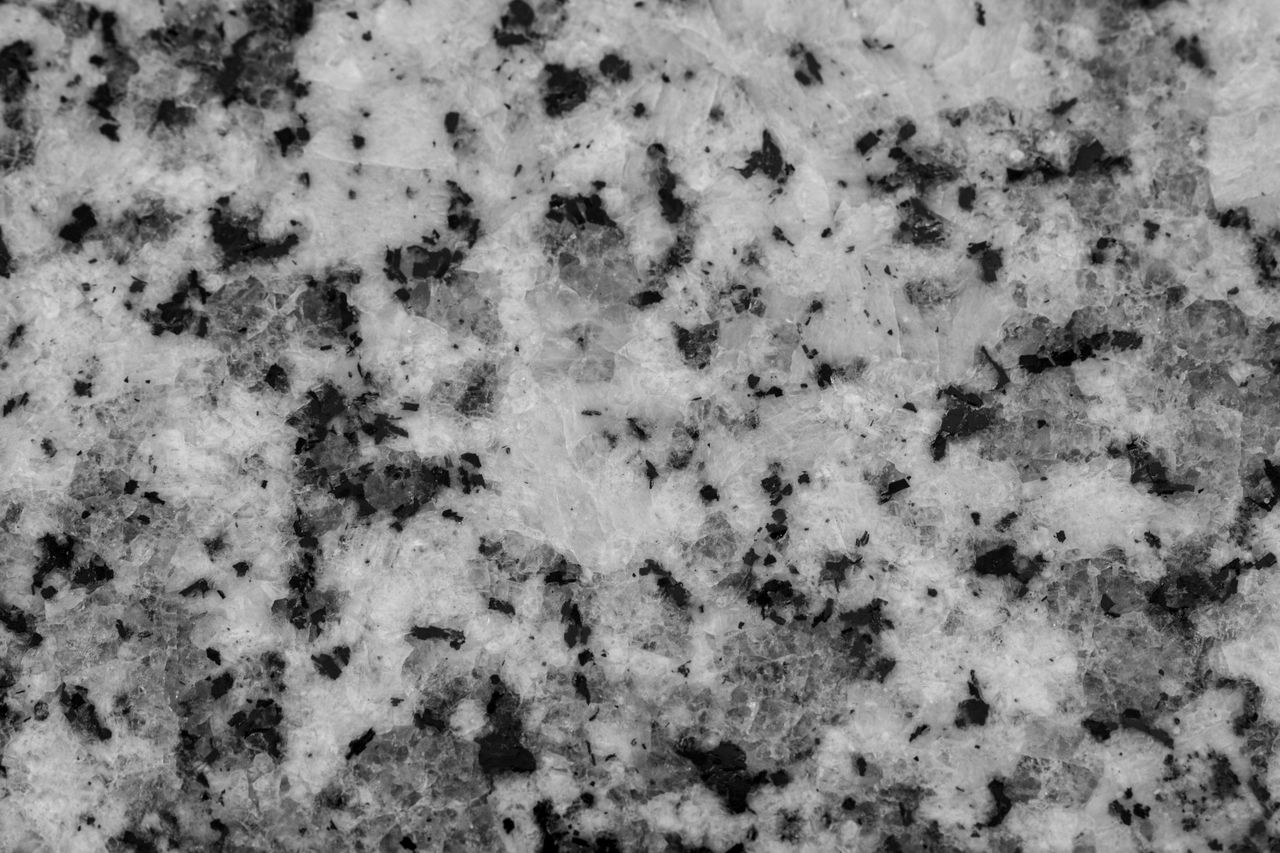
Natural stone, including granite, marble, limestone, slate, and travertine, offers a unique blend of aesthetic charm and structural integrity. Unlike synthetic materials, natural stone is quarried directly from the earth, giving each slab distinctive patterns, textures, and colors. This individuality enhances the character of a property, attracting potential buyers who appreciate exclusivity and craftsmanship.
Timeless Beauty and Design Versatility
Natural stone transcends architectural styles, fitting seamlessly into modern, traditional, and transitional designs. Its versatility allows it to be used in flooring, countertops, facades, fireplaces, and landscaping features. The material’s natural variations enrich visual interest, contributing to a sense of luxury and sophistication that elevates a property’s marketability.
Durability and Longevity
One of the primary reasons natural stone enhances property value is its exceptional durability. Resistant to wear, weathering, and damage, natural stone maintains its appearance and functionality for decades. This longevity reduces maintenance costs and the need for frequent replacements, offering investors a tangible advantage in preserving and increasing property worth.
Impact on Property Value
The integration of natural stone in real estate properties correlates strongly with increased market value. Several aspects underpin this relationship:
Perceived Luxury and Quality
Natural stone is often associated with high-end construction and superior craftsmanship. Properties featuring stone elements are perceived as premium, commanding higher asking prices. This perception is supported by market data indicating that homes with natural stone countertops or stone exterior accents tend to sell faster and at a premium compared to those without.
Enhanced Curb Appeal
The exterior application of natural stone can dramatically improve curb appeal, a critical factor in real estate valuation. Stone facades, walkways, and garden features create a welcoming and elegant entrance that can differentiate a property in a competitive market. Enhanced curb appeal not only attracts more potential buyers but also justifies higher listing prices.
Energy Efficiency and Sustainability
Natural stone’s thermal mass properties contribute to energy efficiency by regulating indoor temperatures. This can reduce heating and cooling costs, a benefit increasingly valued by environmentally conscious buyers. Furthermore, natural stone is a sustainable material, often locally sourced and with minimal processing, aligning with green building practices that enhance property desirability and value.
Maximizing Investment Returns with Natural Stone
Investors seeking optimal returns must consider both immediate and long-term benefits. Natural stone offers advantages in both realms:
Reduced Maintenance and Repair Costs
Properties constructed or renovated with natural stone incur fewer maintenance expenses. Stone surfaces resist scratches, stains, and chips better than many synthetic alternatives, reducing repair frequency. This durability translates into cost savings over the lifespan of the property, improving net returns.
Increased Rental Income Potential
For investors involved in rental properties, natural stone features can justify premium rental rates. Tenants are often willing to pay more for properties with high-quality finishes that promise comfort, style, and longevity. This can lead to higher occupancy rates and increased cash flow.
Long-Term Appreciation
Natural stone’s enduring appeal supports sustained property appreciation. Unlike trends that may quickly become outdated, stone’s classic aesthetic ensures that properties remain attractive to future buyers. This stability enhances the asset’s value trajectory, contributing to stronger investment returns over time.
Practical Considerations for Using Natural Stone
To fully leverage natural stone’s benefits, investors and property owners should consider several practical factors:
Selection and Sourcing
Choosing the right type of stone for the intended application is critical. Factors such as hardness, porosity, and color should be matched to the environment and usage patterns. Additionally, sourcing stone from reputable quarries ensures quality and ethical practices, which can further enhance property value.
Installation and Maintenance
Professional installation is essential to maximize durability and aesthetic appeal. Improper installation can lead to cracks, uneven surfaces, or water infiltration. Regular maintenance, including sealing and cleaning with appropriate products, preserves stone integrity and appearance.
Cost-Benefit Analysis
While natural stone may entail higher upfront costs compared to synthetic materials, its long-term benefits often justify the investment. A thorough cost-benefit analysis considering purchase price, installation, maintenance, and potential value increase is advisable to inform decision-making.
Case Studies and Market Insights
Recent studies and market reports highlight the tangible impact of natural stone on property valuation:
Residential Market Trends
Properties with natural stone features, particularly kitchens and bathrooms, show an average increase in resale value of 5% to 15%, according to real estate analytics firms. Buyers consistently rate natural stone elements as desirable upgrades, influencing purchase decisions.
Commercial Real Estate
In commercial properties, natural stone facades and flooring contribute to a professional and upscale environment. This can attract high-profile tenants and command premium lease rates, directly impacting investment returns.
Conclusion
Natural stone stands out as a strategic material choice for enhancing property value and optimizing investment returns. Its combination of aesthetic excellence, durability, and sustainability resonates with buyers and investors seeking long-term benefits. By understanding the multifaceted advantages and making informed decisions about selection and installation, stakeholders can capitalize on natural stone’s potential to elevate real estate assets.
Investing in natural stone not only reflects a commitment to quality but also positions properties favorably in a competitive market, ensuring both immediate appeal and enduring value.