The Best Stone Materials for Luxury Hotels and Resorts in the GCC
Introduction
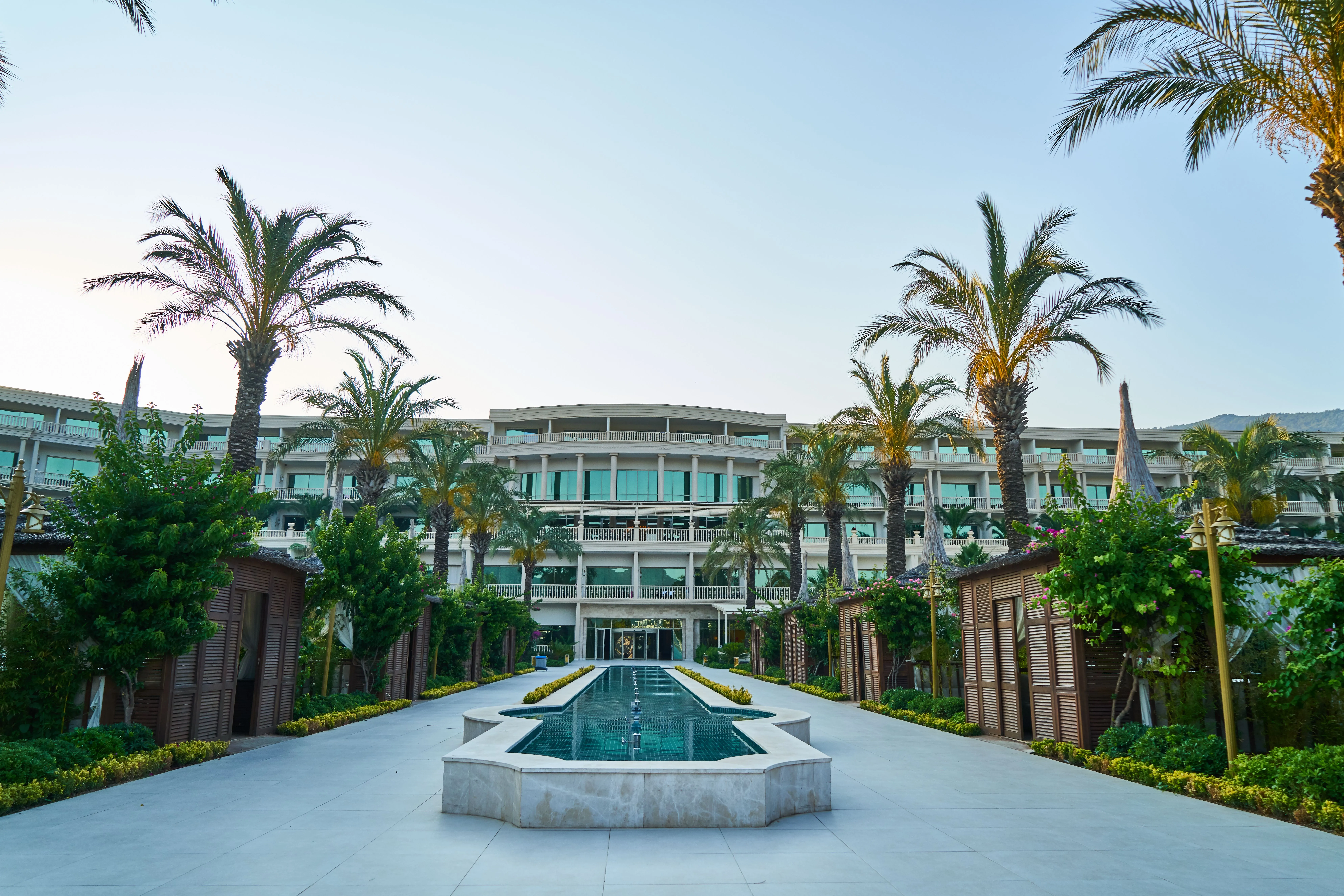
The Gulf Cooperation Council (GCC) region, encompassing countries such as Saudi Arabia, the United Arab Emirates, Qatar, Kuwait, Bahrain, and Oman, is renowned for its luxury hospitality sector. Hotels and resorts here set the bar high for opulence and grandeur, where every element—from architecture to interior finishes—reflects unmatched luxury. One crucial aspect that contributes to the sophisticated ambiance of these establishments is the selection of stone materials. The right stone not only elevates aesthetic appeal but also supports durability and sustainability in extreme climatic conditions prevalent in the GCC.
Why Stone Materials Are Integral to Luxury Hospitality in the GCC
Stone materials have long been favored in luxury hotel and resort construction due to their timeless beauty, durability, and versatility. In the GCC, where temperatures soar and sandstorms are common, the choice of stone must combine functionality with luxury. Stone’s natural insulating properties help maintain comfortable interior environments, while its resilience ensures longevity and minimal maintenance.
Moreover, stones add a distinctive tactile and visual richness that synthetic alternatives rarely replicate. They reflect cultural heritage and craftsmanship, often enhancing the narrative and identity of the hotel or resort while aligning with sustainable building practices.
Top Stone Materials for Luxury Hotels and Resorts in the GCC
1. Marble
Marble is synonymous with elegance and refinement, making it a top choice for luxury hotels in the GCC. Its smooth texture and lustrous finish contribute to an atmosphere of sophistication. Popular varieties such as Carrara, Calacatta, and local beige marbles are widely used for flooring, wall cladding, and decorative features.
Besides aesthetics, marble’s natural coolness is particularly beneficial in the GCC’s hot climate. It helps regulate indoor temperatures, enhancing guest comfort. When selecting marble, it is crucial to consider its porosity and maintenance needs; sealing treatments can improve durability and stain resistance.
2. Limestone
Limestone’s warm, neutral tones complement the desert landscapes of the GCC, making it a favored option in luxury resort design. Its versatility allows it to be used for both structural and decorative purposes, including facades, flooring, and outdoor paving.
High-quality limestone is dense and resistant to weathering, which is essential in the abrasive sand-laden winds of the region. Its ability to age gracefully enhances the timeless appeal of any hospitality project.
3. Granite
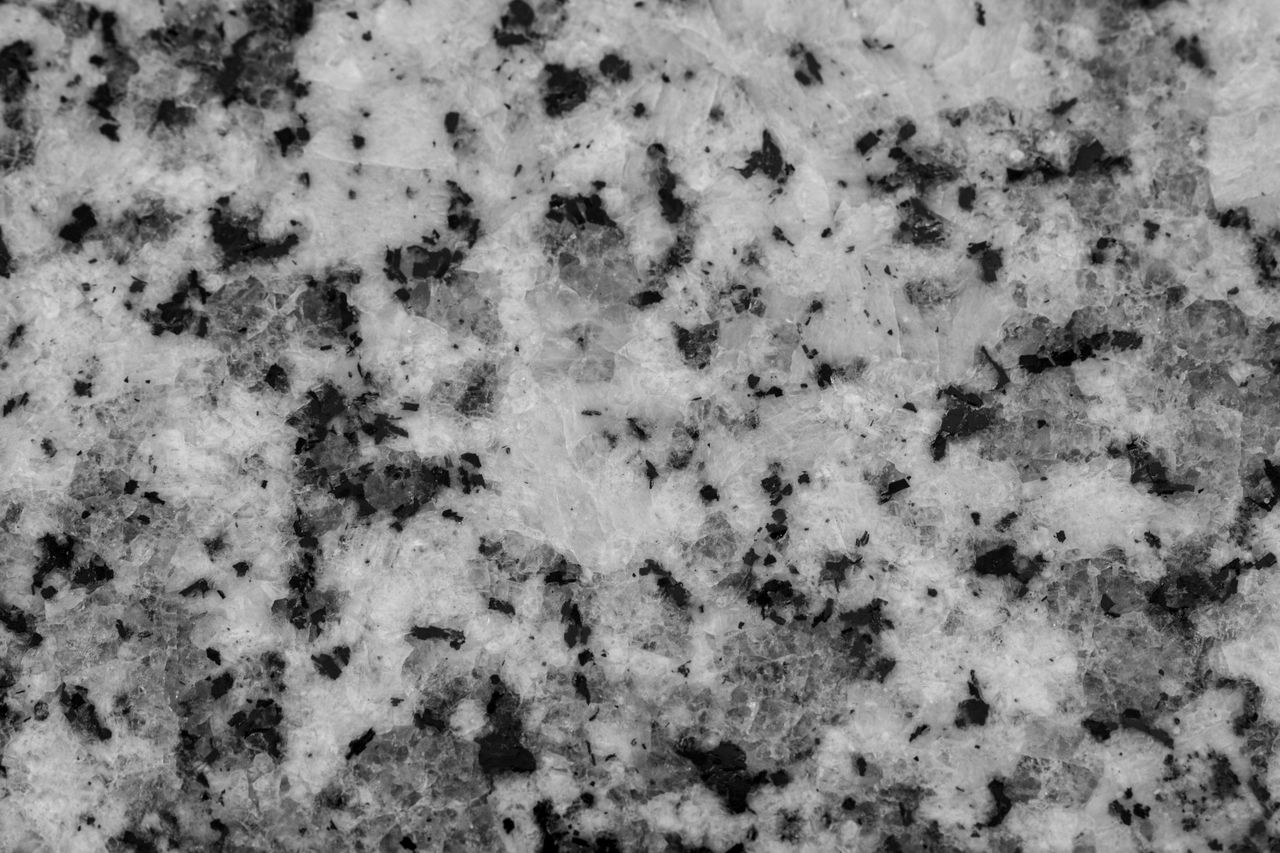
Known for its hardness and durability, granite is ideal for high-traffic areas in hotels and resorts such as lobbies, kitchens, and bathrooms. The stone’s diverse color palette and grain patterns provide ample design flexibility.
Granite withstands the GCC’s harsh environmental conditions without significant wear or discoloration, making it a practical choice for both interior and exterior applications. Additionally, its low porosity contributes to stain resistance and ease of maintenance.
4. Onyx
For projects seeking a dramatic, luxurious statement, onyx offers unparalleled translucency and depth. This semi-precious stone is often backlit to highlight its intricate veins and vivid colors, creating stunning visual effects in lobbies, bars, and feature walls.
While onyx is less durable than granite or marble, its application in controlled environments within hotels allows it to serve as a focal point that embodies luxury and exclusivity.
5. Sandstone
Sandstone’s earthy tones and natural texture make it ideal for creating a warm, inviting atmosphere in resorts focused on blending with the natural environment. This stone is especially popular for outdoor terraces, pool surrounds, and garden pathways.
Its porosity varies depending on the type, so it requires appropriate sealing to withstand the GCC climate. When properly maintained, sandstone contributes to a resort’s authentic and organic aesthetic.
Factors to Consider When Choosing Stone Materials in the GCC
Climate Suitability
The GCC’s extreme heat and occasional sandstorms demand stone materials that resist thermal expansion and abrasion. Stones with low porosity and high compressive strength perform better and require less upkeep.
Sustainability and Sourcing
With increasing emphasis on sustainability, selecting locally sourced or responsibly quarried stones can reduce environmental impact. Additionally, choosing durable materials extends the lifecycle of finishes, contributing to long-term sustainability goals.
Aesthetic Integration
The stone material must complement the overall design theme of the hotel or resort, whether it is ultra-modern, traditional Arabian, or a fusion of styles. Color, texture, and finish play a crucial role in achieving a cohesive luxury experience.
Maintenance and Longevity
High-end hospitality venues require materials that maintain their beauty over time with manageable maintenance. Selecting stones with proven durability in harsh climates minimizes repair costs and preserves visual appeal.
Case Studies: Exemplary Use of Stone in GCC Luxury Hotels
Several iconic hotels in the GCC showcase masterful use of stone materials. For instance, the Burj Al Arab in Dubai features extensive use of marble and onyx, reinforcing its status as a symbol of luxury. The Ritz-Carlton in Riyadh incorporates limestone facades that harmonize with the desert surroundings, while granite accents are prevalent in the Four Seasons Hotel in Doha, offering durability and elegance.
Conclusion
Choosing the right stone materials is pivotal in crafting luxurious, enduring, and climate-resilient hotels and resorts in the GCC. Marble, limestone, granite, onyx, and sandstone each offer unique benefits that cater to different design needs and operational considerations. Integrating these materials thoughtfully not only enhances guest experience but also elevates the architectural prestige of hospitality properties in one of the world’s most competitive luxury markets.
For developers, architects, and interior designers operating in the GCC, understanding the technical and aesthetic nuances of these stones ensures projects that stand the test of time and climate while delivering unparalleled luxury.