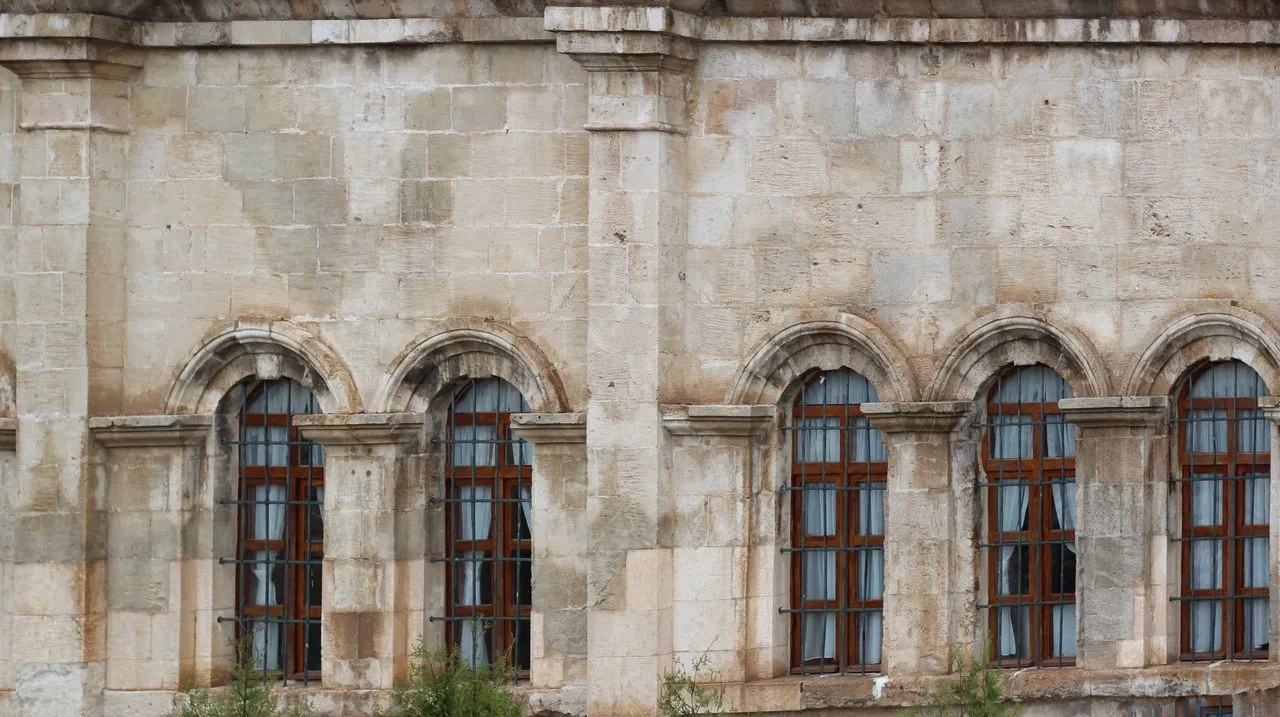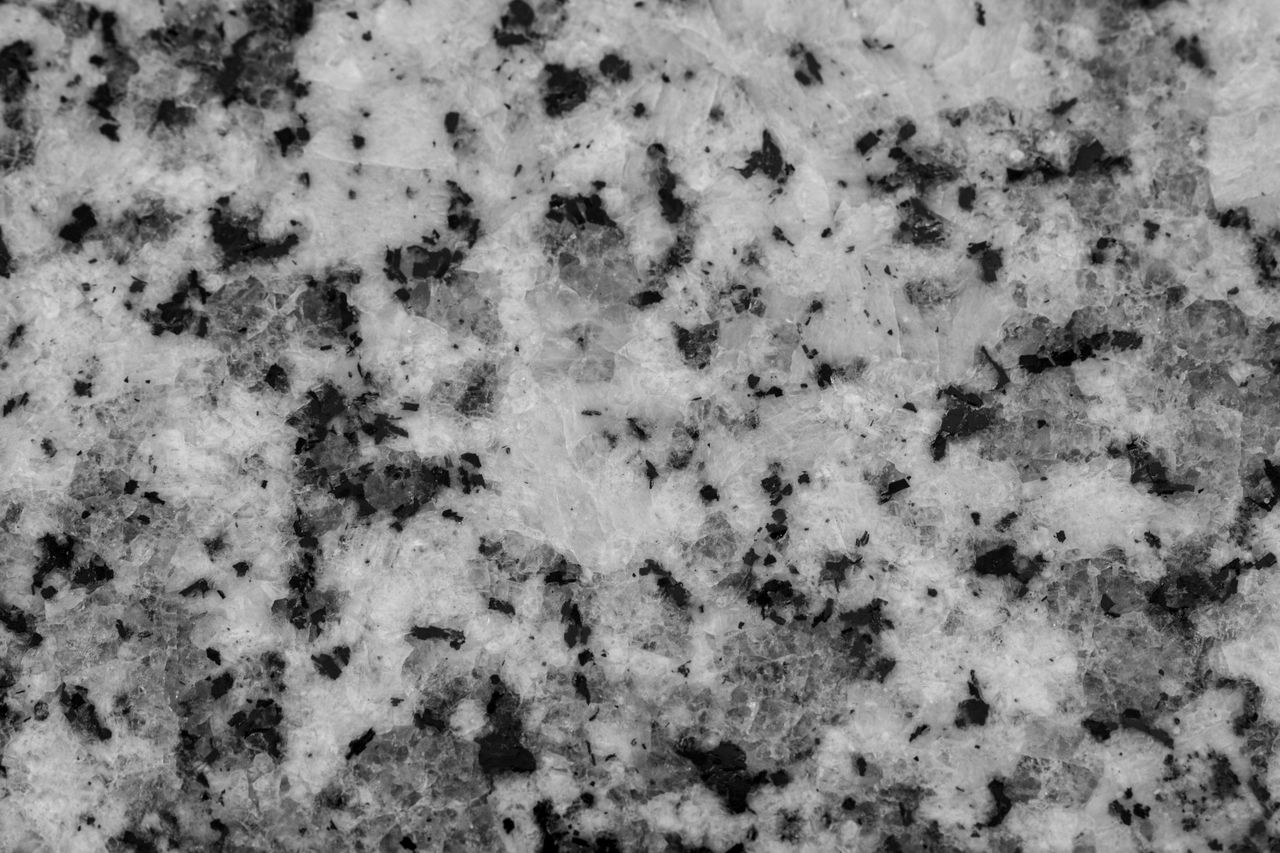
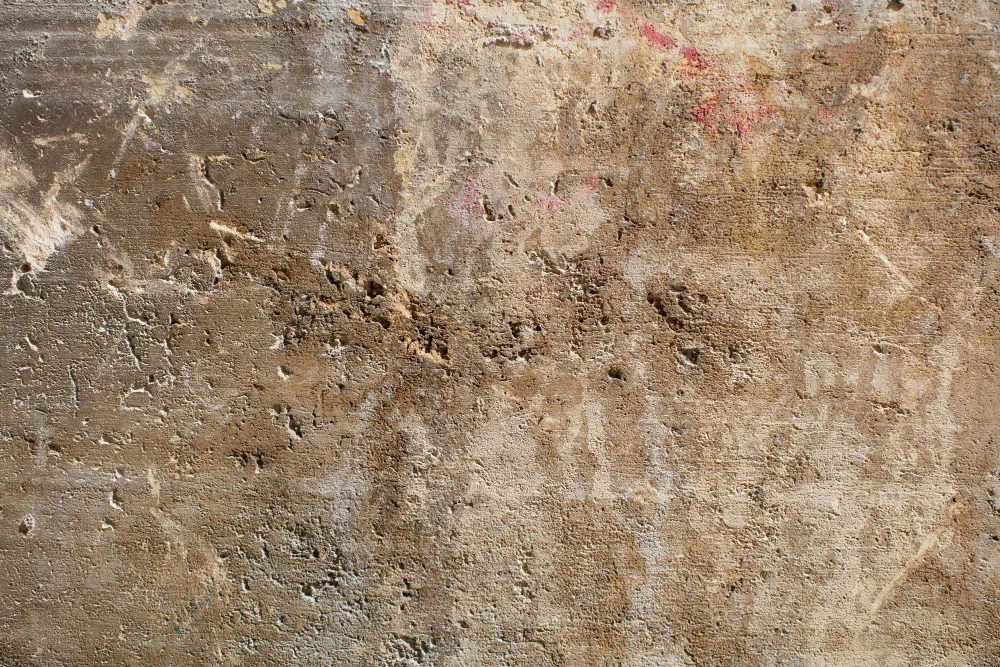
Restoration and Refurbishment: Reviving Old and Dull Stones
Introduction to Stone Restoration and Refurbishment
Stone surfaces have been a timeless choice for both architectural and decorative applications. However, over years or even decades, stones can lose their luster and appear old and dull due to environmental exposure, wear, and neglect. Proper stone restoration and refurbishment is crucial not only for maintaining aesthetic appeal but also for preserving structural integrity.
Understanding the Causes of Stone Deterioration
Before delving into restoration techniques, it is essential to understand why stones deteriorate. Common causes include:
- Weathering: Rain, wind, and temperature fluctuations can erode stone surfaces.
- Biological Growth: Algae, moss, and lichens can penetrate pores and degrade stone.
- Pollution: Acid rain and airborne pollutants chemically react with minerals in the stone.
- Mechanical Damage: Scratches, chips, and impacts from everyday use.
- Improper Maintenance: Usage of harsh cleaning agents or neglect can accelerate damage.
The Importance of Professional Stone Restoration
Stone restoration is a specialized discipline combining knowledge of geology, chemistry, and conservation techniques. Professional intervention ensures:
- Accurate assessment of stone condition.
- Selection of appropriate cleaning and repair methods.
- Use of compatible materials to avoid further damage.
- Enhancement of the stone’s aesthetic and functional longevity.
Step-by-Step Restoration and Refurbishment Process
1. Initial Assessment and Documentation
An expert will begin by evaluating the stone’s current condition, documenting cracks, discolorations, erosion, and other defects. Identifying the type of stone is critical as restoration methods vary between granite, marble, limestone, sandstone, and others.
2. Cleaning
Cleaning removes dirt, biological growth, and pollutants without damaging the stone surface. Techniques include:
- Dry Brushing: Gentle removal of loose particles using soft brushes.
- Water Washing: Low-pressure washing to dislodge dirt.
- Chemical Cleaning: Application of pH-neutral or specially formulated cleaning agents to dissolve stubborn grime.
- Laser Cleaning: Non-invasive removal of surface contaminants and pollutants.
The chosen method depends on the stone type and level of contamination.
3. Repair and Consolidation
Damaged stones may require filling cracks or reattaching fractured pieces. Materials such as lime-based mortars, epoxy resins, or specially formulated fillers are applied to restore structural strength and appearance.
4. Surface Refinishing
To revive the original texture and sheen, refinishing techniques are employed:
- Polishing: Restores high gloss finishes, especially on marble and granite.
- Honing: Achieves a smooth, matte finish for less reflective surfaces.
- Sandblasting: Creates a textured finish or prepares the surface for further treatment.
5. Protection and Sealing
Applying sealants is vital to protect the stone from future damage. Sealants penetrate the stone to repel water, oils, and pollutants while allowing it to breathe. Professionals select sealants compatible with the stone type and intended use environment.
Common Challenges in Stone Restoration
Several challenges can arise during restoration and refurbishment:
- Matching Repair Materials: Incompatible fillers can cause discoloration or damage.
- Environmental Restrictions: Certain chemicals or methods may be restricted in heritage or protected sites.
- Hidden Deterioration: Internal decay not visible on the surface requires advanced diagnostic tools.
- Balancing Aesthetics and Preservation: Over-polishing or aggressive cleaning can remove historic patina.
Maintaining Restored Stone Surfaces
Restoration is only part of the journey. Maintaining stone surfaces prolongs their life and appeal. Recommended maintenance practices include:
- Regular gentle cleaning using mild detergents and soft brushes.
- Prompt removal of stains to prevent deep absorption.
- Periodic inspection for early detection of damage.
- Reapplication of sealants as advised by professionals.
Conclusion: Investing in Stone Longevity
Restoring and refurbishing old and dull stones is a meticulous process that demands expertise, precision, and respect for the material’s heritage. Proper restoration not only revitalizes the stone’s appearance but also strengthens its durability, ensuring it remains a valuable asset for years to come. Engaging with professional stone restoration services is an authoritative step towards preserving architectural elegance and historical significance.
By understanding and implementing the right restoration and maintenance techniques, property owners can confidently revive their stone surfaces, transforming them from neglected and lifeless to vibrant and enduring.