
What Is Kop Stone (Raw Stone) and What Are Its Uses in Construction and Export?
Introduction to Kop Stone (Raw Stone)
Kop stone, commonly referred to as raw stone, is a naturally occurring material extracted from quarries or riverbeds. It represents one of the most fundamental building materials used historically and contemporarily in various construction applications. The term “kop stone” often denotes unprocessed or minimally processed stone utilized for its structural and aesthetic properties.
Understanding the characteristics and uses of kop stone is essential for professionals in the construction sector, as well as exporters who deal in natural stone commodities. This article provides an authoritative overview of kop stone, covering its composition, extraction methods, applications in construction, and its significance in international trade.
What Is Kop Stone?
Definition and Composition
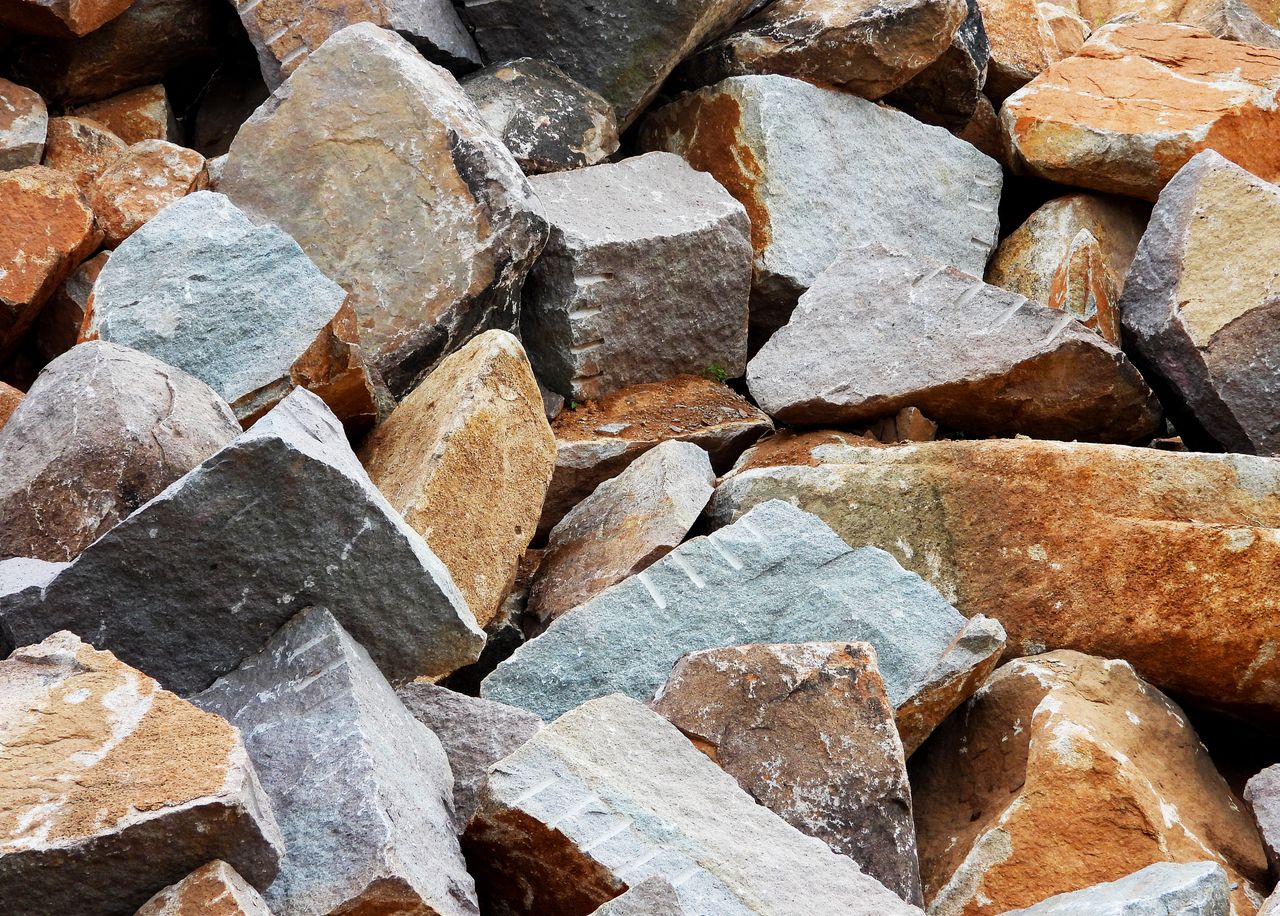
Kop stone refers to raw, unrefined stones gathered directly from natural sources such as quarries, riverbeds, or mountainous terrains. These stones are characterized by their coarse texture, irregular shapes, and varying sizes. Depending on the geological location, kop stones can be made up of various minerals, including granite, basalt, limestone, sandstone, or quartzite.
The mineral composition affects the stone’s hardness, durability, and suitability for different construction purposes. Unlike polished or cut stones, kop stones are generally in their natural form, which makes them affordable and accessible for primary construction needs.
Extraction and Processing
Kop stone extraction typically involves quarrying or surface mining methods. The process includes:
- Site Surveying: Identifying suitable locations with abundant stone deposits.
- Drilling and Blasting: Controlled blasting to loosen rock masses.
- Manual or Mechanical Collection: Gathering raw stones by hand or using heavy machinery.
- Sorting: Classifying stones based on size and quality for specific uses.
Minimal processing is done to preserve the raw state, although some cleaning and partial shaping may occur to facilitate transport and usage.
Uses of Kop Stone in Construction
Foundational and Structural Applications
Kop stone serves as a foundational material in many construction projects, especially in rural and infrastructural developments. Its robust physical properties make it ideal for:
- Foundations: Providing a stable base for buildings, bridges, and roads.
- Retaining Walls: Erosion control and soil retention in landscaping and civil engineering.
- Drainage Systems: Facilitating water flow in roadbeds and agricultural lands.
The natural durability and weight of kop stones help stabilize large-scale constructions, making them reliable for long-term structural integrity.
Aesthetic and Architectural Uses
Beyond its structural benefits, kop stone is also valued for its rustic aesthetic, lending an organic and authentic appearance to architectural projects. It is often used in:
- Facade Cladding: Enhancing the exterior of buildings with natural stone textures.
- Landscaping: Decorative garden walls, pathways, and water features.
- Interior Design: Accent walls and fireplaces in homes and commercial spaces.
While raw stones may require some finishing for aesthetic purposes, their natural variation in color and form adds unique visual appeal that is difficult to replicate with synthetic materials.
Road Construction and Aggregate
Kop stone is commonly crushed into smaller aggregates used in road construction, concrete production, and asphalt mixtures. The stone aggregates provide:
- Load-Bearing Capacity: Ensuring road durability under heavy traffic.
- Drainage: Preventing water accumulation and surface damage.
- Binding Material: Facilitating the binding of asphalt or cement for smooth surfaces.
The demand for kop stone aggregates is high in infrastructure projects worldwide due to their availability and cost-effectiveness.
Export Potential of Kop Stone
Global Market Demand
Kop stone is a significant commodity in the international trade of natural building materials. Countries with abundant stone reserves export raw stones to meet the demands of construction industries globally. Key factors driving export demand include:
- Growing urbanization and infrastructure development in emerging economies.
- Environmental preference for natural and sustainable building materials.
- Cost advantages over processed or synthetic alternatives.
Major importing countries include those in the Middle East, Asia, Europe, and North America, where the construction industry continually seeks durable and affordable building stones.
Grading and Quality Standards
For export purposes, kop stone must comply with quality and grading standards to ensure it meets end-user specifications. Factors considered include:
- Size uniformity for aggregate stones.
- Mineralogical purity and absence of defects.
- Physical properties such as compressive strength and porosity.
Exporters often provide documentation and testing certifications to comply with international trade requirements and reassure importers of product reliability.
Logistics and Packaging
Efficient logistics are critical to maintaining the quality and competitiveness of kop stone in export markets. Stones are typically packed in bulk on pallets or containers, ensuring minimal damage during transit. Shipping methods vary based on destination, with sea freight being the most common for large volumes.
Exporters must also navigate customs regulations, tariffs, and environmental policies affecting the shipment of natural stone products.
Advantages of Using Kop Stone
- Cost-Effectiveness: Raw stones are generally less expensive compared to processed stones, reducing overall construction costs.
- Durability: Natural stone exhibits excellent resistance to weathering and abrasion.
- Environmental Sustainability: As a natural material, kop stone has a lower carbon footprint relative to synthetic alternatives.
- Versatility: Applicable in both structural and decorative contexts.
Challenges and Considerations
Despite its benefits, there are challenges associated with kop stone use and export:
- Inconsistent Quality: Variability in raw stone properties can affect performance.
- Processing Needs: Some applications require additional shaping or finishing.
- Environmental Impact: Quarrying must be managed sustainably to minimize ecological damage.
- Transportation Costs: Heavy weight increases shipping expenses, affecting export competitiveness.
Conclusion
Kop stone, or raw stone, remains a cornerstone material in construction and export sectors globally. Its natural strength, affordability, and aesthetic appeal make it an enduring choice for builders and architects. Moreover, its growing demand in international markets underscores its economic significance.
For stakeholders in construction and trade, understanding kop stone’s properties, applications, and logistical considerations is vital for optimizing its use and capitalizing on market opportunities. With responsible extraction and adherence to quality standards, kop stone will continue to play a pivotal role in shaping infrastructures and landscapes worldwide.