Introducing the Most Popular Stone Colors in Dubai and Doha
Introduction
Dubai and Doha, two rapidly developing metropolitan hubs in the Middle East, are renowned for their stunning architecture and luxurious developments. A key element in the aesthetics and functionality of their buildings is the choice of stone colors. Selecting the right stone color is not just a design decision—it reflects cultural nuances, climatic considerations, and trends in luxury. This article provides an authoritative overview of the most popular stone colors in Dubai and Doha, elucidating why these choices dominate the architectural and interior design scenes.
The Significance of Stone Colors in Architecture
Stone has been a foundational material in construction for millennia. In modern cities like Dubai and Doha, stone’s selection extends beyond structural integrity to include visual appeal and sustainability. The color of stone plays a crucial role in:
- Climate Adaptation: Lighter stones reflect sunlight, reducing heat absorption—a critical factor in hot desert climates.
- Cultural Identity: Stone colors often mirror the natural landscape and heritage, creating a sense of place and identity.
- Luxury and Prestige: Certain hues convey opulence and exclusivity, aligning with the cities’ high-end developments.
Popular Stone Colors in Dubai
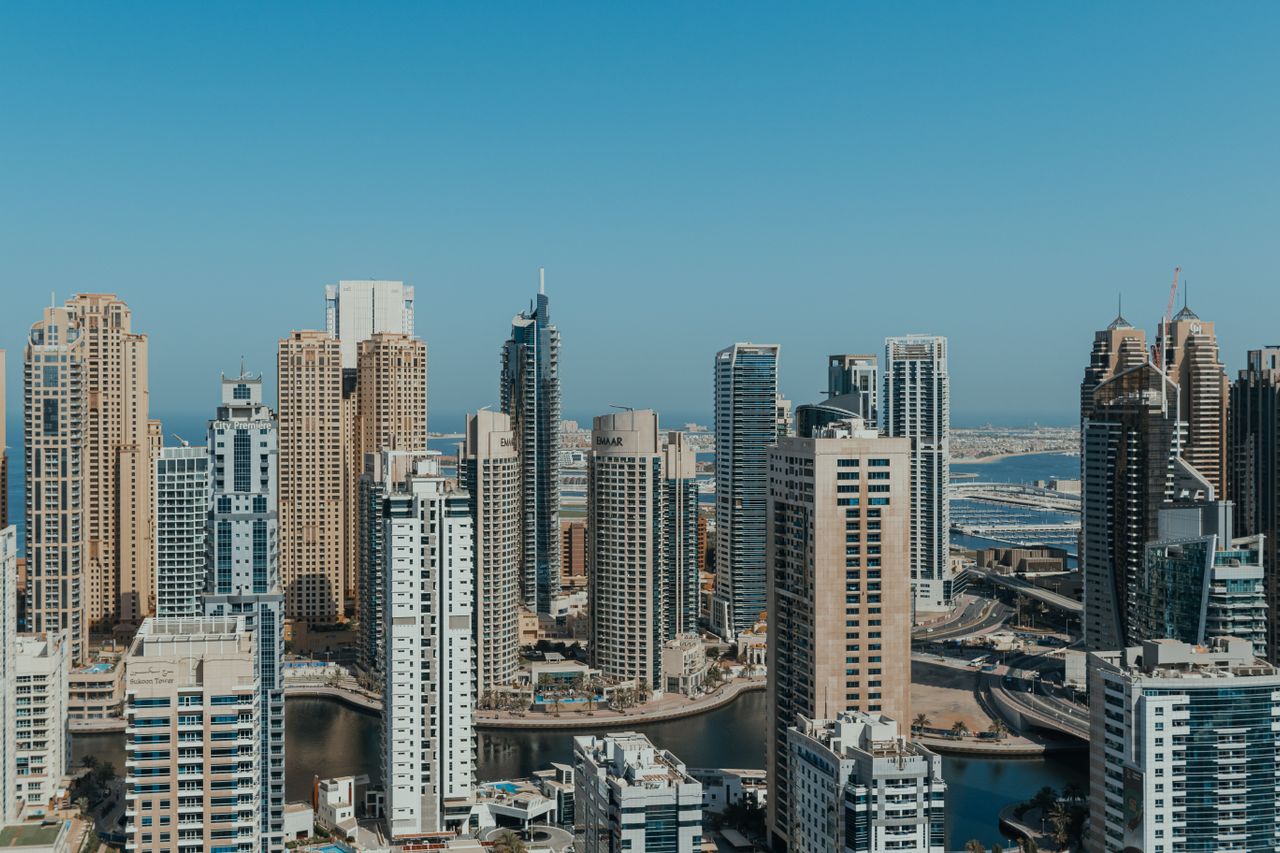
Dubai’s architectural landscape is a blend of ultramodern and traditional styles. The stone colors here are carefully chosen to enhance this juxtaposition.
1. Cream and Beige Tones
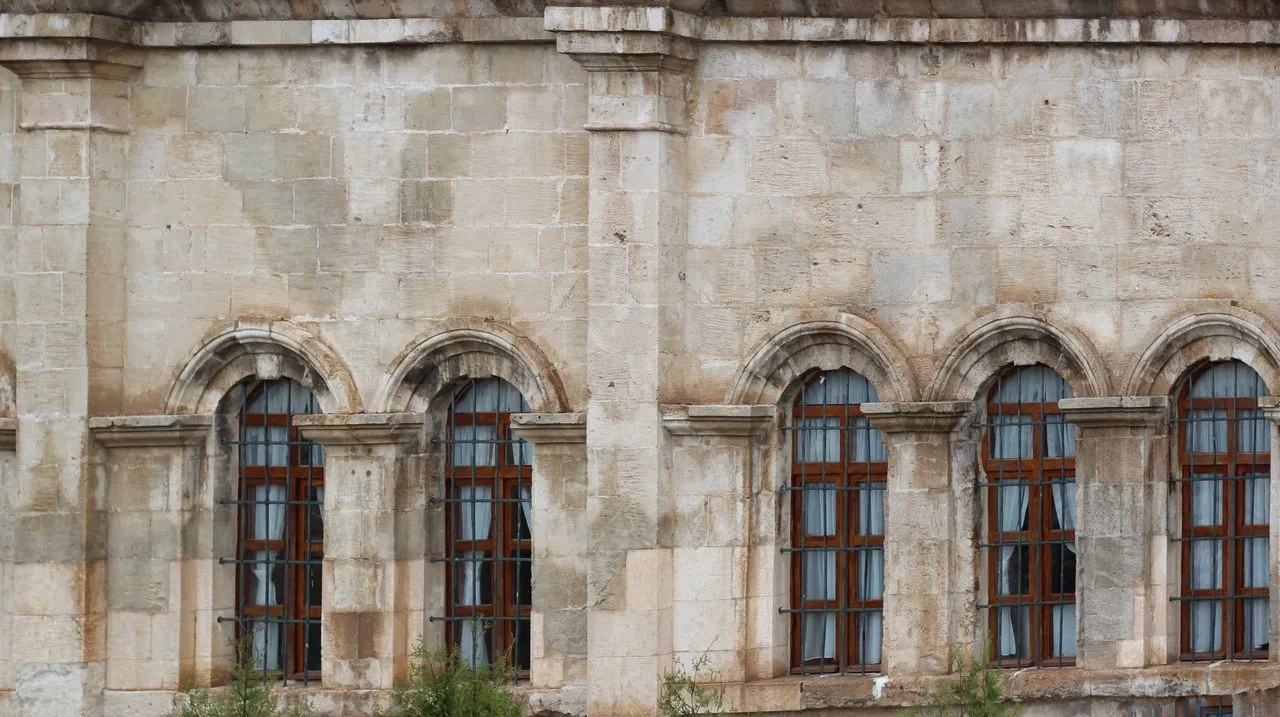
These shades dominate Dubai’s luxurious villas and high-rise façades. Cream and beige stones, such as limestone and sandstone, offer a warm, inviting appearance while complementing the desert surroundings. Their reflective qualities help in mitigating heat absorption, aligning with Dubai’s sustainability goals.
2. White Marble
White marble is synonymous with elegance in Dubai’s interiors and exteriors. Used extensively in hotels, malls, and private residences, this stone color exudes luxury and cleanliness. The high polish of white marble enhances natural light, making spaces appear grander and more open.
3. Golden and Honey Shades
Golden-hued stones resonate with the city’s opulent ethos. Stones like golden travertine and honey sandstone are preferred for their rich, warm tones that evoke a sense of grandeur without overwhelming the design.
Popular Stone Colors in Doha
Doha’s architectural style reflects a mix of traditional Qatari influences and contemporary design, making stone color selection pivotal to maintaining this balance.
1. Light Gray and Silver Hues
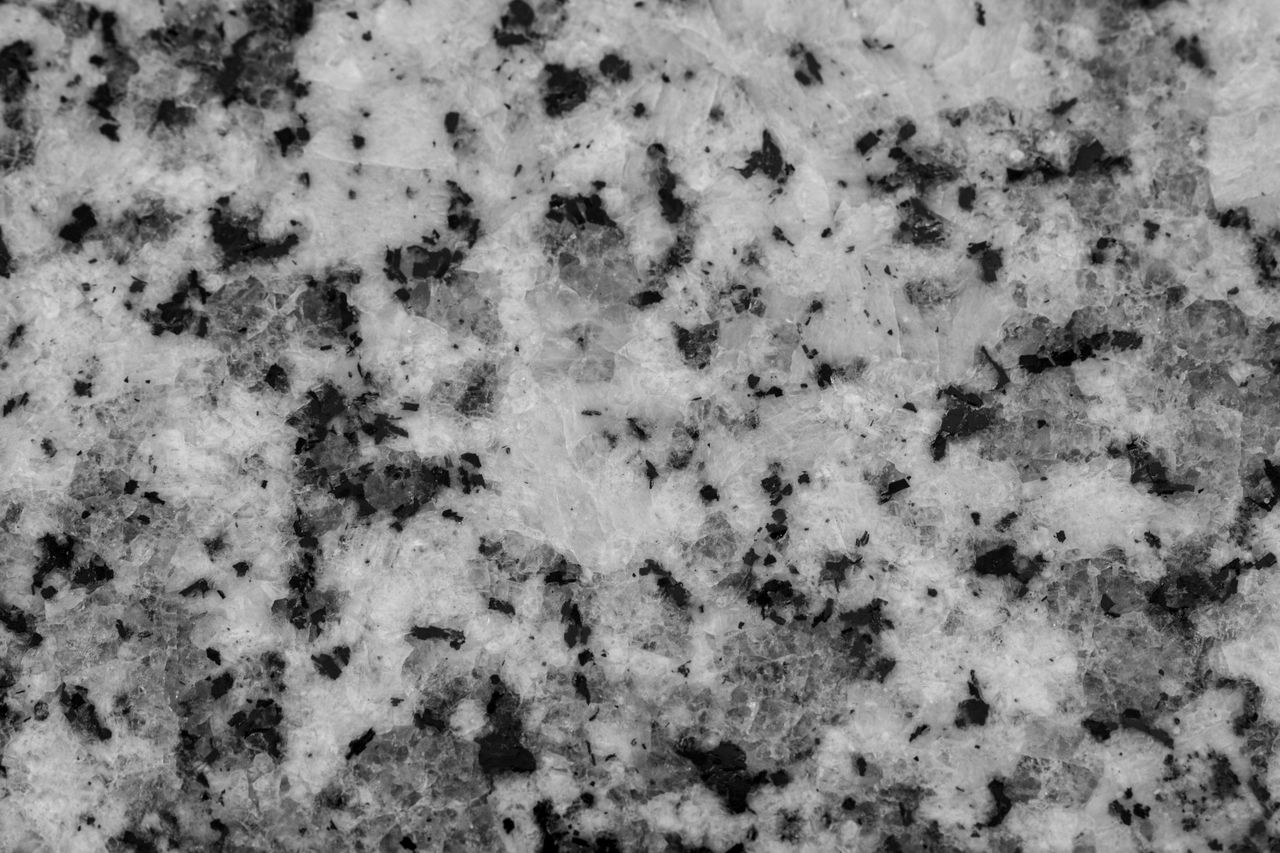
Gray stones, including granite and marble with silver undertones, have surged in popularity in Doha’s modern commercial and residential projects. These colors offer a sleek, understated elegance suitable for urban environments.
2. Earthy Browns and Rust Shades
Earth tones align with Qatar’s natural desert palette. Brown limestone and rust-colored sandstones create a grounded, authentic feel in architectural elements, preserving cultural identity.
3. Off-White and Ivory Colors
Similar to Dubai, off-white stones are favored in Doha for their versatility and timeless appeal. They complement both traditional and modern designs, balancing warmth and sophistication.
Factors Driving Stone Color Preferences
Several factors influence the selection of stone colors in Dubai and Doha:
Climate and Environmental Considerations
The intense heat and sunlight necessitate stones that reduce heat gain. Hence, lighter colors are often preferred for exteriors to improve thermal comfort and energy efficiency.
Architectural Trends and Innovations
The regions’ architects continuously experiment with new materials and color combinations, influenced by global trends and local tastes. Stone colors that harmonize with glass, steel, and wood are increasingly sought after.
Cultural and Heritage Influences
Both cities infuse their architectural choices with cultural significance. Stone colors that echo traditional materials and regional landscapes foster a meaningful connection to the past.
Applications of Popular Stone Colors
The chosen stone colors find diverse applications across the construction and design spectrum in Dubai and Doha:
Façades and Cladding
Stone façades in cream, beige, or gray provide durability and aesthetic appeal. They act as a protective skin that withstands harsh climatic conditions.
Flooring and Paving
Marble and limestone in lighter tones are common for flooring in residential and commercial spaces, combining elegance with practicality.
Interior Features
Stone colors such as white marble or ivory limestone are prominent in countertops, wall cladding, and decorative accents, lending interiors a luxurious ambience.
Conclusion
The selection of the most popular stone colors in Dubai and Doha is a sophisticated process that blends aesthetic aspirations with practical demands. Creams, beiges, and whites dominate in Dubai, reflecting its luxurious and sun-conscious architecture, while Doha favors a balance of light grays, earth tones, and off-whites that resonate with its unique cultural and climatic context. Understanding these preferences provides valuable insight for architects, designers, and developers aiming to create structures that are not only visually striking but also contextually relevant and sustainable.
As these cities continue to evolve, the dialogue between tradition and innovation will shape future stone color trends, perpetuating the legacy of architectural excellence in the Gulf.