Difference Between Building Stones for Interior and Exterior Spaces
1. The Importance of Choosing the Right Stone for Interior and Exterior Spaces
Choosing the right stone for interior and exterior spaces of a building is not only a matter of aesthetics but also ensures the durability and functionality of the structure. Stones are among the most popular construction materials due to their high resistance, ease of maintenance, and natural appearance. In interior spaces, stone can add a luxurious and warm touch to the environment while providing sufficient durability for daily use. For exterior spaces, stones must withstand environmental conditions such as direct sunlight, rain, and temperature fluctuations. Selecting the appropriate stone based on the type of space, purpose, and climatic conditions is key to achieving a beautiful and long-lasting facade.
2. Common Building Stones and Their Technical Characteristics
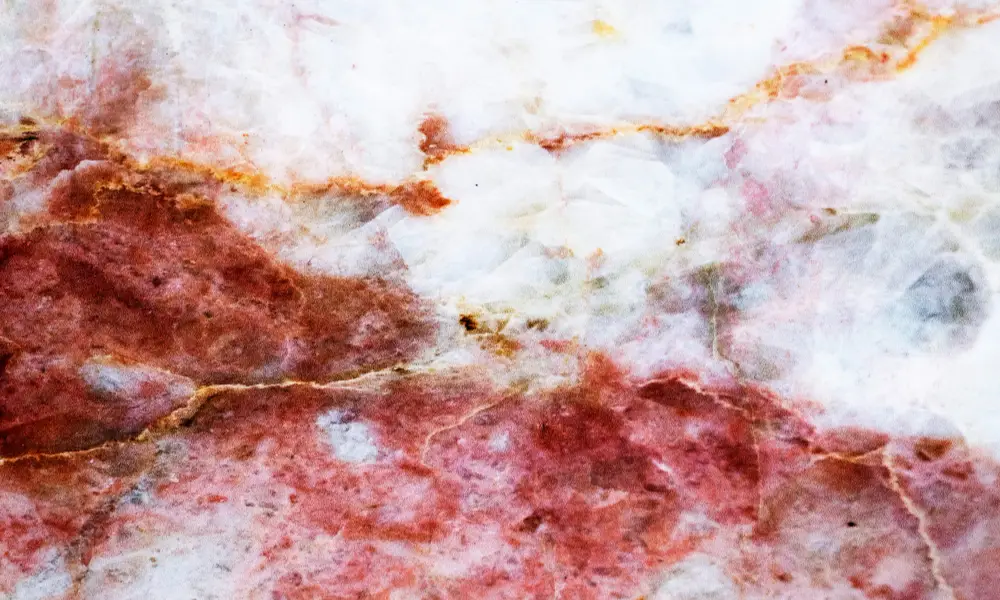
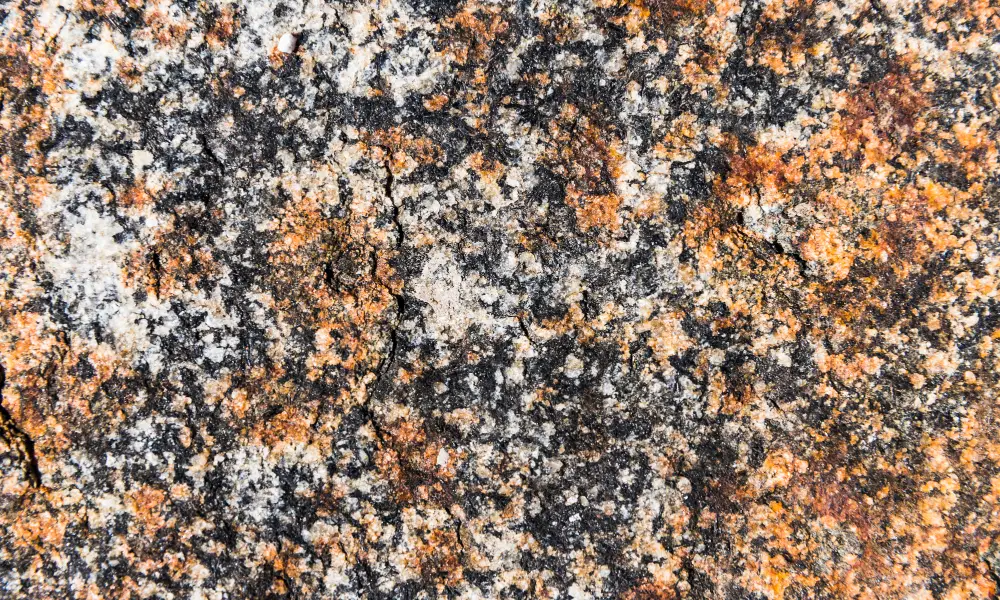
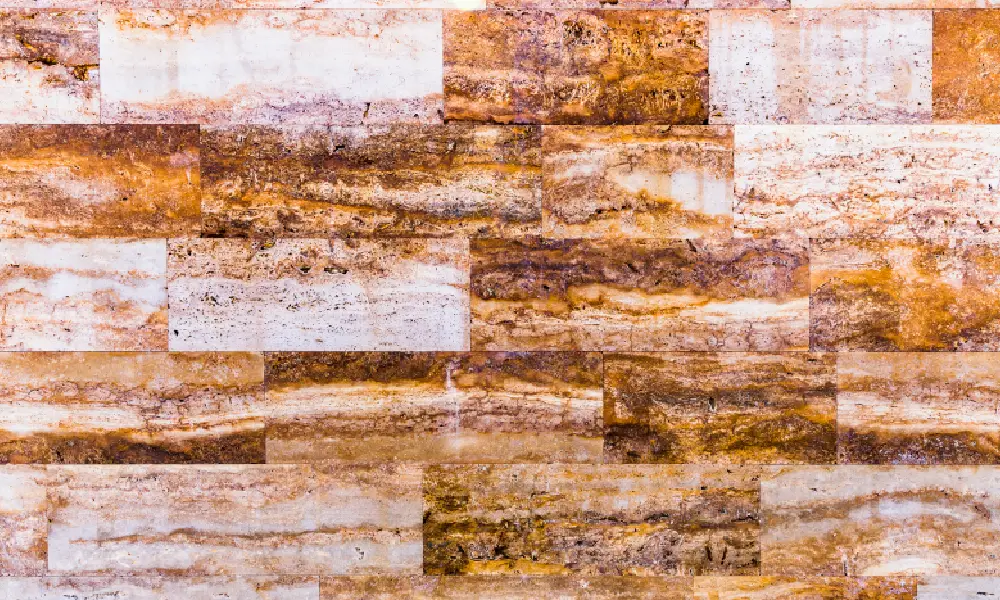
There are various types of building stones, each with its own characteristics and applications. Travertine, due to its porous texture and natural colors, is suitable for interior spaces and building facades, giving them a classic appearance. Granite, with its very high resistance to wear, heat, and environmental conditions, is an ideal choice for high-traffic floors and exterior facades. Marble and Marbleite, due to their high polishability and color variety, are mostly used in interior spaces and luxurious designs. Slabs and raw stone (cap) allow for unique and custom designs and offer great flexibility in modern projects. Each stone differs from the others in terms of water absorption, wear resistance, and durability, and understanding these characteristics helps in choosing the right stone for each environment.
3. Characteristics of Stones Suitable for Interior Spaces
Interior stones should provide, in addition to beauty, durability and ease of maintenance. The diverse colors and textures of marble, marbleite, and travertine can add a luxurious and cozy touch to floors, walls, kitchen countertops, and other decorative elements. High polishability and the ability to refine interior stones allow the creation of smooth and shiny surfaces that enhance the sense of modernity and cleanliness in the space. These stones should also be resistant to stains, moisture, and moderate heat to ensure daily use without damage. Choosing the right stone for interior spaces creates a balance between beauty, performance, and durability, providing an attractive and functional environment.
4. Characteristics of Stones Suitable for Exterior Spaces
Stones used in exterior building spaces must have high resistance to environmental conditions. These stones must withstand rain, direct sunlight, temperature fluctuations, freezing, and moisture. Granite and resistant travertine, due to their high durability and wear resistance, are ideal choices for facades, stairs, pathways, and public spaces. The texture and color of exterior stones are also very important; stones with low water absorption and high resistance to color changes and erosion ensure the longevity of the building’s facade. Choosing the right stone for exterior spaces not only enhances beauty but also prevents damage and reduces long-term maintenance costs.
5. Comparison Between Interior and Exterior Stones: Durability and Maintenance
Interior and exterior stones differ significantly in terms of durability and maintenance. Interior stones like marble and marbleite focus more on beauty and polishability and require regular maintenance to prevent stains and scratches but are generally not resistant to harsh environmental conditions. In contrast, exterior stones like granite and travertine are resistant to water, freezing, and temperature changes and are easier to maintain. Understanding these differences helps building owners and architects choose the right stone for each space, preserving aesthetics and reducing repair and maintenance costs. This comparison allows you to make an informed decision suited to the stone’s final application.
6. Color, Texture, and Final Appearance of Stone
Color and texture have a direct impact on the final appearance of a space. In interior spaces, stones with warm colors and soft textures provide a sense of comfort and luxury and can harmonize with the interior decor. For exterior facades, light colors and textures resistant to erosion and color changes are important to maintain the building’s beauty over time. By selecting the right color and texture, one can balance aesthetics and performance, ensuring floors, walls, or facades are durable while offering an appealing look. Considering the harmony between the stone and other construction materials is key to achieving a cohesive and professional design.
7. Benefits of Using Slabs and Raw Stone (Cap) in Projects
Using slabs and raw stone (cap) allows for unique and customized designs. Due to their large dimensions and uniformity, slabs are excellent for floors, walls, and both interior and exterior countertops, creating a modern and cohesive appearance. Raw stone offers high flexibility in cutting and shaping and can be used in special projects and creative designs. These stones allow designers and architects to add unique details and patterns, creating distinctive spaces. For precise consultation and selecting the best type of slab or raw stone suitable for your project, you can contact Sadeghi Stone experts via WhatsApp to receive specialized guidance.
8. Decorative Stones and Accessories: Combining Beauty and Functionality
Decorative stones and accessories, besides their decorative purpose, can also enhance the functionality of a space. These products include candlesticks, stone lamps, candle holders, frames, and other decorative elements, helping to harmonize interior design with the architectural style of the building. Using these accessories alongside floor and wall stones enhances the sense of cohesion and luxury. Choosing the right color, texture, and dimensions of these accessories can significantly impact the final attractiveness of the space, creating a beautiful, modern, and comfortable environment.
9. Important Tips for Choosing Stone According to Different Climatic Conditions
The climatic conditions of a region are a crucial factor in selecting the right stone for interior and exterior spaces. In hot and dry countries like the UAE and Oman, stones with low water absorption and high resistance to direct sunlight are essential. In cold and humid regions like Russia, stones must withstand freezing and high moisture to prevent cracking and erosion. In Gulf countries and Turkey, choosing stone with adequate wear resistance and long-lasting color stability is necessary. Sadeghi Stone offers high-quality stones resistant to different climatic conditions, helping you select the best stone for your interior and exterior projects. For specialized consultation and guidance on choosing the right stone, you can contact our experts via WhatsApp.
10. Conclusion and Final Recommendation
Choosing the right stone for interior and exterior spaces is a combination of aesthetics, durability, and performance. Interior stones should provide a luxurious appearance and ease of maintenance, while exterior stones must withstand environmental conditions and climate variations. Understanding the differences and properties of each stone type helps you make an informed decision suited to your project’s needs. To achieve the best results and receive expert advice on selecting the right stone, Sadeghi Stone experts are available to respond to your inquiries, and you can contact them via WhatsApp for precise guidance and project-specific product recommendations.