Introduction to Types of Marble and Their Applications
Introduction to Marble: History and Characteristics
Marble is one of the oldest and most beautiful natural stones in the world, formed through the metamorphism of limestone. This stone features a smooth texture, polished surface, and beautiful veins, giving spaces a luxurious and classic appearance. Its suitable durability, precise cutting capability, and wide color variety make marble a preferred choice for flooring, walls, and both interior and exterior facades. Choosing high-quality marble properly allows for a combination of beauty and strength that lasts for years and maintains the value of construction projects.
Types of Marble by Color and Pattern
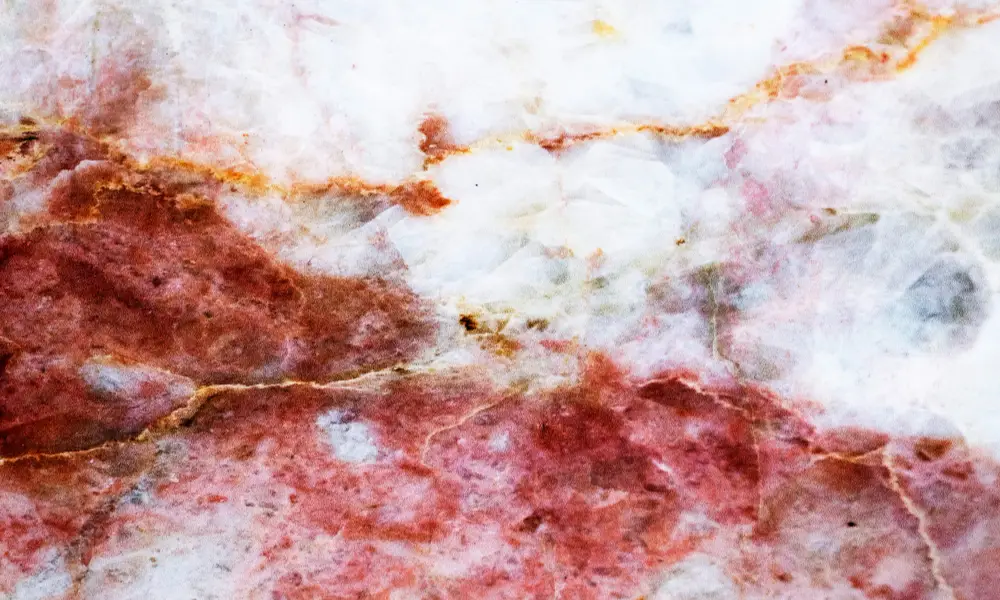
Marble comes in a wide range of colors, from pure white and cream to green, pink, and black. Each color has its unique natural veins and patterns, creating a different feel in the space. White marble with gray veins is the most popular option for modern and minimalist areas, while green and pink marble adds a luxurious and distinctive touch. Selecting the right color and pattern according to the décor style, lighting, and functionality ensures marble is not only beautiful but also harmonious with the environment, giving projects a unique and elegant appearance.
Crystalline and Metamorphic Marble
Crystalline marble, due to its dense structure and high transparency, results in a glossy and luxurious surface. On the other hand, metamorphic marble offers higher durability, making it an ideal choice for high-traffic areas and exterior facades. The differences between these types lie in transparency, resistance, and precise cutting capability. Choosing the suitable marble type based on usage location and environmental conditions ensures a combination of beauty and durability, preserving the natural appearance for years and reducing maintenance needs.
Applications of Marble in Interior Building Design
Due to its natural beauty and high polish capability, marble is an ideal choice for interior design. From floors and walls to bathrooms, kitchens, and staircases, marble provides a luxurious and classic touch. Light colors in small spaces create a sense of spaciousness, while darker tones add depth and elegance. Using marble in interior design not only enhances visual appeal but also ensures durability and resistance to scratches and moisture, creating a high-quality, attractive environment.
Applications of Marble in Exterior Building Design
Marble provides a combination of beauty and strength in exterior building applications. Its use in columns, entrances, exterior walls, and open spaces gives buildings an elegant and enduring appearance. Marble’s resistance to temperature changes, moisture, and direct sunlight makes it a reliable choice for long-term projects. Thoughtful design and selecting the right color not only enhance the facade’s beauty but also increase the building’s value, providing a sustainable investment along with visual appeal.
Marble in Decorative Artifacts and Accessories
In addition to use in flooring and facades, marble adds a unique touch to decorative artifacts and accessories. Tables, sinks, fireplaces, and other accessories made from marble create a sense of luxury and distinction in the space. Precisely designed and uniquely cut pieces allow the creation of artistic elements that are both functional and beautiful. Choosing high-quality marble not only improves the final appearance but also ensures durability and strength. Using marble in accessories gives interiors a distinctive charm, harmonized with the architectural style.
Marble Care and Maintenance Tips
Proper care is essential to maintain marble’s beauty and durability. Regular cleaning with mild products, preventing acidic spills, and protecting against scratches increase the stone’s lifespan. Using special waxes and sealers helps preserve shine and prevent stain absorption. Correct installation and choosing high-quality marble significantly reduce maintenance needs. Following these simple tips ensures marble retains its natural appearance for years and provides a consistently luxurious and visually appealing environment.
Choosing the Right Marble for Export Projects
Selecting marble for export requires attention to color, quality, thickness, and polish level. Target countries such as the UAE, Russia, Oman, Qatar, and Turkey have high standards for stone durability and aesthetics. Professional packaging and proper preparation guarantee that the stone arrives at its destination without damage. Through expert consultation and access to reliable collections, high-quality export-grade marble can be selected to meet the needs of luxury and long-term projects, offering a satisfying and exceptional buying and usage experience.
Trends in Using Marble in Architecture and Decoration
In modern and classical design, marble with light colors and natural veins is highly popular. Using white marble with gray veins for floors and walls creates a minimalist and contemporary feel, while green and pink marble adds luxury and uniqueness. Designers and architects often combine marble with materials like wood and metal to create a striking visual effect. To explore diverse examples and receive professional guidance on choosing the best marble types, you can contact Sadeghi Stone via WhatsApp to execute your project with professional quality.
Why Sadeghi Stone Is the Best Choice for Purchasing Marble
Sadeghi Stone offers a wide range of high-quality export-grade marble with specialized consultation, making it a reliable choice for local and international projects. Variety in colors and patterns, high-quality cutting, and professional packaging ensure long-lasting durability and beauty. The expert sales team is ready to answer questions and provide guidance for selecting the best marble. For consultation, price inquiries, and easy ordering, you can contact the team directly via WhatsApp and experience an exceptional marble purchasing journey.