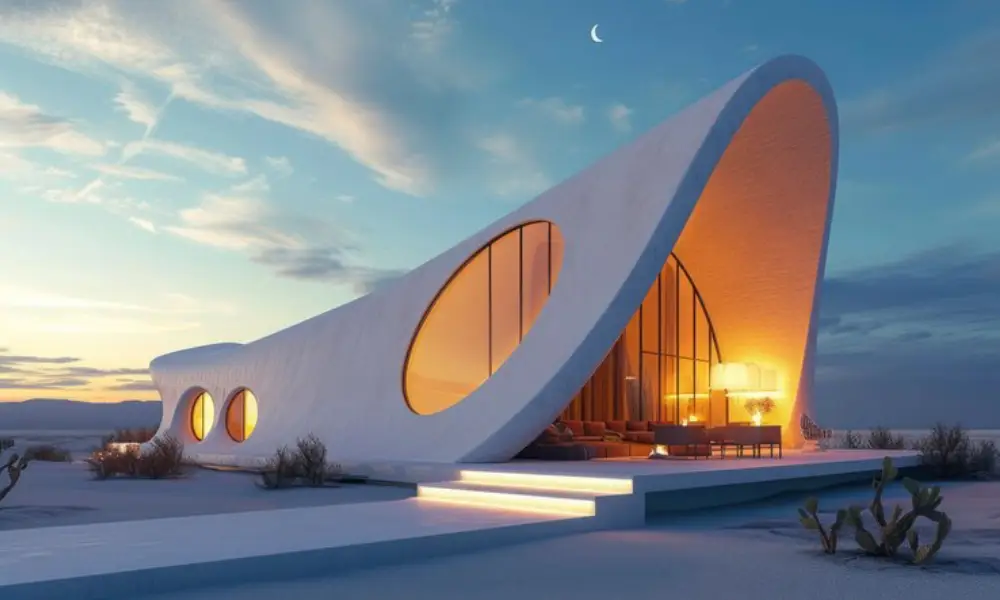
The Future of Architecture in Oman
1. Oman on the Path of Modern Architectural Transformation
In recent years, Oman has been experiencing a profound transformation in architecture and urban planning. This country, which has always remained committed to cultural authenticity, traditional architecture, and its local identity, is now taking a forward-looking approach by integrating tradition and modernity. While the Gulf countries rapidly move toward ultra-modern architecture and glass skyscrapers, Oman has chosen a distinct and intelligent path—a path based on respect for the past and a deep understanding of the environment, progressing toward a sustainable and coherent future.
Oman’s architectural vision is more than just a display of grandeur and technology; it reflects a philosophy of living in harmony with nature and culture. National development programs, especially within the framework of “Vision 2040,” play a key role in shaping this path. The main goal of this vision is to create smart, sustainable, and human-centered cities that, while utilizing modern technologies, preserve the spirit and identity of Oman.
In recent years, we have witnessed the emergence of landmark architectural projects in cities such as Muscat, Salalah, and Sur, which showcase a beautiful fusion of contemporary design and traditional elements. This approach has given Oman a special position among regional countries—a nation that does not merely imitate Western architecture but creates a unique visual language and identity.
The future of Omani architecture is moving toward a combination of creativity, sustainability, and human-centered design. From government and cultural buildings to residential and tourism projects, all are designed to create spaces where life, nature, and technology coexist in harmonious balance. This path will make Oman one of the most attractive destinations for future architecture in the Middle East—a place where past and future meet in innovative and sustainable designs.
2. A Look at Oman’s Architectural Heritage and the Influence of Local Culture
Omani architecture has roots in a history and culture that stretches back thousands of years. With its unique geographic location on the maritime and cultural trade routes between East and West, the country has always been a crossroads of civilizations. Therefore, Omani architecture is a beautiful combination of local, Islamic, and international influences, yet the authenticity and Omani identity are evident in every detail of the buildings.
In historic cities such as Nizwa, Sur, and Muscat, traditional Omani architecture reflects life in harmony with nature and the region’s hot and dry climate. The use of natural materials such as stone, clay, palm wood, and plaster ensured that the buildings were not only durable but also fully compatible with their surroundings. Narrow alleys, thick walls, wooden lattice windows, and central courtyards not only created visual beauty but also provided intelligent responses to the climatic and social needs of the Omani people.
A notable feature of traditional Omani architecture is the attention to privacy and family life. Homes were designed to provide internal spaces that were calm, cool, and visually protected, while the exterior facades were simple and resilient to harsh weather conditions. Additionally, wind towers and natural ventilation systems demonstrate the deep understanding Omanis had of the climate and the use of natural energy.
Historical forts and towers are also an important part of the country’s architectural identity. These structures, built over time to defend the land and control trade routes, were not only militarily significant but also symbolized power, order, and local engineering prowess.
Omani local culture has always inspired the country’s architectural style. From geometric and Islamic patterns to earthy colors and organic forms, all reflect a deep connection between the people and the land. Today, many Omani and international architects, when designing new projects in the country, pay special attention to this rich heritage and strive to build a beautiful bridge between the past and the future.
In summary, Oman’s architectural heritage is not only a valuable cultural legacy but also a source of inspiration for its future path toward modern and sustainable architecture—a path founded on authenticity, identity, and respect for nature.

3. Global Trends and Their Impact on Contemporary Omani Architecture
In recent decades, world architecture has been influenced by a wave of fundamental changes—from environmental sustainability and smart technologies to human-centered design and the reinvention of urban spaces. Oman, as a developing country with a forward-looking vision, has not been unaffected by these global transformations and has intelligently aligned them with its local, cultural, and climatic conditions.
One of the most prominent global trends in contemporary architecture is the emphasis on sustainability and environmental protection. In Oman, with its hot and dry climate, the concept of sustainable architecture is especially significant. The use of energy-saving technologies, local materials, and natural ventilation systems in new projects clearly demonstrates the country’s alignment with global green design principles. The new buildings are designed not only for beauty and grandeur but also to minimize negative environmental impact.
Digitalization and the introduction of new technologies have also had a notable impact on Oman’s architectural process. The use of Building Information Modeling (BIM), parametric design, and virtual reality during design and construction stages allows architects to create more precise, efficient, and innovative projects. These technologies have enabled Oman to compete in large-scale regional projects with countries like the UAE and Qatar without losing its local identity.
Furthermore, human-centered architecture and sustainable urban design are becoming fundamental principles in Omani urban development. New cities and redevelopment projects in Muscat, Salalah, and Sohar are designed to prioritize residents’ well-being, social interaction, and quality of life. This approach, aligned with the global trend of “human-centered design,” is guiding Oman toward more balanced and user-oriented cities.
The trend of preserving cultural identity within contemporary architecture is another global movement that Oman has successfully adopted. Unlike some regional countries that excessively imitate Western styles, Oman has managed to balance modern architecture with its historical authenticity. In the design of many new buildings, forms, colors, and traditional patterns are drawn upon to display both past and future in a single frame.
Finally, the growth of tourism and experience-based economies has also significantly influenced Oman’s architectural trends. Tourism and recreational projects in coastal and mountainous areas are inspired by local nature and culture to provide visitors with a unique experience of “Omani life.”
Thus, contemporary Omani architecture is a combination of global thinking and local spirit—a successful model of adapting to international trends without losing its roots. This intelligent coordination has made Oman one of the key players in the future of regional architecture.
4. The Role of the Government and Urban Development Programs in Shaping the Future of Architecture
In Oman, the government plays a central role in guiding the trajectory of architectural and urban development. Unlike many countries where architecture is merely considered a part of the construction industry, in Oman, architecture is viewed as a tool for realizing the national vision and enhancing the quality of life for its people. Precise policymaking, long-term planning, and large-scale development projects are all carried out to shape a new face of the country’s architecture—architecture that is simultaneously sustainable, culturally rooted, and forward-looking.
At the heart of this path is Oman’s National Vision 2040, a comprehensive program aiming to balance economic development, environmental preservation, and the country’s cultural identity. This strategic document, particularly in the “Urban Development and Infrastructure” sector, emphasizes the creation of smart, sustainable, and human-centered cities. By enacting new building regulations, overseeing urban designs, and investing in infrastructure projects, the government directly influences contemporary architectural directions in the country.
The Ministry of Housing and Urban Planning also implements urban renewal and development projects in cities such as Muscat, Salalah, Nizwa, and Sur, striving to introduce a new model of modern urbanism—one that preserves cultural heritage while meeting the needs of a growing population and expanding tourism. The design of streets, public spaces, and new residential projects focuses on sustainability and aesthetics to ensure that Oman’s urban landscape reflects a balanced combination of authenticity and modernity.
A key pillar of government policy is support for sustainable and energy-efficient architecture. By setting new standards for energy efficiency, promoting the use of local materials, and implementing climate-responsive projects, the government seeks to reduce the environmental impact of construction. Incentives are also provided for investment in new technologies such as solar energy and smart building systems.
Additionally, the development of tourism and cultural areas is a major priority for the Omani government. Projects such as Port Sultan Qaboos, the Duqm Special Economic Zone, and the development of Muscat’s coastline are examples of significant public investments that not only strengthen tourism infrastructure but also create new opportunities for architectural innovation. In these projects, the government collaborates with international consultants and local architects to elevate Omani architecture to a global level.
In summary, the role of the Omani government in the country’s architectural future is active, strategic, and visionary. Through precise planning, smart policymaking, and a commitment to sustainability, the government is shaping a new architectural identity for Oman—one that reflects not only the country’s economic and social growth but also its cultural heritage and authenticity.

5. Sustainable Architecture and Attention to Oman’s Unique Climate
Oman’s hot and arid climate, characterized by long summers, high temperatures, and low rainfall, presents both challenges and unique opportunities for architectural design. In such conditions, sustainability is no longer a choice but a fundamental necessity in shaping the country’s architectural future. Sustainable architecture in Oman means finding a balance between new technologies, energy efficiency, the use of natural resources, and the preservation of local identity—a path that the country is effectively pursuing.
In recent years, the government and Omani architects, with a deep understanding of climatic conditions, have moved toward Climate-Responsive Design. This approach is based on understanding environmental factors such as sun orientation, wind direction, humidity, and air temperature to minimize reliance on mechanical cooling systems. The use of shading devices, wind towers, double-skin façades, and natural ventilation are techniques that have been revived in new projects and integrated with modern technologies.
Local materials play a vital role in sustainable Omani architecture. Stone, clay, and traditional plaster, widely used in the past, have been redefined today through industrial methods and modern standards. These materials are not only well-adapted to the regional climate but also consume less energy in production and maintenance. The smart use of light colors also helps reflect sunlight and reduce indoor temperatures.
Meanwhile, renewable energy technologies, particularly solar power, are rapidly being integrated into Omani construction projects. Given the high solar radiation in the country, the installation of rooftop solar panels and energy storage systems has become part of new sustainable design standards.
Water resource management also holds a special place in Omani sustainable architecture. Rainwater harvesting systems, greywater recycling, and low-maintenance green landscapes all contribute to more efficient use of water resources. Many new urban projects incorporate native plant species to reduce irrigation needs while maintaining visual appeal.
Another remarkable feature of sustainable architecture in Oman is attention to culture and society. Sustainability is not limited to energy consumption but also includes social and cultural aspects. Buildings must be not only environmentally efficient but also compatible with the lifestyles and values of the Omani people. Therefore, the design of public, residential, and religious spaces draws inspiration from traditions and daily life to foster a sense of belonging and identity among residents.
Overall, sustainable architecture in Oman has become a unique model of coexistence between nature, culture, and technology. By leveraging its specific climate, the country has established its own path to sustainability—rather than imitating Western models—a path that can serve as an inspiring example for other regional countries with similar climatic conditions.
6. Local and Modern Materials in Future Architectural Projects
One of the prominent features of Oman’s future architecture is the intelligent approach to materials—a combination of traditional local materials and the efficiency of modern materials, which not only ensure beauty and structural strength but also contribute to environmental sustainability and the preservation of cultural identity. While many regional countries have lost their local identity in the modernization process, Oman, with a deep understanding of the past and a forward-looking vision, is creating an architectural language in which materials narrate the link between tradition and innovation.
Local materials in Oman are rooted in the country’s history and climate. Natural stone, clay, palm wood, and traditional plaster have been used for centuries in homes, forts, and mosques. Limestone and sandstone quarried locally are not only readily available but also highly resistant to heat and humidity, making them ideal for Oman’s hot and dry climate. These materials, with earthy, cream, and beige natural tones, create a strong visual harmony with the country’s mountainous and desert landscapes.
In contemporary architecture, these materials have been creatively redefined. Omani architects employ modern technologies such as precise stone cutting, laser finishing, and the combination of natural materials with glass and metal to create a new expression of traditional materials. Instead of removing local elements, they are incorporated into modern and minimalist forms, keeping the spirit of authenticity alive in new designs.
Alongside traditional materials, modern and smart materials also play a special role in future projects. The use of lightweight, heat-resistant concrete, integrated solar panels on façades, smart glass with light and heat control, and recycled steel are among the materials employed in new designs. These materials not only offer superior technical performance but also align with international sustainability and energy efficiency standards.
In large urban and tourism projects, combining local materials with modern construction technologies creates a balance between beauty, durability, and functionality. For example, in the design of some new hotels and cultural centers in Oman, local natural stones are used alongside lightweight steel structures to convey a sense of local identity while providing modern amenities and comfort expected by visitors.
Another noteworthy trend is the emphasis on environmentally friendly materials—those that are recyclable, consume little energy during production, and have long lifespans. Emerging technologies such as 3D-printed construction materials and bio-concrete are gradually entering Oman’s construction market, paving the way for a greener architectural future.
Ultimately, the future of Omani architecture is shaped around materials that go beyond construction utility to convey cultural and environmental messages. The combination of local stone and advanced technologies not only modernizes Oman’s urban landscape but also preserves the connection between people, land, and culture within architectural spaces—a practice that positions Oman on the path toward sustainable, authentic, and globally relevant architecture.

7. Emerging Technologies in the Design and Construction of Omani Buildings
Architectural transformation in Oman is not limited to visual aesthetics or inspiration from tradition; rather, technology has rapidly become one of the main pillars in designing and constructing new buildings. With a forward-looking vision, Oman is leveraging digital tools, modern construction methods, and intelligent systems to develop architecture that aligns with global standards and the needs of the 21st century. This blend of technology and culture presents a fresh and modern face of Omani architecture.
One of the most significant advancements in this field is the use of Building Information Modeling (BIM). This technology allows architects and engineers to examine and coordinate every detail of a project in a three-dimensional digital model before construction begins. The result is reduced errors, cost and time savings, and increased accuracy in project execution. Many large-scale projects in Oman—from residential complexes to commercial centers and coastal hotels—are designed and managed using BIM.
Parametric design is also gradually gaining traction among Omani architects. This method, based on algorithms and environmental data, enables designers to create dynamic forms adapted to the climate. For instance, a building’s façade can be designed to regulate light and heat penetration according to the sun’s angle. Such intelligent design not only offers striking aesthetics but also significantly improves the building’s energy efficiency.
In construction, new material technologies and industrialized methods are transforming Oman’s building industry. The use of lightweight and precast concrete, stainless steel resistant to coastal humidity, and sustainable composite materials has made project execution faster and more precise. Moreover, the advent of 3D printing in architecture has opened new horizons for constructing complex components with reduced costs and waste. In the coming years, 3D printing is expected to be widely
used for small residential structures, urban furniture, and local decorative elements.
Smart building systems and infrastructure also form a core part of Oman’s
architectural future. Automated systems controlling lighting, ventilation, security, and energy consumption are now implemented in many new projects. These technologies not only enhance residents’ comfort but also minimize energy use and align with national sustainability goals.
In the design sector, Virtual Reality (VR) and Augmented Reality (AR) provide powerful tools for architects and investors. Through 3D simulations, clients can experience the interior and exterior spaces before actual construction begins. These technologies increase decision-making accuracy and reduce costly changes during the final stages of projects.
Furthermore, data analytics and artificial intelligence are increasingly entering urban planning and environmental design processes in Oman. Data on weather, wind flow, traffic, and user behavior are used to optimize the design of buildings and public spaces. This data-driven approach is steering Oman toward smart, efficient, and contemporary cities.
Overall, emerging technologies have added new dimensions to Omani architecture. What distinguishes this path is the integration of technology with cultural authenticity—using advanced tools to create spaces that are both intelligent and efficient while rooted in Omani tradition and identity. This coexistence of past and future positions Oman as a leading example of contemporary architecture in the Arab world.
8. Smart Architecture and the Future Cities of Oman
Smart architecture is a concept where technology, data, and environmental design are employed to create efficient, sustainable, and human-centered spaces. In Oman, this concept is taking shape, with the government and architects working alongside international counterparts to create cities and buildings that address the economic, social, and environmental needs of the 21st century. Future Omani cities will symbolize the coexistence of advanced technology and cultural authenticity.
A key element of smart architecture is energy and resource management systems. New buildings are equipped with automated systems controlling lighting, ventilation, heating, and cooling, which use sensors and AI algorithms to minimize energy consumption. These systems not only reduce operational costs but also help lower environmental impacts.
Future smart cities in Oman are designed based on data and digital technologies. Analyses of traffic flow, user behavior, weather conditions, and energy consumption patterns allow architects and urban planners to optimize spaces and infrastructure. This ensures that streets, green spaces, public transportation, and buildings function harmoniously, maximizing residents’ quality of life.
In urban architecture, human-centered and socially oriented design is fundamental. Future Omani cities are planned to provide accessible, safe, and attractive spaces for people. Walkways, parks, squares, and recreational areas are carefully organized to enhance social interaction, physical activity, and a sense of belonging.
Another defining feature of smart architecture in Oman is the integration of advanced technologies with traditional architecture. Building façades may be inspired by traditional elements, while incorporating natural cooling systems, solar panels, smart glass, and energy-efficient materials. This approach preserves the country’s cultural identity while benefiting from modern technology.
Regarding transportation and infrastructure, future Omani cities are being developed with a focus on sustainable and intelligent mobility. Electronic public transport systems, bike lanes, pedestrian paths, electric vehicle charging stations, and smart traffic management all contribute to reducing pollution and enhancing urban quality of life.
Environmental sustainability is also a core component of smart architecture in Oman. Cities are designed to optimize water and energy use, increase internal and external green spaces, and preserve local biodiversity. Integrated water management and renewable energy use are applied across cities to create green and climate-adapted urban environments.
Ultimately, smart architecture and future cities in Oman present an urban vision where technology and human needs operate in harmony, urban life is efficient, sustainable, and enjoyable, and the country’s cultural and historical identity remains vibrant within architectural and public spaces. This trajectory positions Oman as a leading example in the region, with an architectural future that combines innovation, identity, and intelligence.
9. The Role of Tourism in Shaping Future Architectural Styles
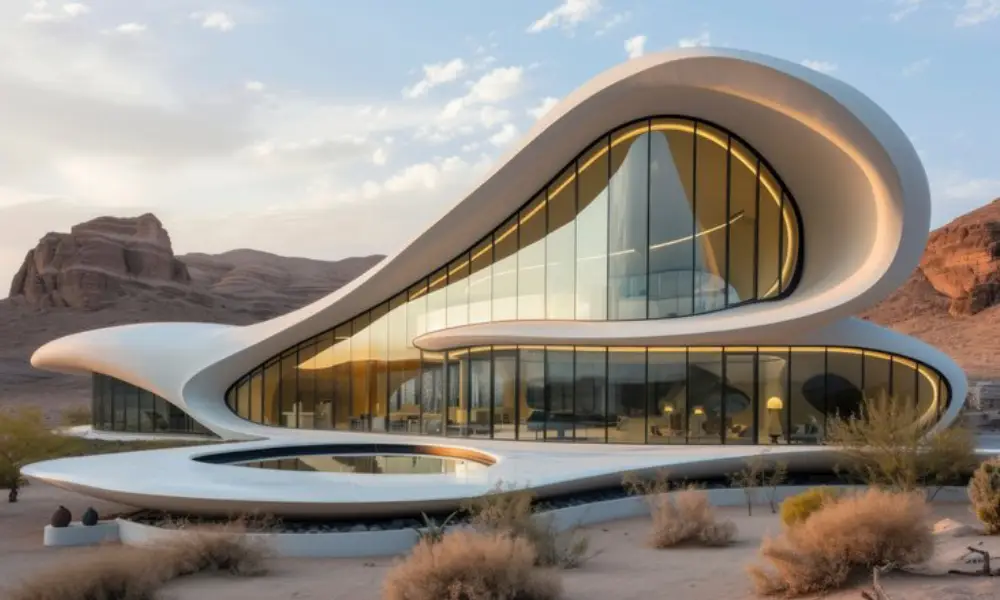
Tourism, as a major economic and cultural driver, plays a decisive role in shaping Oman’s future architectural styles. With the increasing influx of domestic and international tourists, there is a growing need for attractive, comfortable, and unique spaces, providing architects and urban planners with the opportunity to showcase their creativity in the design of buildings and public spaces.
One of the primary impacts of tourism is the focus on visitor experience and multisensory environmental design. Hotels, cultural centers, markets, and recreational areas in Oman are designed to provide a distinct experience of local life. The use of traditional Omani architectural elements, colors, and local materials, combined with modern technologies and smart design, creates spaces that are both visually appealing and functionally comfortable for visitors.
The development of coastal and mountainous tourism areas has also influenced new architectural styles. Tourism projects in Salalah, Sur, and Oman’s remote islands require designs that coexist with the natural environment. Consequently, sustainable architecture, the use of local materials, and climate-responsive design have become integral to tourism projects. This ensures that Oman’s future architectural styles are not only modern but also responsive to nature and local culture.
Urban branding and iconic architecture are another direct outcome of tourism development. Buildings and urban spaces symbolizing Oman’s identity and cultural attractions are designed to leave a lasting impression on visitors. Such projects ensure that contemporary architecture in the country combines creativity, innovation, and cultural authenticity.
Additionally, tourism strengthens the integration of smart and technology-driven infrastructure in architecture. Modern public spaces and tourism projects in Oman employ intelligent energy, ventilation, lighting, and security management systems to provide a flawless visitor experience. These technologies enhance functionality while supporting the development of modern and appealing architectural styles.
Tourism’s influence on cultural and educational architecture is also evident. Museums, cultural centers, and exhibition spaces in Oman are designed to introduce local history, art, and culture. These buildings attract visitors while motivating architects to create styles that convey Omani identity and provide a unique cultural experience.
Overall, tourism acts as a catalyst for architectural innovation in Oman. The need to attract visitors, provide a unique experience, and align with natural and cultural contexts has shaped future architectural styles that are sustainable, creative, and identity-oriented. This trend distinguishes Oman as a unique destination in the region, where architecture directly reflects the interaction between culture, nature, and the tourism economy.
10. Development of Public and Urban Spaces in New Architectural Approaches
In contemporary Omani architecture, public and urban spaces have gained special importance as the heart of city life and as catalysts for social interaction. Modern architectural approaches in Oman go beyond mere building design, focusing on the creation of urban environments that are functional, aesthetically pleasing, and culturally meaningful. The main objective of these approaches is to enhance the urban living experience, strengthen a sense of place, and align with population growth and economic changes.
A fundamental principle in designing public spaces is human-centeredness and easy accessibility. Parks, squares, pedestrian pathways, and cycling routes are designed to be inclusive for all age groups and physical abilities. Such designs not only facilitate social interaction, cultural activities, and recreation but also significantly improve citizens’ quality of life and sense of well-being.
Integration with cultural and historical identity is another hallmark of new approaches in Oman. Traditional architectural elements, local motifs, fountains, and urban sculptures are incorporated into public spaces to create unique experiences influenced by local culture. This blend of culture and modernity ensures that public spaces are not only places for leisure but also inspiring environments that evoke historical heritage.
To achieve sustainability and climate adaptability, many public spaces incorporate native plant species, natural shading, and ventilation systems that optimize airflow. These strategies reduce water and energy consumption while creating comfortable environments even during Oman’s hot summers. The use of natural and local materials in open urban areas ensures durability and long-term functionality alongside visual appeal.
Another key component is the integration of technology and smart urban solutions. Intelligent lighting systems, traffic monitoring, digital information boards, and urban apps enhance the user experience in public spaces and improve urban management efficiency. Smart technologies also enable data collection and analysis of user behavior, which helps optimize the performance of spaces and increase residents’ satisfaction.
Multipurpose and flexible spaces are another approach evident in modern Omani architecture. These spaces can host cultural and artistic events, sports and recreational activities, and daily social interactions. Such flexibility fosters dynamic urban life and allows cities to respond to the diverse needs of their populations.
Ultimately, the development of public and urban spaces in Oman’s new architectural approaches represents a synthesis of sustainability, human-centeredness, cultural identity, and smart technology. These spaces not only enhance residents’ quality of life but also present a modern, attractive, and cohesive image of Omani cities to tourists and global investors, laying a solid foundation for a sustainable and innovative urban architectural future.

11. Impact of Large Infrastructure Projects on the Future Architecture of Oman
Large-scale infrastructure projects in Oman, particularly in transportation, energy, ports, and tourism, play a pivotal role in shaping the country’s future architecture and urban planning. These projects not only contribute to economic development and social well-being but also transform architectural styles, introduce advanced technologies, and elevate the quality of urban spaces. Essentially, infrastructure serves as the backbone of urban development, paving the way for modern and sustainable architecture.
One of the primary effects of these projects is the transformation of cityscapes and the creation of a modern identity. The development of road networks, bridges, tunnels, and railway lines facilitates the emergence of new neighborhoods and urban centers, influencing the design of buildings and public spaces. New structures, utilizing modern materials and innovative forms, harmonize with infrastructure and present a cohesive, forward-looking urban image.
Port and maritime transport projects have also had a profound impact on architecture and urban development. Advanced ports such as Sohar and Duqm not only strengthen the regional economy but also create service, administrative, and recreational spaces with modern and creative designs. These projects exemplify the integration of functionality, aesthetics, and technology in Omani architecture, demonstrating how infrastructure can drive innovation in design.
In the energy sector, sustainable resource management projects influence architecture as well. Solar power plants, smart water and wastewater networks, and energy management systems have led to the design of buildings and urban spaces with energy efficiency and reduced environmental impact in mind. Infrastructure thus enhances urban performance while embedding sustainability and efficiency criteria into architectural design.
Tourism and cultural infrastructure further shape Oman’s future architectural styles. Hotels, recreational centers, coastal resorts, and tourism complexes require creative, flexible, and environmentally integrated designs. Architecture in these projects combines modern forms, innovative technologies, and local cultural elements, offering visitors a unique experience.
Additionally, the development of technology and communication infrastructure, such as high-speed internet networks and data centers, enables the implementation of smart cities and data-driven architecture. Such infrastructure allows architects and urban planners to design efficient, sustainable, and responsive spaces based on precise data analysis.
In summary, large infrastructure projects not only transform Oman’s economy and social welfare but also reshape the country’s architectural and urban identity. These projects create modern, sustainable, and inspiring buildings and spaces that harmonize with the environment, technology, and local culture, positioning Oman as a regional leader in architectural innovation.
12. Reflecting Cultural Identity and Historical Heritage in Modern Designs
A defining feature of modern Omani architecture is the integration of cultural identity and historical heritage with contemporary design. Omani and international architects recognize the importance of the country’s culture and history, striving to ensure that modern projects are not only functional and beautiful but also convey Oman’s story and identity. This approach bridges the past and the future, providing residents and visitors with unique experiences.
In modern designs, traditional patterns, forms, and materials are creatively reinterpreted. Islamic geometric motifs, wind towers, arches, and central courtyards—seen in traditional Omani architecture—now appear in modern façades, flexible interior spaces, and multifunctional structures. This cultural reflection preserves historical identity while adding visual and symbolic depth to projects.
Local materials and colors play a key role in expressing cultural heritage. Stone, plaster, date palm wood, and earthy beige tones rooted in traditional architecture are used in modern buildings to evoke a sense of belonging and connection with nature. Incorporating these materials into large urban projects, hotels, and cultural centers ensures that contemporary architecture aligns with the natural and cultural environment.
In public spaces, creating cultural and educational experiences is a central approach. Squares, parks, museums, and cultural centers are designed to convey Oman’s history, traditions, and arts. These spaces are not only venues for recreation and social interaction but also tools for educating new generations and tourists about the country’s rich culture.
Iconic and landmark architecture also reflects Omani cultural identity. Signature buildings inspired by local history and culture leave lasting impressions on visitors and serve as symbols of progress while honoring historical heritage. This approach positions Oman as a model for integrating culture and modernity at regional and international levels.
Furthermore, sustainable and climate-responsive approaches in modern designs are combined with cultural heritage. Buildings and urban spaces are designed to minimize energy consumption and harmonize with Oman’s hot and dry climate while traditional forms and patterns continue to convey historical and cultural identity.
In conclusion, reflecting cultural identity and historical heritage in modern Omani designs creates a synthesis of authenticity, innovation, and sustainability. This approach ensures aesthetic appeal and functionality in buildings and urban spaces while preserving the link between past and future, tradition and modernity, and culture and technology in the living fabric of architecture.
13. The Future of Residential and Commercial Architecture in Oman
Residential and commercial architecture in Oman, as key branches of urban development, is undergoing significant transformation and innovation. Emerging trends in these sectors focus not only on aesthetics and functionality but also on sustainability, technology, user comfort, and the reflection of local culture. The future of Omani architecture envisions smart, human-centered cities in harmony with the country’s natural and cultural environment.
In residential architecture, special attention is given to the quality of life, social well-being, and flexible space design. Modern Omani homes employ climate-responsive patterns, including natural ventilation, sunshades, double-skin facades, and local materials, which reduce energy consumption while ensuring residents’ comfort. Interior spaces are designed to meet the evolving needs of families, support remote work, and accommodate daily recreational activities. This human-centered approach optimizes living experiences and strengthens a sense of belonging and cultural identity among residents.
In commercial architecture, the focus is on spatial flexibility, operational efficiency, and customer satisfaction. Office buildings, shopping centers, and recreational spaces incorporate advanced technologies such as Building Information Modeling (BIM), smart glass, and energy management systems. These solutions ensure both aesthetic appeal and operational efficiency. Integrating cultural and local design elements in façades and interiors creates unique experiences for visitors and customers while giving local brands a distinct identity.
A major trend shaping the future of residential and commercial architecture in Oman is the integration of smart technologies and the Internet of Things (IoT). Homes and commercial buildings are equipped with automated systems for lighting, ventilation, security, and energy management, optimized through artificial intelligence. These technologies enhance user comfort, reduce environmental impact, and improve the sustainability of projects.
Sustainability and climate-responsive design are also evident in future Omani buildings. Use of local materials, natural color palettes, rainwater harvesting systems, and renewable energy sources like solar power ensure that structures are environmentally compatible and reduce operational costs.
Ultimately, the future of residential and commercial architecture in Oman represents a fusion of innovation, culture, and sustainability. Projects address functional and economic needs while providing human-centered and inspiring experiences. By preserving cultural heritage and employing modern technologies, Omani architecture positions itself as a forward-looking, innovative destination in the region.
14. The Role of International Architects in Shaping Oman’s Future Projects
International architects play a pivotal and influential role in the transformation of Oman’s architectural landscape. Their global experience facilitates the transfer of advanced technical knowledge, innovative ideas, and international standards to Omani projects. This collaboration not only enhances project quality and efficiency but also creates a modern architectural vision aligned with global trends.
One key contribution is the exchange of design knowledge and innovations. International architects bring expertise in modern design methods, advanced construction technologies, and sustainability standards. Their experience includes the use of modern materials, climate-responsive design, BIM, and parametric design, enabling the creation of efficient, beautiful, and sustainable spaces.
Collaboration with local architects strengthens this approach. The interaction between local knowledge and international expertise results in projects that both reflect Oman’s cultural identity and adhere to global standards. This dual approach allows for unique, creative, and high-quality architectural outcomes.
International architects also influence the design of iconic and landmark projects. Luxury hotels, cultural centers, towers, and mixed-use complexes benefit from their input, resulting in modern, visually striking architecture that reinforces city identity and aesthetics. These projects exemplify the integration of modernity and cultural heritage, elevating Oman’s global architectural profile.
In the field of sustainability and smart architecture, international architects have introduced advanced technologies and global standards to Oman. From energy management systems and smart buildings to eco-friendly materials and renewable energy, these projects enhance living and working experiences while reducing environmental impacts.
Additionally, international architects contribute to urban planning and infrastructure design. Data analysis, 3D simulations, and smart urban design facilitate the creation of sustainable, flexible, and climate-responsive environments, paving the way for Oman’s future smart cities.
In conclusion, the role of international architects in Oman’s future architecture is a combination of knowledge transfer, innovation, and synergy with local culture. Their involvement leads to high-quality, sustainable, and creative projects that meet the country’s economic and social needs while establishing Oman as a regional leader in modern architectural development.
15. Challenges and Opportunities Facing Oman’s Architecture Industry
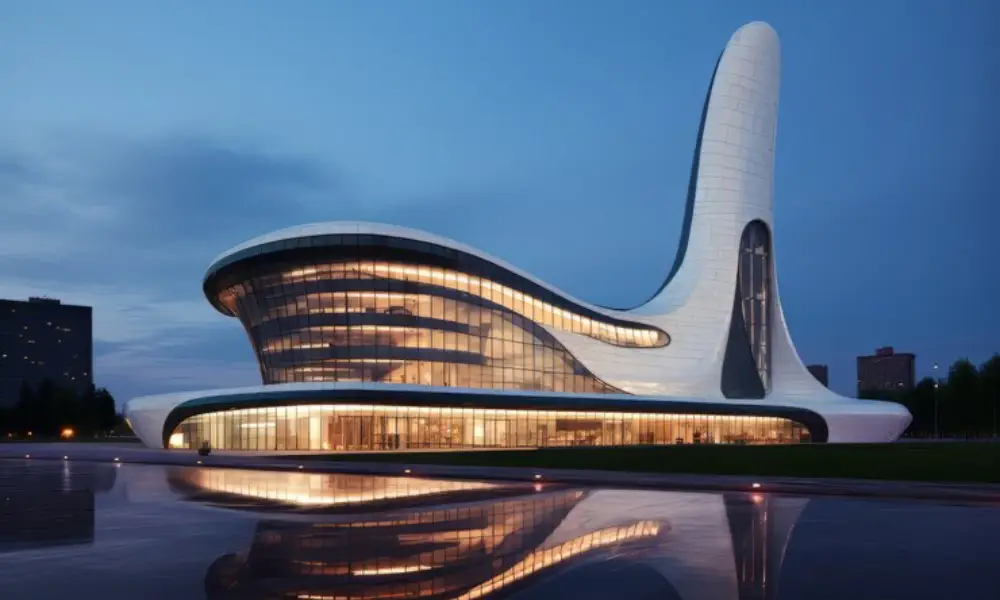
Oman’s architecture industry is undergoing a period of transformation and innovation. While numerous opportunities lie ahead, the sector also faces a set of challenges. Understanding these challenges and opportunities is crucial for architects, urban planners, and investors to foster smart, sustainable, and creative development in the country’s architectural future.
Challenges:
1. Harsh Climate and Environmental Conditions: Oman experiences long, hot summers and low rainfall. Designing buildings and urban spaces in such conditions requires climate-responsive strategies, durable materials, and energy-saving technologies. Ignoring these factors can compromise building performance and occupant comfort.
2. Balancing Innovation and Cultural Identity: A key challenge is harmonizing modern architectural styles with the preservation of cultural heritage. Contemporary architecture must embrace innovation and technology without neglecting Oman’s traditional values.
3. Shortage of Skilled Workforce and Advanced Training: The rise of complex, technology-driven projects increases the demand for architects, engineers, and specialists with modern skills. Limited access to trained professionals can slow development.
4. High Costs of Advanced Materials and Technologies: Using cutting-edge materials, smart systems, and sustainable technologies can be costly, necessitating careful financial planning and governmental or private investment support.
5. Legal and Urban Planning Challenges: Rapid urban development and the need for modern infrastructure sometimes face legal restrictions and lengthy approval processes, potentially delaying project execution.
Opportunities:
1. Tourism Potential and Landmark Projects: Growth in domestic and international tourism offers opportunities for iconic, innovative, and attractive architectural projects. Hotels, cultural centers, and recreational spaces can become benchmarks of modern and sustainable architecture.
2. Government Support and Urban Development Programs: Oman’s policies and investment in urban development and infrastructure create ample opportunities for architects and construction firms, enabling ambitious and innovative projects.
3. Integration of Technology and Sustainable Design: Emerging technologies such as BIM, 3D printing, smart glass, renewable energy, and intelligent architecture enable the creation of sustainable and efficient buildings and cities while mitigating climatic challenges.
4. Collaboration with International Architects and Knowledge Exchange: International partnerships facilitate the transfer of global standards, innovative ideas, and expertise to Oman, enhancing the quality of future architecture and urban planning.
5. Focus on Cultural Identity and Heritage: Emphasizing local values, materials, and design patterns allows for the creation of unique, inspiring projects that gain recognition and appreciation internationally.
Overall, Oman’s architecture industry stands at a crossroads where challenges and opportunities will shape its future trajectory. By leveraging innovation, technology, sustainability, and cultural identity, Oman has the potential to become a regional model, presenting a balanced, modern, and sustainable vision for its architectural landscape.

16. Omani Architecture Between Authenticity, Innovation, and Sustainability
Today, Omani architecture sits at the intersection of cultural authenticity, modern innovation, and environmental sustainability. By combining historical heritage, local culture, and advanced technologies, Oman is creating spaces that are not only visually appealing and functional but also harmonized with the natural environment. Future buildings and cities will reflect the interaction between tradition and modernity, humanity and nature, and culture and technology.
Cultural Authenticity: Local materials, traditional forms, geometric patterns, and climate-responsive designs preserve Oman’s architectural heritage. These elements ensure that buildings and urban spaces convey stories and identity, establishing a deep connection between past and present.
Innovation: Advanced technologies allow architects to design modern, smart, and efficient buildings and cities. Energy management systems, smart glass, parametric design, BIM, and artificial intelligence enhance performance and improve the quality of life and work for residents and visitors.
Environmental Sustainability: Climate-adaptive designs, renewable energy use, eco-friendly materials, and green space development ensure that architecture aligns with global environmental goals. These strategies reduce resource consumption and enhance resilience against climate change.
The combination of authenticity, innovation, and sustainability makes Omani architecture balanced, modern, and inspiring. The country is poised to create smart, sustainable, and culturally vibrant urban environments that attract residents and gain regional and international recognition. Oman’s architectural future is therefore a fusion of history, modernity, and environmental stewardship—a model for harmonious and forward-looking design.