Why Iranian Travertine Is Becoming a Popular Choice in Gulf Countries
Introduction
Travertine has long been valued as a natural stone for architectural and design applications. Among the many sources worldwide, Iranian travertine has recently gained significant traction in Gulf countries. Its unique characteristics combined with strategic economic factors have made it an increasingly popular choice for numerous construction and interior design projects throughout this region.
Understanding Travertine: A Brief Overview
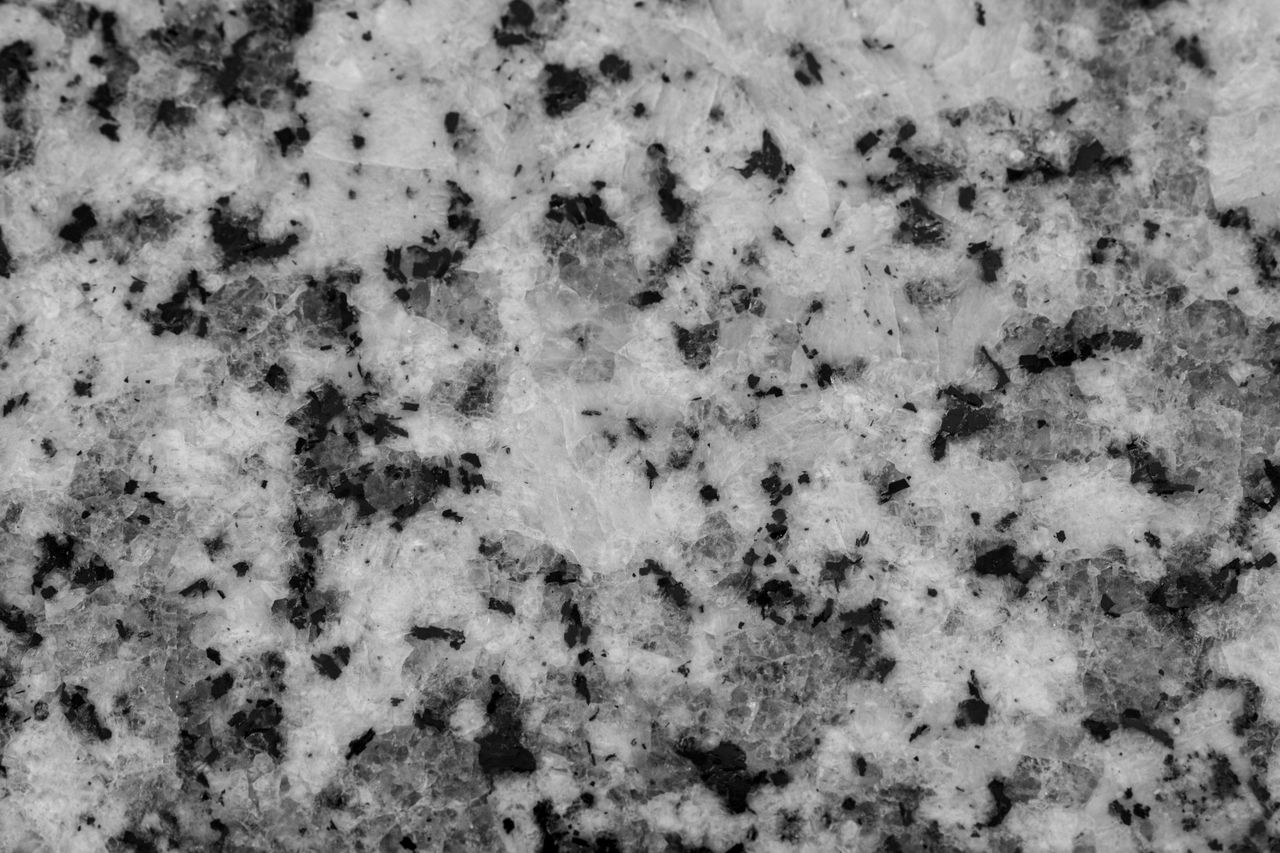
Travertine is a form of sedimentary limestone deposited by mineral springs, especially hot springs. Known for its porous surface and distinctive texture, it has been widely used in buildings and monuments for centuries. The stone’s natural beauty, ranging from creamy whites to rich earth tones, lends itself well to both classical and contemporary designs.
Physical and Aesthetic Characteristics
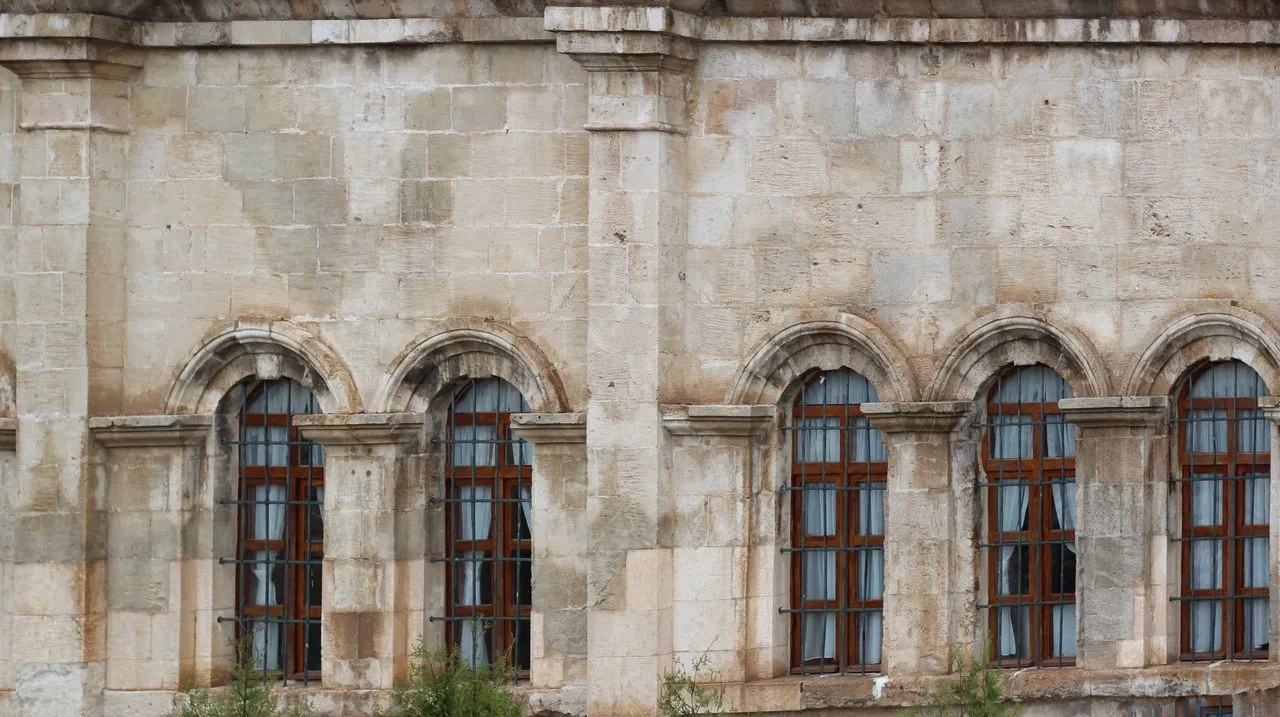
Iranian travertine is praised for its durability, fine texture, and color uniformity. These qualities make it suitable for various applications, including flooring, wall cladding, facades, and landscaping. The stone’s ability to resist weathering while maintaining aesthetic appeal is particularly advantageous in the Gulf’s harsh climate.
Why Gulf Countries Are Turning to Iranian Travertine
Superior Quality and Unique Varieties
One of the primary reasons for the rising popularity of Iranian travertine in Gulf countries is the stone’s superior quality. Iran boasts several travertine quarries producing diverse varieties such as Cream, Beige, and Silver travertine, each with distinct veining and coloration. This range allows designers and architects to select the perfect stone to meet the aesthetic demands of luxury projects prevalent in Gulf countries.
Economic Advantages
Compared to travertine sourced from other countries like Turkey or Italy, Iranian travertine offers competitive pricing without compromising on quality. Lower transportation costs due to geographic proximity and favorable trade relations with Gulf Cooperation Council (GCC) states also contribute to its cost-effectiveness. For developers and contractors, this translates into significant budget savings.
Availability and Supply Chain Efficiency
The extensive reserves of travertine in Iran ensure a steady and reliable supply to meet the escalating demand in Gulf countries. Well-established extraction and processing facilities in Iran facilitate the timely delivery of high-quality stone products. Efficient logistic networks connecting Iran to ports in the Gulf further streamline the supply chain.
Adaptability to Climatic Conditions
Gulf countries experience extreme temperatures, intense sunlight, and salty sea air, which can be harsh on building materials. Iranian travertine’s inherent resilience to thermal expansion and UV radiation makes it well-suited for external applications in these environments. Its breathability and natural cooling properties also contribute positively to building comfort.
Cultural and Design Trends Driving Demand
Luxury and Modern Architecture
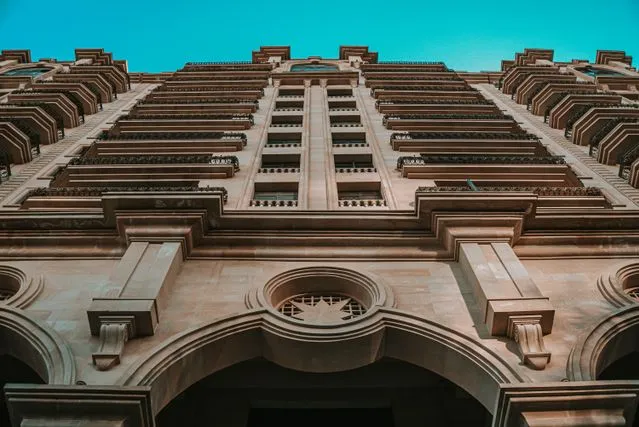
The Gulf region is synonymous with luxury and cutting-edge architectural endeavors. Iranian travertine fits seamlessly into this narrative by offering a natural stone option that enhances the elegance and sophistication of residential and commercial projects. Its warm hues and varied textures complement a broad spectrum of design styles—from minimalist to ornate.
Sustainability Considerations
Environmental consciousness is becoming a key consideration in construction across Gulf countries. Travertine, being a natural and durable material, aligns with sustainability goals by reducing the need for frequent replacements and minimizing environmental impact compared to synthetic alternatives. Iranian travertine’s local sourcing within the Middle East further reduces carbon footprint associated with transportation.
Challenges and Future Outlook
Challenges in Quality Control and Standardization
Despite its many advantages, Iranian travertine sometimes faces challenges related to consistent quality control and adherence to international standards. However, ongoing investments in quarry technology and processing methods are addressing these issues to better meet the stringent requirements of Gulf construction markets.
Expanding Market Reach and Brand Recognition
Efforts to promote Iranian travertine through exhibitions, trade shows, and partnerships with Gulf-based distributors are enhancing its market presence. As awareness grows, more architects and designers are considering it as a primary material choice, which is expected to fuel further demand.
Conclusion
Iranian travertine’s rise as a favored stone in Gulf countries is driven by a combination of its exceptional qualities, economic advantages, and compatibility with regional architecture and climate. As Gulf markets continue to expand their construction activities with an emphasis on quality and sustainability, Iranian travertine is well-positioned to maintain and grow its prominence in the region. Stakeholders including suppliers, designers, and developers stand to benefit from leveraging this natural resource to create enduring and visually striking projects.