Everything You Need to Know About Exporting Natural Stone from Iran
Introduction to Exporting Natural Stone from Iran
Iran is globally recognized for its rich deposits of high-quality natural stone, ranging from marble and travertine to onyx and granite. The country’s geological diversity and centuries-old craftsmanship make it a prime source for natural stone products in international markets. This article provides an authoritative exploration of everything you need to know about exporting natural stone from Iran, including market trends, regulatory frameworks, logistical considerations, and strategic insights for exporters and importers alike.
The Natural Stone Industry in Iran: An Overview
Geological Wealth and Varieties
Iran boasts one of the richest reserves of natural stones in the world. Its vast mountain ranges are home to a variety of stones that are highly prized for architectural and decorative uses. Prominent varieties include:
- Marble: Known for its purity and diverse coloring, Iranian marble from regions like Isfahan and Yazd is popular worldwide.
- Travertine: Extracted primarily in the central provinces, Iranian travertine is noted for its durability and aesthetic appeal.
- Onyx: Often used in luxury interior design, Iranian onyx is valued for its translucency and unique patterns.
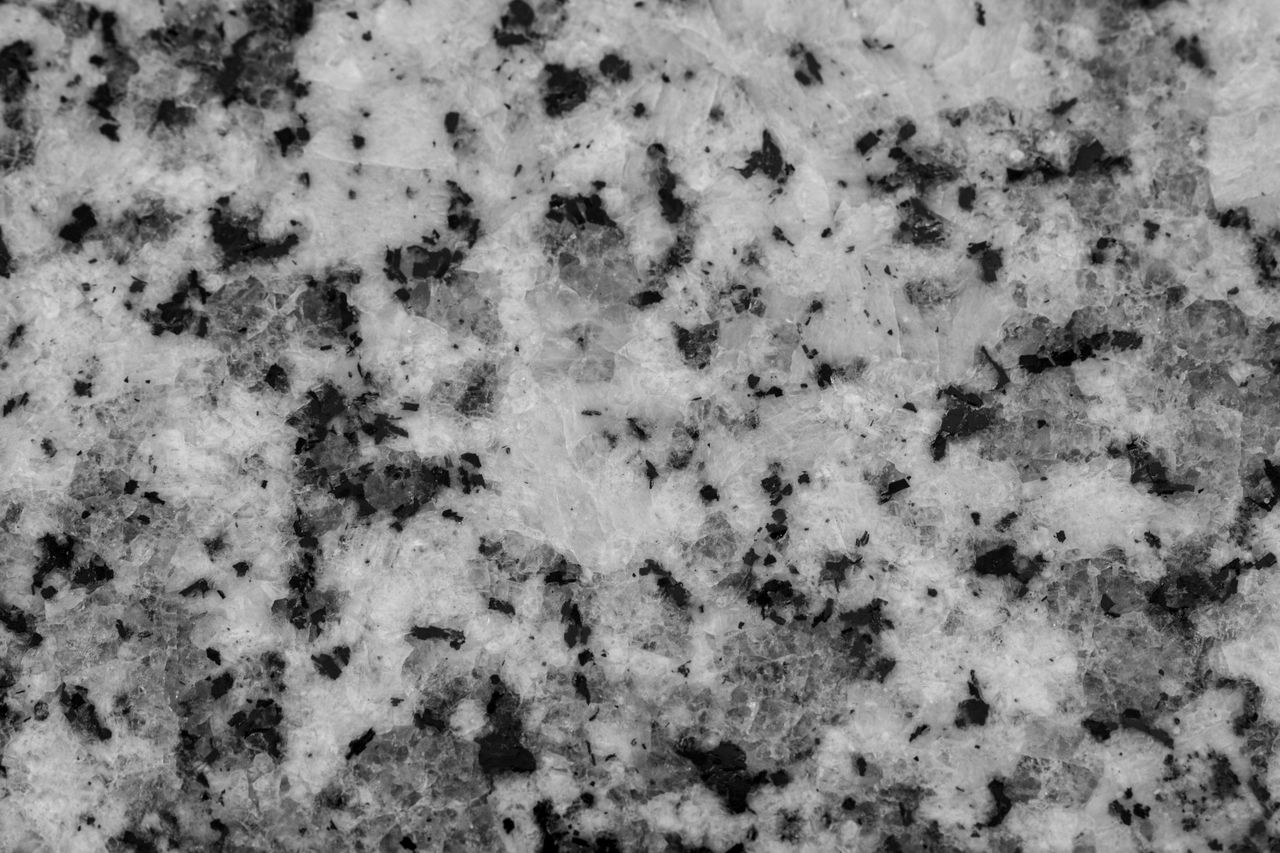
- Granite: Found in northern Iran, granite from this region meets global standards for strength and finish.
Market Position and Export Volume
Iran ranks among the top exporters of natural stone globally, consistently exporting millions of tons annually. The country’s main export markets include China, Turkey, the UAE, and several European countries. The natural stone sector contributes significantly to Iran’s non-oil exports, making it a strategic industry for economic diversification.
Regulatory Landscape for Exporting Natural Stone from Iran
Legal Requirements and Licensing
Exporting natural stone from Iran requires adherence to a well-defined regulatory framework. Exporters must register with the Iran Chamber of Commerce and obtain the necessary export licenses from the Ministry of Industry, Mine and Trade. Additionally, compliance with environmental regulations related to mining and quarrying is mandatory to ensure sustainable practices.
Quality Standards and Certification
To meet international market demands, Iranian exporters adhere to quality standards such as ISO certifications and product quality verification by the Iranian National Standards Organization. Certification ensures that stone products meet criteria related to strength, porosity, and finish, which are critical for building codes in importing countries.
Export Procedures and Documentation
Key Documentation for Export
Exporting natural stone involves several essential documents to facilitate customs clearance and international shipping. These include:
- Commercial Invoice
- Packing List
- Certificate of Origin
- Export License
- Quality and Inspection Certificates
- Bill of Lading or Airway Bill
Customs Clearance Process
Customs procedures in Iran require thorough documentation review and payment of export duties where applicable. The government has streamlined export operations through electronic customs systems to expedite processing. Exporters are recommended to work with experienced customs brokers familiar with natural stone shipments.
Logistics and Supply Chain Management
Transportation Options
Given the bulk and weight of natural stone, transportation logistics are critical. Key modes include:
- Land Transport: Trucks and freight trains connect quarries to ports such as Bandar Abbas and Shahid Rajaee.
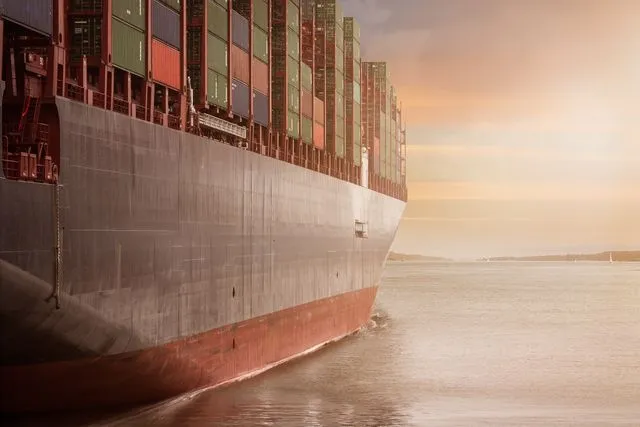
- Sea Freight: Containerized and bulk shipments are common for international export, offering cost efficiency for large volumes.
- Air Freight: Less common due to cost and weight constraints but used for urgent or high-value small shipments.
Packaging and Handling Considerations
Proper packaging is essential to prevent damage during transit. Exporters typically use reinforced wooden crates and pallets with cushioning materials. Handling protocols emphasize minimizing vibration and shock to preserve the integrity of the stone slabs and blocks.
Challenges in Exporting Natural Stone from Iran
International Sanctions and Trade Restrictions
Iran’s geopolitical situation has resulted in various international sanctions, which can complicate banking transactions, insurance coverage, and supply chain partnerships. Exporters must navigate these challenges carefully, often relying on regional trade agreements and compliant financial institutions.
Market Competition and Pricing Pressure
The global natural stone market is highly competitive, with countries like Italy, Turkey, and Brazil as major players. Iranian exporters face pricing pressures but can leverage the unique qualities and competitive extraction costs of Iranian stone to maintain market share.
Environmental and Sustainability Concerns
Mining activities have environmental impacts that require responsible management. Increasing global demand for sustainable sourcing compels Iranian exporters to adopt eco-friendly quarrying methods and adhere to international environmental standards.
Opportunities and Future Outlook
Growing Demand for Natural Stone in Emerging Markets
Emerging economies in Asia and Africa are investing heavily in infrastructure and real estate, driving demand for natural stone products. Iranian exporters are well-positioned to capitalize on this trend by expanding direct trade relationships and customizing products to local needs.
Technological Advancements in Quarrying and Processing
Adoption of modern cutting, polishing, and finishing technologies enhances product quality and production efficiency. Iranian companies investing in these technologies can offer superior products that meet stringent international standards.
Government Initiatives and Export Incentives
The Iranian government has implemented various incentives to promote non-oil exports, including subsidies, tax exemptions, and export facilitation programs. Exporters should stay informed about these initiatives to maximize their competitive advantage.
Conclusion
Exporting natural stone from Iran presents a lucrative opportunity backed by the country’s abundant natural resources and skilled craftsmanship. Understanding the regulatory environment, mastering logistics, and navigating international challenges are critical for success. By leveraging its geological wealth and capitalizing on emerging market trends, Iran’s natural stone industry is poised for sustainable growth and global expansion.