Travertine vs. Sandstone: Choosing the Right Stone for Coastal Projects
Introduction
Coastal projects demand materials that can withstand harsh marine environments while maintaining their aesthetic charm. Travertine and sandstone are two popular natural stones frequently considered for such applications. Understanding their properties, durability, and suitability is critical to making an informed decision that enhances your project’s longevity and appeal.
Understanding Travertine
What is Travertine?
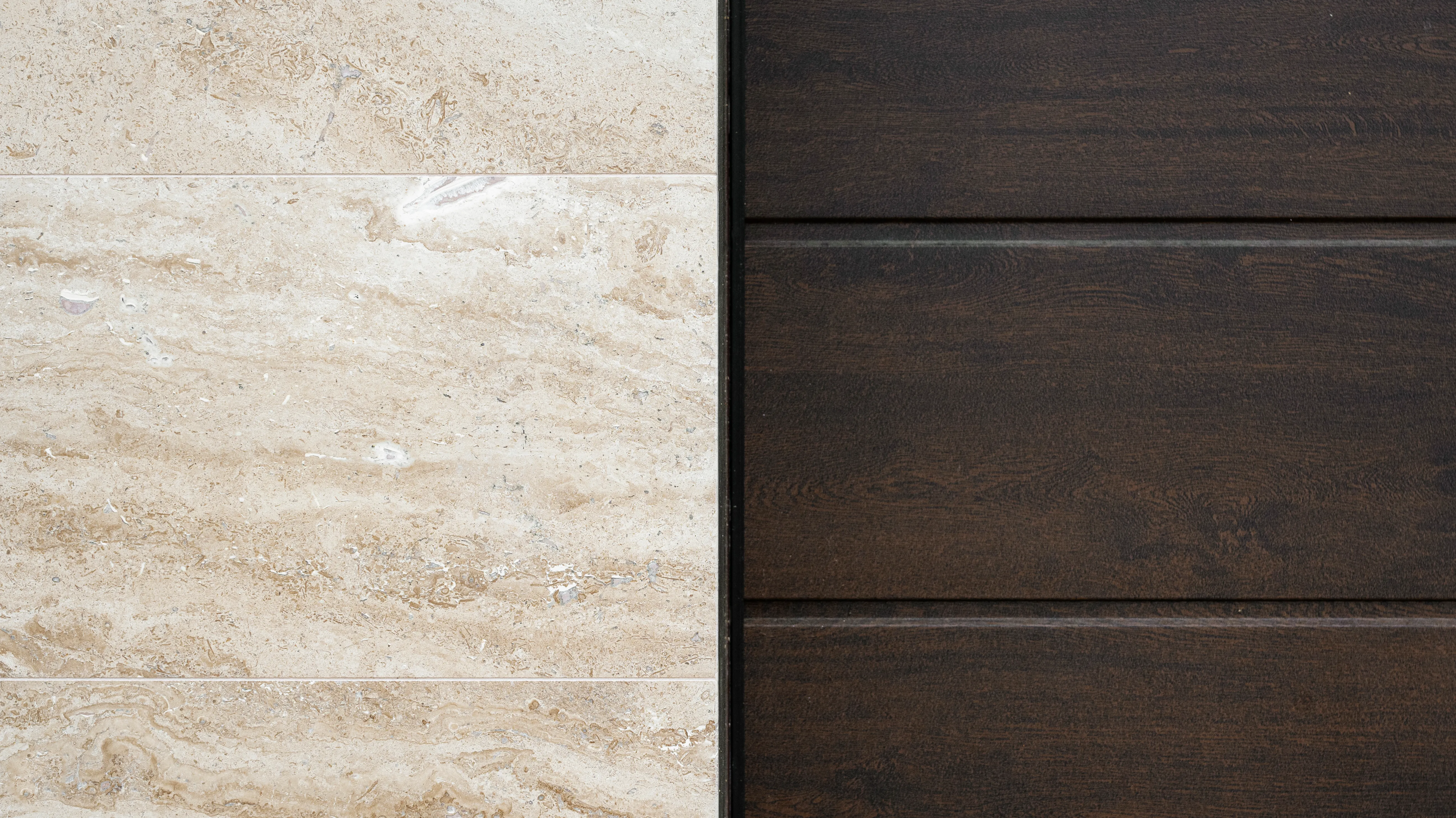
Travertine is a form of limestone deposited by mineral springs, especially hot springs. It consists mainly of calcium carbonate and forms through the accumulation of carbonate minerals. Characterized by its porous surface and natural pitted holes, travertine is often polished or filled to create a smooth texture suitable for flooring, cladding, and decorative purposes.
Properties of Travertine
- Durability: Travertine exhibits moderate durability. It is dense but porous, which can make it vulnerable to weathering if not properly sealed.
- Appearance: It offers warm, earthy tones ranging from beige and ivory to rust and gold, lending a timeless elegance to projects.
- Maintenance: Requires regular sealing to prevent water absorption and staining, especially in coastal environments.
- Slip Resistance: Its natural pitted texture provides good slip resistance, beneficial for wet coastal areas.
Understanding Sandstone
What is Sandstone?
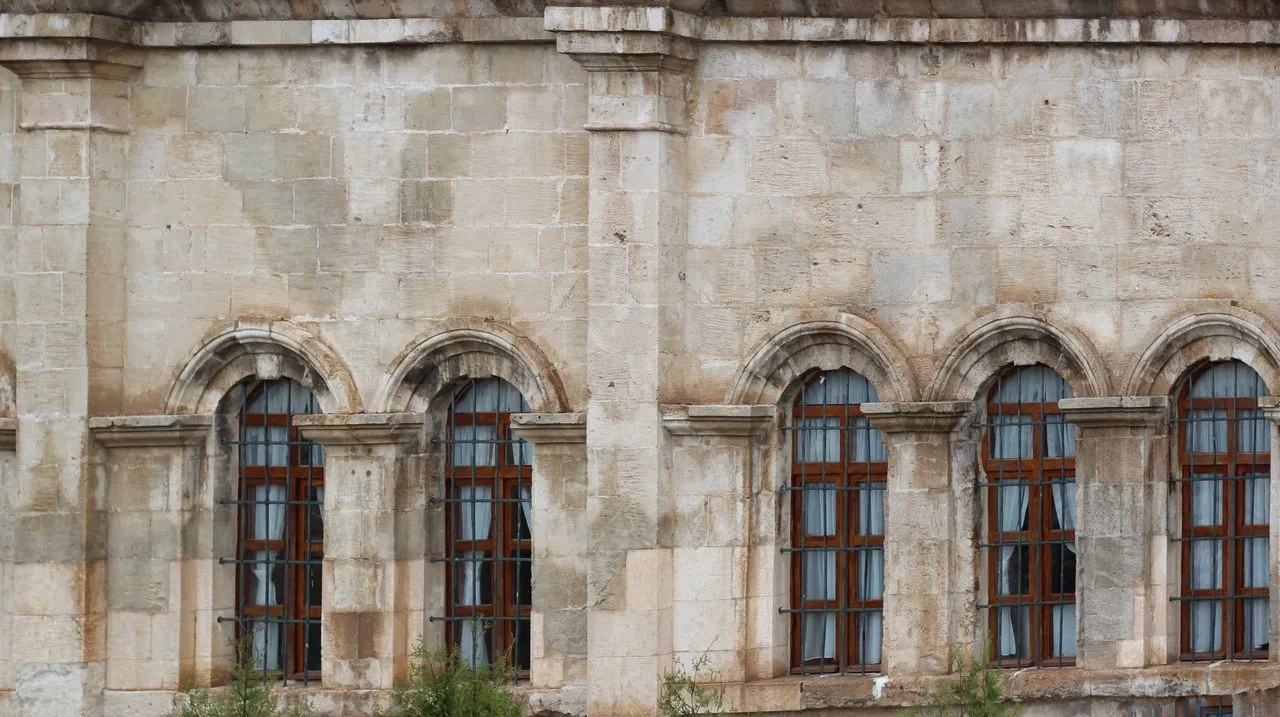
Sandstone is a sedimentary rock composed mainly of sand-sized mineral particles or rock fragments. It forms through the compaction and cementation of sand grains over time. Known for its granular texture and variety of colors, sandstone has been used extensively in construction and landscaping.
Properties of Sandstone
- Durability: Sandstone is generally durable but its strength varies depending on the mineral composition and cementing material.
- Appearance: Available in a broad spectrum of colors including tan, brown, yellow, red, and gray, sandstone offers versatile design options.
- Maintenance: Typically requires sealing in coastal settings to protect against salt and moisture intrusion.
- Slip Resistance: Its rough texture provides excellent traction, making it ideal for pathways and pool surrounds.
Comparative Analysis: Travertine vs. Sandstone in Coastal Settings
Resistance to Salt and Moisture
Coastal environments are characterized by high humidity, salt spray, and fluctuating temperatures. Travertine’s porosity means it can absorb salt water, which may cause deterioration over time if not properly treated. Sandstone’s resistance varies; some types have tighter grain structures that offer better resistance, but generally, both stones require sealing to combat salt-related degradation.
Weathering and Longevity
Travertine can erode under constant exposure to salty air and moisture, especially if untreated. Its softer nature compared to some sandstone varieties means it may show wear sooner in harsh conditions. Sandstone, depending on its specific composition, can be more resilient and maintain structural integrity longer when adequately maintained.
Aesthetic Considerations
Travertine’s warm tones and smooth finish after polishing create a luxurious look ideal for patios, pool decks, and facades. Sandstone’s wide color range and natural grainy texture offer a rustic, natural appearance that blends well with coastal landscapes.
Maintenance Needs
Both stones benefit from periodic sealing and cleaning to preserve their appearance and durability. Sandstone’s rougher texture can harbor dirt, requiring more frequent cleaning, whereas travertine’s smoother surfaces might show stains more readily but are easier to wipe clean.
Best Applications for Coastal Projects
Travertine
- Pool decks and patios where slip resistance with a polished look is desired.
- Exterior cladding that requires a refined appearance.
- Indoor coastal-themed spaces benefiting from its warm hues.
Sandstone
- Walkways, garden paths, and retaining walls that demand durability and texture.
- Outdoor seating areas and terraces where a natural aesthetic complements the environment.
- Landscaping features resistant to weathering.
Environmental and Cost Considerations
Both travertine and sandstone are natural materials with varying environmental footprints depending on quarrying practices. Travertine is generally more expensive due to its luxurious appeal and the additional processing required. Sandstone tends to be more cost-effective but can vary widely based on quality and source.
Conclusion
Choosing between travertine and sandstone for coastal projects hinges on balancing aesthetics, durability, maintenance, and budget. Travertine offers elegance and smoothness with moderate durability, best suited for polished applications requiring refinement. Sandstone provides robust strength and natural texture, ideal for rustic designs and high-traffic outdoor areas. Proper sealing and maintenance are essential for both stones to ensure longevity in the challenging coastal environment.
Consulting with stone professionals and considering the specific environmental conditions will guide you to the optimal choice, ensuring your coastal project stands the test of time while embodying the desired aesthetic.