How High-Quality Stone Increases Property Value
Introduction
In the competitive real estate market, enhancing property value is a primary goal for homeowners, investors, and developers alike. One often-overlooked strategy to significantly boost a property’s market worth is the incorporation of high-quality stone materials. Renowned for their durability, aesthetic appeal, and timeless elegance, high-quality stones not only elevate the physical appearance of a home but also contribute to its long-term value. This article delves into the multifaceted benefits of using high-quality stone in residential and commercial properties, providing an authoritative overview of why this natural material is a wise investment.
The Enduring Appeal of High-Quality Stone
Timeless Aesthetics and Versatility
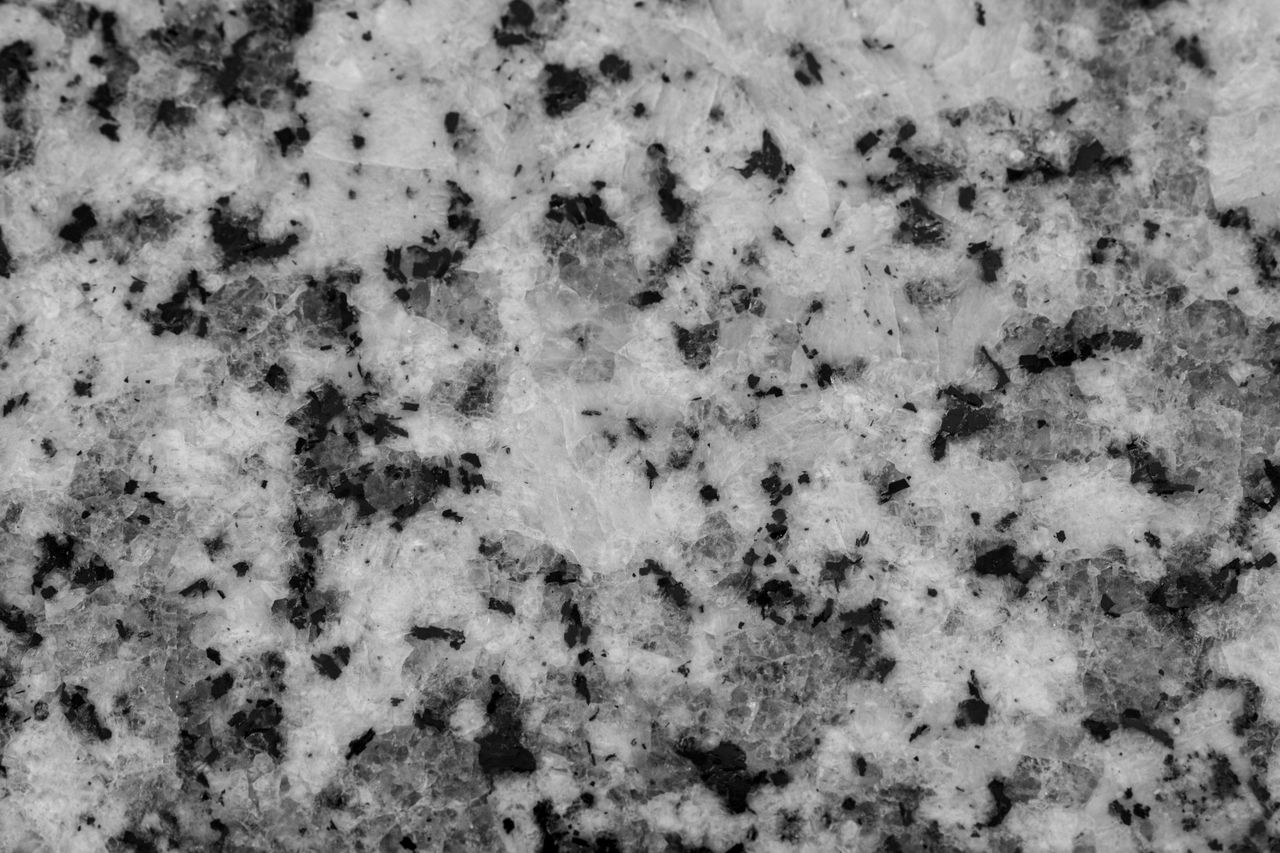
High-quality stone possesses an unparalleled natural beauty that transcends design trends. Whether used for exterior facades, flooring, countertops, or landscaping, stone introduces an element of sophistication and permanence. Materials like granite, marble, limestone, and slate offer a wide spectrum of colors, textures, and finishes that adapt to various architectural styles—from traditional to contemporary.
Unlike synthetic materials, stone ages gracefully, often developing a unique patina that enhances its character. This quality ensures that properties featuring stone elements maintain their visual appeal over decades, appealing to discerning buyers who value substance over fleeting trends.
Durability and Low Maintenance
The intrinsic durability of high-quality stone significantly contributes to its value proposition. Stone resists wear, weathering, and damage far better than many alternative materials. For example, granite countertops resist scratches and heat, while stone exterior cladding withstands harsh environmental conditions without significant degradation.
This longevity translates into reduced maintenance costs and fewer repairs over time, making stone a smart choice for property enhancement. Buyers are often willing to pay a premium for homes that promise long-term resilience and lower upkeep expenses.
How High-Quality Stone Influences Property Value
Increased Market Demand and Buyer Appeal
Properties adorned with high-quality stone frequently attract more interest from potential buyers. Stone conveys a sense of luxury and quality craftsmanship that can differentiate a property in a crowded market. Real estate listings highlighting stone features often command higher viewings and generate stronger offers.
Moreover, buyers perceive stone as a value-adding feature due to its aesthetic and functional benefits. This perception can translate into faster sales and higher selling prices, making stone a strategic investment for sellers.
Enhanced Structural Integrity
Besides aesthetics, stone contributes to the structural robustness of a property. Stone foundations, walls, and paving are less susceptible to damage from pests, moisture, and fire than many conventional building materials. This added structural integrity is a key consideration for appraisers and can positively impact property valuations.
Energy Efficiency Benefits
Certain high-quality stones provide natural insulation properties that help regulate indoor temperatures. For example, thick stone walls can retain heat during cold seasons and keep interiors cool in summer, contributing to energy savings. Energy-efficient homes are increasingly prized by buyers and appraisers alike, further boosting property value.
Choosing the Right High-Quality Stone
Considerations for Selection
Selecting the appropriate type of stone is critical to maximizing value. Factors such as local climate, architectural style, and intended use influence the best choice of material. For instance, granite’s hardness makes it ideal for high-traffic areas like flooring and countertops, while softer stones like limestone suit decorative applications.
Additionally, sourcing stone from reputable quarries ensures authenticity and superior quality, which enhances performance and longevity. Certified natural stone with clear provenance adds to buyer confidence and may positively impact appraisal outcomes.
Professional Installation and Finishing
The impact of high-quality stone on property value depends heavily on expert installation. Precision in cutting, fitting, and finishing is essential to showcase stone’s beauty and ensure durability. Poor workmanship can diminish stone’s appeal and lead to costly repairs, undermining the investment.
Homeowners and developers should engage experienced masons and designers who specialize in stone to achieve optimal results that enhance both aesthetics and value.
Case Studies: Stone’s Impact on Property Values
Numerous studies and market analyses have demonstrated that properties featuring high-quality stone elements consistently sell at premium prices. For example, a 2021 report by the National Association of Realtors indicated that homes with natural stone countertops and exterior stonework can see a value increase ranging from 3% to 7% compared to similar homes without these features.
Another case study from a luxury real estate market in California showed that stone-clad homes maintained higher resale values and shorter time on market, underscoring stone’s tangible benefits.
Conclusion
Investing in high-quality stone is a strategic decision that enhances property value through a combination of timeless beauty, exceptional durability, and functional benefits like energy efficiency and structural integrity. By thoughtfully selecting and professionally installing natural stone, property owners can achieve a significant competitive advantage in real estate markets.
For homeowners, developers, and real estate professionals seeking authoritative solutions to maximize property worth, high-quality stone stands out as a premium material choice that delivers both immediate aesthetic appeal and enduring financial returns.
Frequently Asked Questions
Is high-quality stone suitable for all climates?
Yes, but the choice of stone type should consider local weather conditions. For example, granite and slate perform well in extreme climates, while softer stones may require additional sealing or protection.
How does stone compare to synthetic materials in terms of cost?
While high-quality stone typically has a higher upfront cost than synthetic alternatives, its durability and low maintenance often result in lower lifetime expenses, providing better overall value.
Can stone increase energy efficiency?
Certain stones act as natural insulators, helping regulate indoor temperatures and potentially lowering energy bills, which can be attractive to buyers.
What maintenance does high-quality stone require?
Maintenance varies by stone type but generally includes regular cleaning and periodic sealing to preserve appearance and prevent staining.
Does stone installation impact the timeline of property renovations?
Professional stone installation requires careful planning and time, potentially extending renovation timelines. However, the long-term benefits typically outweigh the initial time investment.