Difference Between Building Stones for Interior and Exterior Spaces
Introduction
Building stones have been an integral component of architectural design for centuries. Their durability, aesthetic appeal, and natural elegance make them a preferred choice for both interior and exterior applications. However, not all stones are created equal, and the selection criteria for stones used inside a building significantly differ from those used outside. Understanding these differences is crucial for architects, designers, and builders aiming to maximize both functionality and beauty in their projects.
Understanding Building Stones: An Overview
Building stones are natural rocks that have been quarried and prepared for construction purposes. They vary widely in composition, texture, color, and strength, influencing their suitability for different environments. Common types include granite, marble, limestone, sandstone, slate, and travertine.
Key Properties of Building Stones
- Durability: Resistance to weathering, wear, and mechanical stress.
- Porosity: The degree to which a stone absorbs water.
- Hardness: Resistance to scratching and abrasion.
- Aesthetic Qualities: Color, pattern, and finish.
- Maintenance Requirements: Frequency and complexity of care.
Differences Between Interior and Exterior Building Stones
When selecting stones for interior versus exterior use, there are several critical factors to consider due to the distinct environmental conditions and functional demands.
1. Environmental Exposure
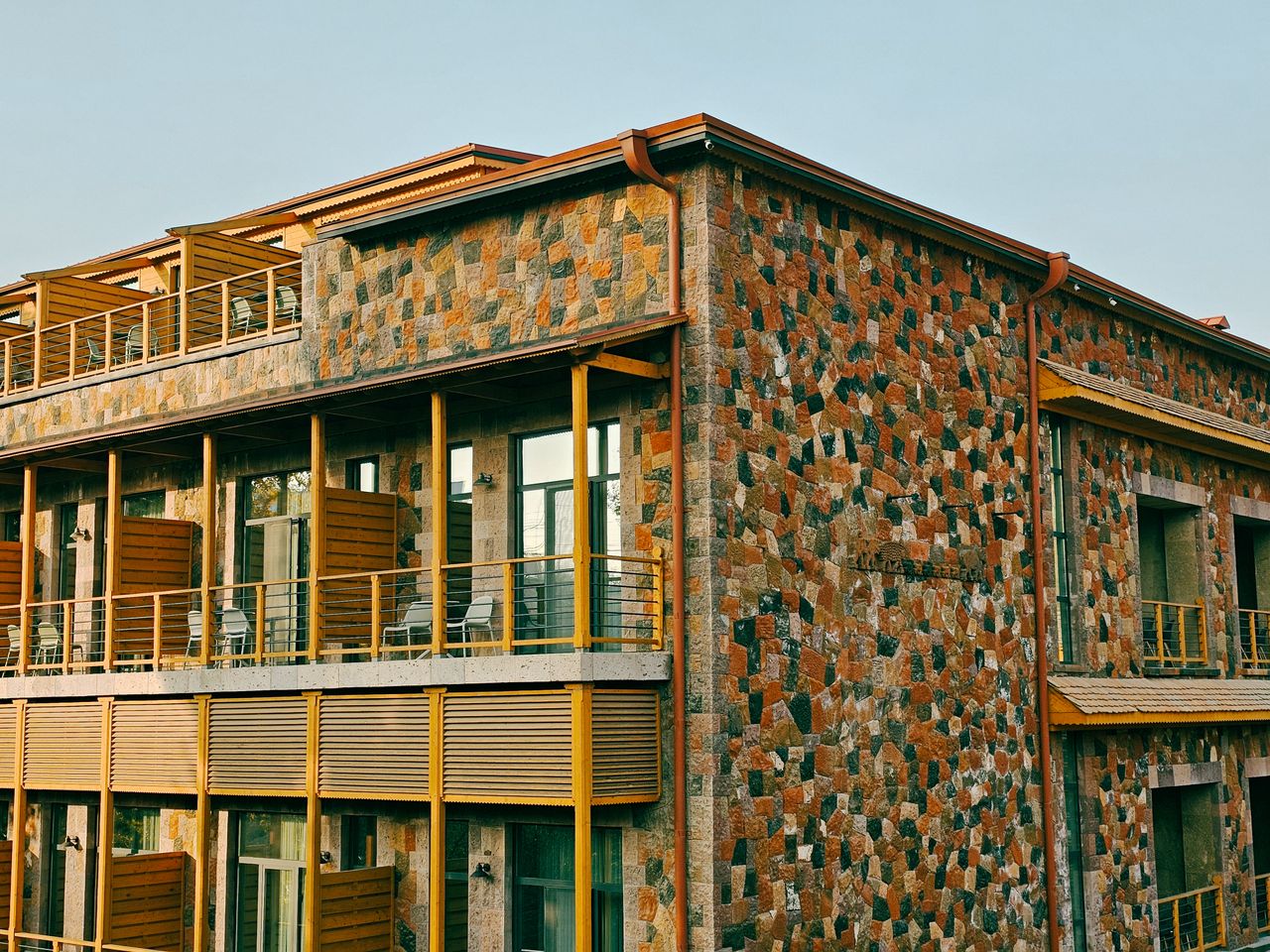
Exterior Stones: Exterior stones must withstand harsh environmental factors such as UV radiation, rain, freeze-thaw cycles, pollution, and temperature fluctuations. These conditions demand stones with high durability and low porosity to prevent water infiltration and damage.
Interior Stones: Interior stones are protected from weather extremes and typically face less mechanical abrasion. However, they must endure daily wear, chemical spills, and varying humidity levels depending on the space.
2. Durability and Strength
Exterior stones require exceptional strength and resistance to weathering. Granite and quartzite are popular exterior stones due to their hardness and low porosity, making them resistant to erosion and staining.
Interior stones can afford to be more delicate if appropriately maintained. Marble and limestone, prized for their luxurious appearance, are common choices but require sealing and care to preserve their finish.
3. Porosity and Water Absorption
Porosity is a vital consideration for exterior stones to avoid water infiltration, which can lead to cracking and biological growths like moss or algae.
In contrast, interior stones have less exposure to moisture but may be susceptible to stains from spills. As such, stones with moderate porosity can be used indoors with appropriate sealants.
4. Aesthetic Considerations
Interior stones are often chosen primarily for their visual appeal, including color, pattern, and ability to take polish. The controlled lighting and environmental conditions indoors allow for a wider range of finishes and delicate textures.
Exterior stones prioritize natural colors and textures that complement the surrounding environment and architectural style while minimizing the visibility of dirt and weathering effects.
5. Maintenance and Longevity
Exterior stones must be low-maintenance due to the difficulty of frequent cleaning and repairs. Stones prone to efflorescence or surface erosion are less ideal outdoors.
Interior stones can require more regular upkeep, such as polishing and resealing, especially in high-traffic areas like kitchens and bathrooms.
Common Stones Used for Interior Spaces
Marble
Known for its elegant veining and smooth texture, marble is a quintessential interior stone used in flooring, countertops, and decorative features. Although softer and more porous than granite, proper sealing can mitigate staining risks.
Limestone
Limestone offers a warm, natural appearance with subtle textures. It is favored for flooring and wall cladding in living spaces, but requires sealing to prevent damage from acids and moisture.
Slate
Slate is valued indoors for its natural cleft surface and slip resistance, making it ideal for bathrooms and kitchens. It is durable enough for floors yet softer than granite.
Common Stones Used for Exterior Spaces
Granite
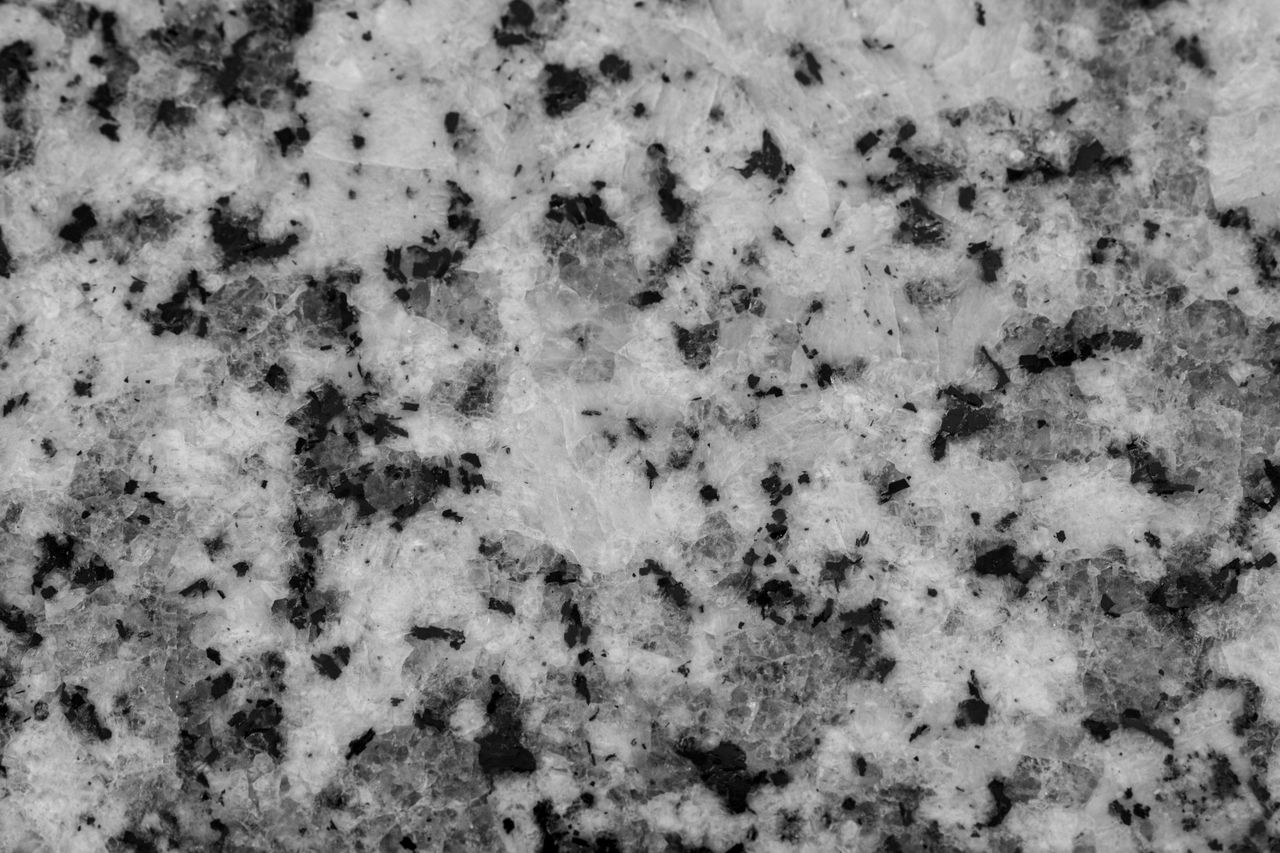
Granite is the most popular exterior stone due to its hardness, resistance to weathering, and low porosity. It is commonly used in facades, paving, and outdoor countertops.
Sandstone
Sandstone offers a natural, earthy aesthetic and good durability for exterior cladding and paving. Variations in grain size influence its weather resistance.
Quartzite
Quartzite is extremely hard and resistant to abrasion, making it suitable for exterior walls and flooring that experience heavy foot traffic and harsh climates.
Factors Influencing Stone Selection for Interior and Exterior Use
Climate and Weather Conditions
Cold climates with freeze-thaw cycles demand stones with minimal water absorption and high frost resistance outdoors. Conversely, tropical climates require stones resistant to humidity and mold.
Structural Requirements
Exterior stones often serve structural roles and must bear loads and resist impact. Interior stones are generally more decorative but must still withstand foot traffic and usage demands.
Budget and Availability
The cost of stone varies widely based on rarity, quarrying, and finishing processes. Locally sourced stones can reduce transportation costs and environmental impact.
Best Practices for Using Building Stones
- Consult Material Specifications: Review technical datasheets to understand strength, porosity, and weather resistance.
- Perform Site Assessments: Evaluate environmental conditions to anticipate wear and maintenance needs.
- Use Appropriate Sealants: Enhance durability and stain resistance tailored to the stone and location.
- Plan for Maintenance: Establish cleaning and upkeep routines to prolong stone life.
- Hire Experienced Installers: Proper installation techniques are critical to avoid stone damage and ensure longevity.
Conclusion
The distinction between building stones for interior and exterior spaces lies primarily in their physical properties and environmental demands. Exterior stones must prioritize durability, low porosity, and weather resistance, while interior stones afford greater flexibility in aesthetics and softer textures. Thoughtful stone selection, aligned with site conditions and intended use, ensures structural integrity, aesthetic excellence, and long-lasting beauty in architectural projects.