
Why Do Omani Architects Prefer Iranian Marble?
Introduction
In the realm of architectural design and construction, the choice of building materials plays a crucial role in both the aesthetic appeal and durability of a project. Among various materials, marble has long been revered for its elegance and strength. In Oman, a notable trend has emerged where architects predominantly favor Iranian marble for their projects. This article delves into the multifaceted reasons why Iranian marble holds a special place in Omani architecture, examining aspects such as quality, cost-effectiveness, cultural interplay, and availability.
Understanding the Architectural Context in Oman
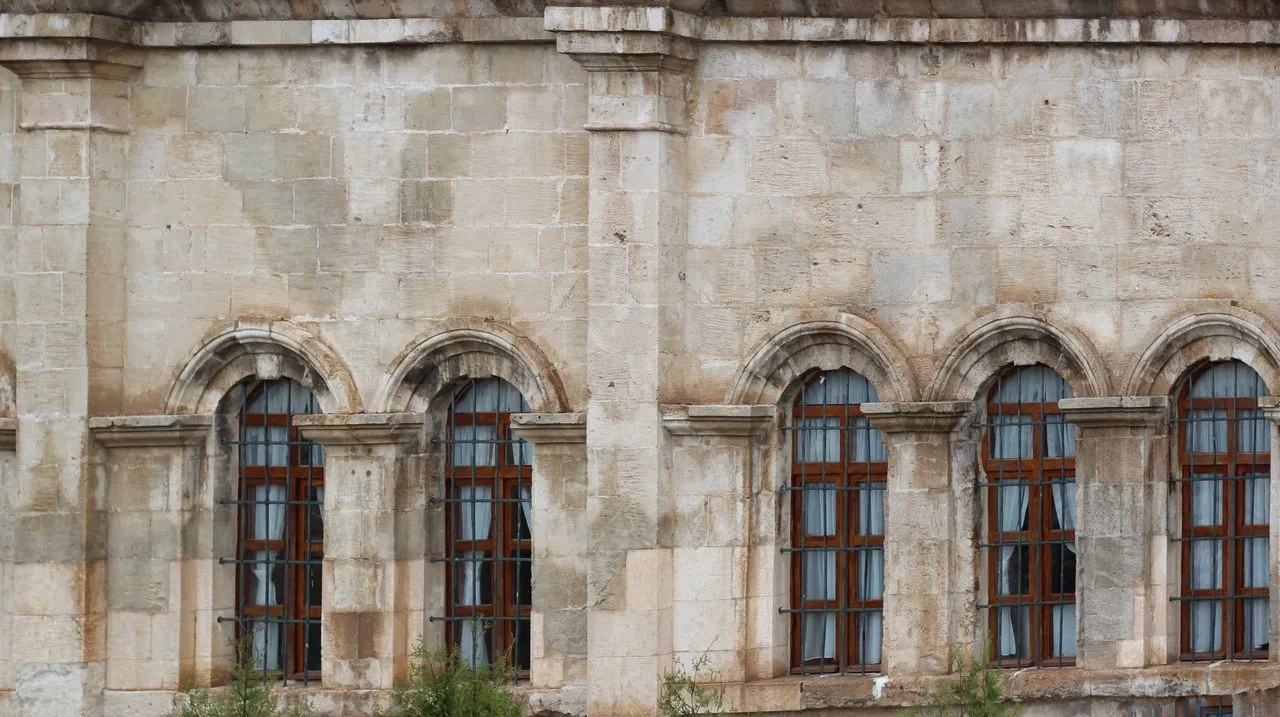
Oman’s architectural identity reflects a balanced amalgamation of tradition and modernity. From the historic forts and mosques to contemporary commercial complexes, the choice of materials must respect this blend while ensuring longevity under the region’s climatic conditions. Architects in Oman are often tasked with designing structures that withstand harsh temperatures, sandstorms, and humidity, all while maintaining visual grandeur.
Material Selection Criteria for Omani Architects
- Durability: Materials must endure high temperatures and abrasive environmental factors.
- Aesthetic Value: Reflecting Omani cultural heritage through natural textures and colors.
- Cost Efficiency: Balancing budget constraints without compromising quality.
- Availability and Supply Chain: Reliable sourcing and timely delivery to meet project deadlines.
The Superior Quality of Iranian Marble
Iranian marble is renowned globally for its exceptional quality. The country’s geological diversity has endowed it with a variety of marble types, each possessing unique characteristics. For Omani architects, these qualities translate into distinct advantages:
Variety and Aesthetic Appeal
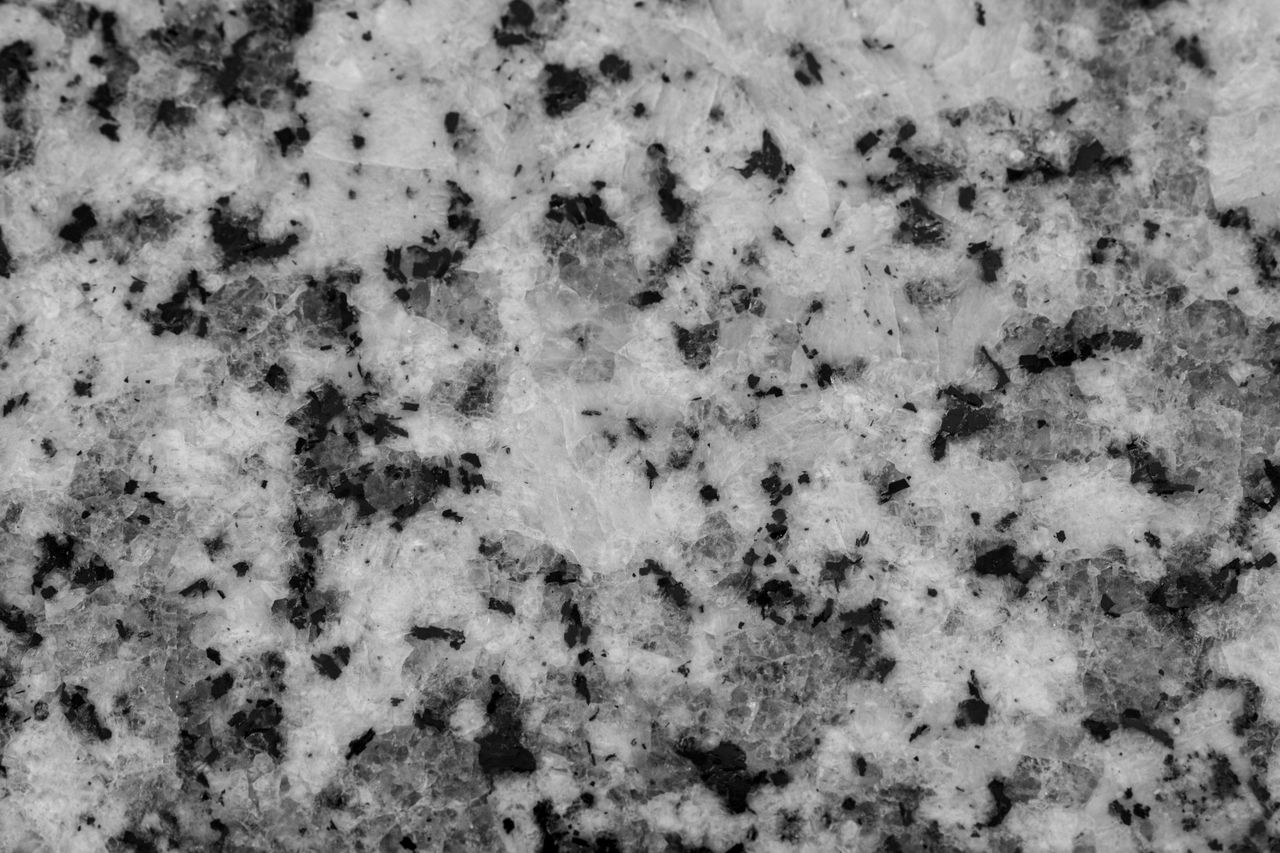
Iranian marble offers an extensive palette of colors, patterns, and finishes, ranging from pure whites to intricate veining in shades of beige, green, and rose. This diversity allows architects in Oman to select marble that aligns precisely with their design vision and cultural symbolism.
Durability and Resilience
Extracted from some of the oldest geological formations, Iranian marble exhibits robust structural properties. Its high density and minimal porosity contribute to superior resistance against weathering, ensuring longevity in Oman’s climate. This durability reduces maintenance costs and extends the lifespan of marble installations.
Provenance and Craftsmanship
The quarrying and processing of marble in Iran have a centuries-old tradition of craftsmanship. Skilled artisans ensure that the marble is cut and polished to exact specifications, delivering a product that meets international standards. This meticulous attention to detail appeals to Omani architects aiming for premium finishes.
Economic Advantages for Omani Architects
Cost remains a critical factor in material selection. Iranian marble presents an economical option without sacrificing quality, creating a favorable value proposition for large-scale and luxury projects.
Competitive Pricing
Despite its superior quality, Iranian marble is competitively priced compared to European or other internationally sourced marble. This pricing advantage is partly due to Iran’s domestic supply chains, lower labor costs, and efficient quarrying practices.
Efficient Supply Chain and Proximity
Geographically, Iran’s proximity to Oman facilitates relatively quick and cost-effective shipping routes via the Persian Gulf. Reduced transportation time lowers logistical expenses and minimizes delays, which is crucial for maintaining tight construction schedules.
Cultural and Historical Connections
The preference for Iranian marble among Omani architects is not solely driven by practical considerations; cultural and historical ties also play an influential role.
Shared Aesthetic Sensibilities
Oman and Iran share aspects of Islamic art and architecture that emphasize natural beauty, intricate patterns, and harmonious proportions. Iranian marble, with its subtle veining and rich textures, complements these aesthetic values and fosters a visual continuity across regional structures.
Historical Trade Links
Centuries of trade between Oman and Iran have established enduring relationships in material exchange and craftsmanship. This long-standing connection has led to trust and familiarity with Iranian marble, reinforcing its preference in Omani architectural practice.
Case Studies: Prominent Omani Projects Featuring Iranian Marble
Several landmark projects in Oman have showcased the distinctive qualities of Iranian marble, underlining its importance in the region’s architectural landscape.
The Royal Opera House Muscat
This iconic cultural venue features extensive use of Iranian marble in its flooring and decorative elements. The marble’s polished finish and varied hues contribute to the venue’s luxurious ambiance, while its durability supports heavy foot traffic.
Luxury Hotels and Resorts
Premium hospitality projects often incorporate Iranian marble to enhance guest experience through elegant lobbies, bathrooms, and outdoor spaces that withstand harsh seaside environments.
Environmental Considerations and Sustainability
As global focus turns towards sustainable construction, the sourcing of marble has come under scrutiny. Iranian marble quarries have begun implementing more environmentally responsible practices, which resonates with the growing sustainability agenda among Omani architects.
Eco-Friendly Quarrying Techniques
Modern extraction methods reduce waste and environmental impact, ensuring that marble harvesting aligns with ecological preservation goals.
Longevity as Sustainability
The inherent durability of Iranian marble reduces the need for frequent replacement or repairs, indirectly minimizing resource consumption and carbon footprint over a building’s lifecycle.
Conclusion
The preference of Iranian marble by Omani architects is a multifactorial phenomenon rooted in quality, economic practicality, cultural affinity, and environmental considerations. Its superior durability and aesthetic versatility cater precisely to the demands of Oman’s architectural landscape, while competitive pricing and logistical convenience further enhance its appeal. Moreover, longstanding historical ties enrich this material choice with deep cultural resonance. As Oman continues to develop its built environment, Iranian marble remains a trusted and favored material that bridges tradition with modern architectural excellence.