The Impact of Stone Patterns and Veins on Final Price
Introduction to Stone Patterns and Veins
Natural stone has long been prized for its aesthetic appeal and durability, making it a desirable choice for countertops, flooring, and architectural features. One of the most captivating aspects of natural stone is its unique patterns and veins, which contribute not only to its beauty but also to its market value.
Understanding how these patterns and veins impact the final price of stone can empower homeowners, designers, and contractors to make better purchasing decisions. In this article, we delve into the intricate relationship between stone characteristics and pricing.
The Role of Stone Patterns in Pricing
What Are Stone Patterns?
Stone patterns refer to the visual texture and arrangement of colors, shapes, and markings on the stone surface. These patterns are a natural outcome of geological processes including mineral deposits, pressure, and temperature changes over millions of years.
Common pattern types include:
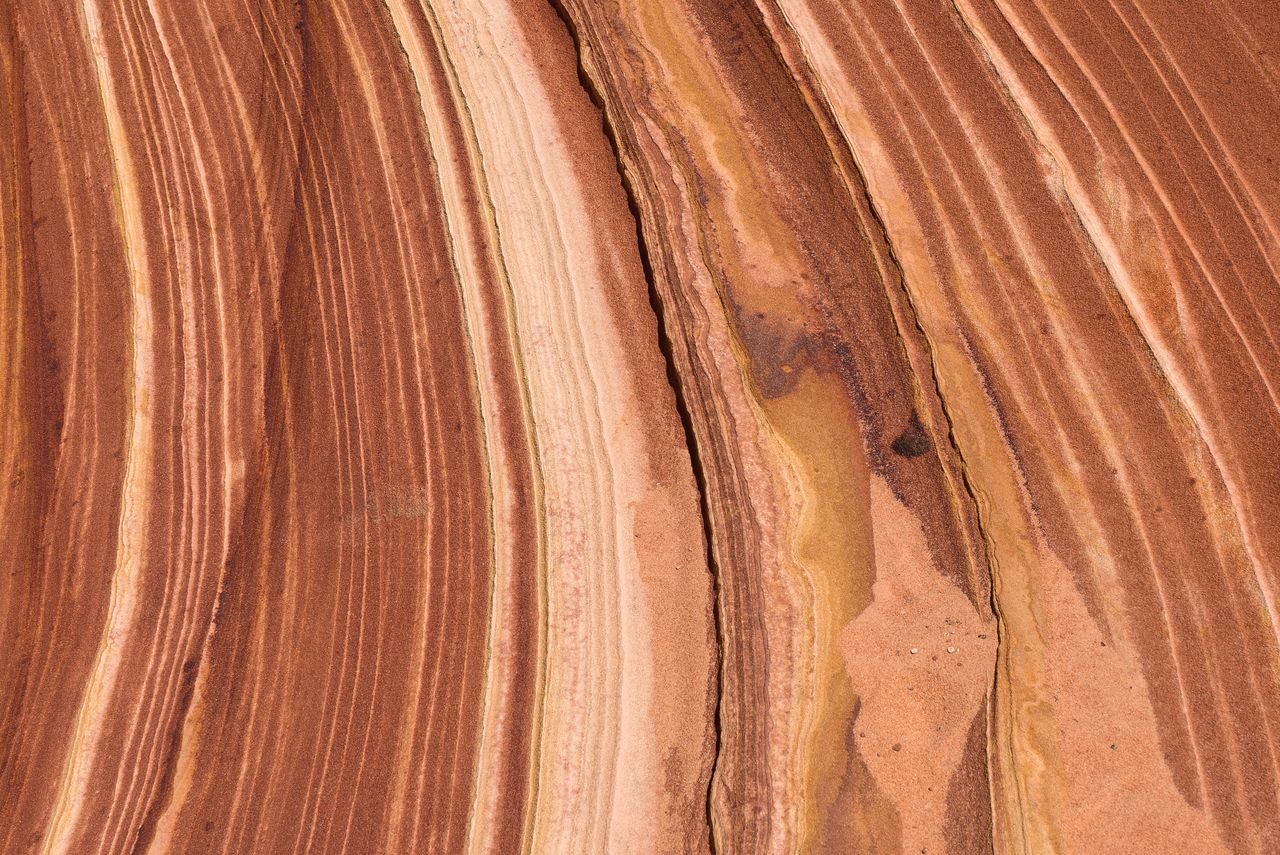
- Veining: Linear or flowing lines that traverse the stone.
- Swirls and Waves: Curved formations creating dynamic movement.
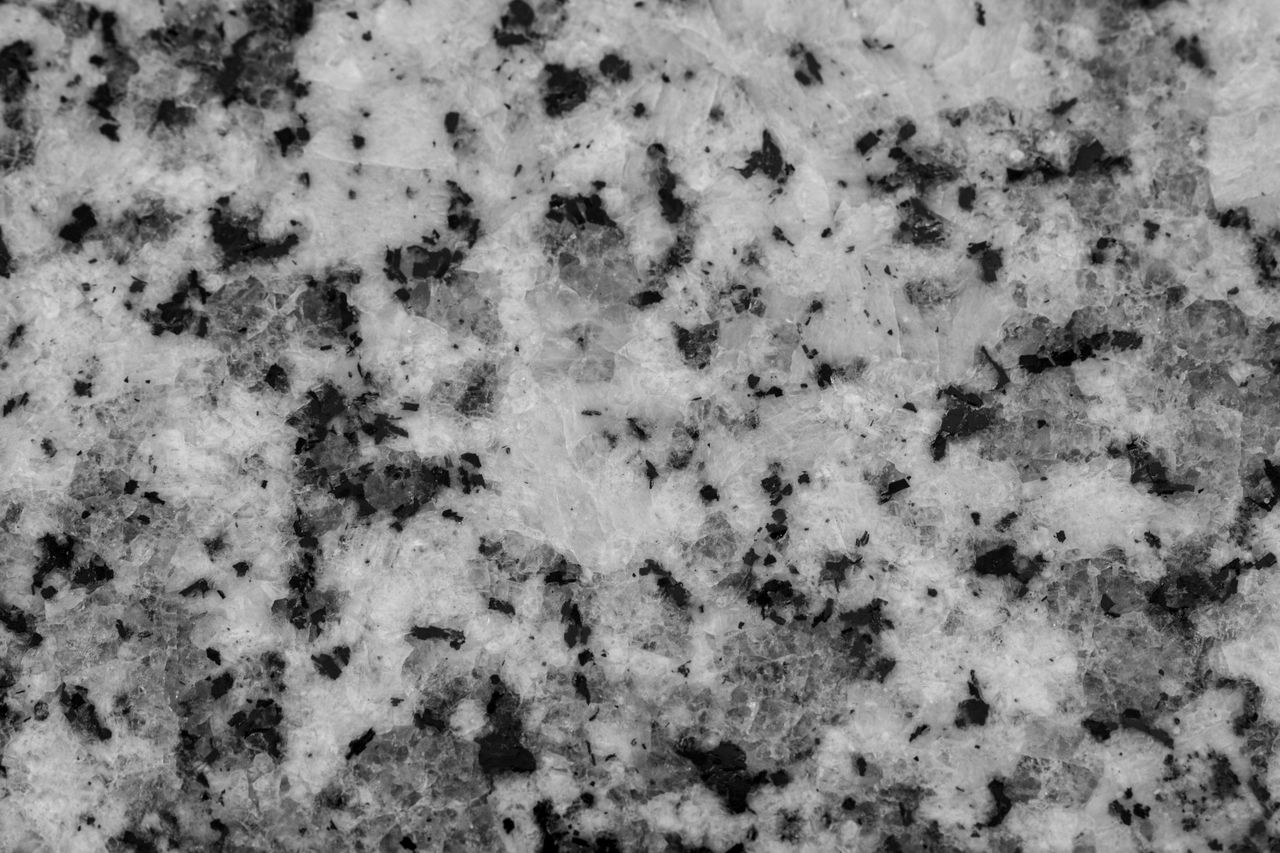
- Speckles and Granules: Small, dispersed mineral deposits.
- Crystals and Fossils: Embedded natural formations adding special character.
How Patterns Affect Perceived Value
Intricate, rare, or visually striking patterns tend to elevate the perceived value of the stone. Buyers often seek stones with bold veining or dramatic folds because these features create a unique and luxurious appearance.
For example, Calacatta marble, known for its thick and dynamic veining, commands a significantly higher price than more uniform stones. Conversely, subtle or uniform patterns might be less expensive but appeal to buyers desiring minimalist aesthetics.
Understanding Veins and Their Influence on Cost
Definition and Formation of Veins
Veins are streaks of mineral deposits that run through the stone, often differing in color or texture from the base material. They form when mineral-rich fluids fill cracks in the rock, solidifying into distinct lines or bands.
The size, color, and density of veins vary widely, influencing both the stone’s appearance and structural integrity.
Impact on Pricing
Veins can significantly affect the price in several ways:
- Rarity and Visual Appeal: Unique or bold veins create a one-of-a-kind look that collectors and designers highly prize.
- Cutting and Yield: Veins can present challenges when cutting slabs, leading to more waste and higher fabrication costs.
- Structural Considerations: Some veins might be weaker than the surrounding stone, requiring reinforcement or special handling, increasing labor costs.
Examples of Vein Impact on Price
Granite with consistent, fine veining may be less costly than a slab featuring broad, contrasting veins that demand careful extraction and finishing.
Similarly, exotic stones like Blue Bahia granite, prized for vibrant blue veins, often come at a premium due to their rarity and striking appearance.
Additional Factors Influencing Stone Pricing
Stone Type and Origin
The type of stone—marble, granite, quartzite, limestone, or others—and its geographic origin play a foundational role in pricing. Rare stones or those imported from distant locations naturally incur higher costs.
Availability and Market Demand
Market demand for certain patterns and veins fluctuates over time. Trends in interior design can increase demand for specific stone aesthetics, pushing prices upward.
Processing and Fabrication Costs
Complex patterns or veins requiring intricate cutting, polishing, or reinforcement elevate fabrication expenses, which feed into the final price.
Making Informed Choices When Selecting Stone
Balancing Aesthetics and Budget
While dramatic veins and patterns can be alluring, they often come at a premium. Buyers should balance desired aesthetics with their budget constraints by considering:
- Whether a subtle or bold look fits the design goals.
- How much one is willing to invest in stone maintenance and potential repairs.
- Alternative stone types or colors that replicate the desired effect at lower cost.
Working with Experienced Stone Suppliers
Engaging knowledgeable suppliers and fabricators can help identify slabs that maximize aesthetic appeal while minimizing unnecessary costs. They can also provide insights into the structural implications of specific vein patterns.
Conclusion
The patterns and veins in natural stone are far more than decorative elements; they are pivotal determinants of the stone’s final price. From the rarity of the pattern to the complexity of cutting, these natural features influence cost through various channels.
By understanding these factors, buyers and industry professionals can make smarter choices, achieving both beauty and value in their stone selections.
Choosing natural stone is a blend of art and science, where appreciating the geological story behind every vein and pattern can lead to truly inspired spaces.