
Best Methods for Maintaining and Cleaning Natural Stone
Introduction to Natural Stone Maintenance
Natural stone surfaces, from granite countertops to marble flooring, add elegance and value to any space. However, their beauty requires proper care and maintenance to prevent damage and preserve their longevity. Unlike synthetic materials, natural stone is porous and sensitive to certain chemicals, making routine cleaning and upkeep essential. This article explores the best methods for maintaining and cleaning natural stone, ensuring it retains its natural luster for years.
Understanding the Characteristics of Natural Stone
Before diving into maintenance techniques, it is crucial to understand the characteristics of common natural stones:
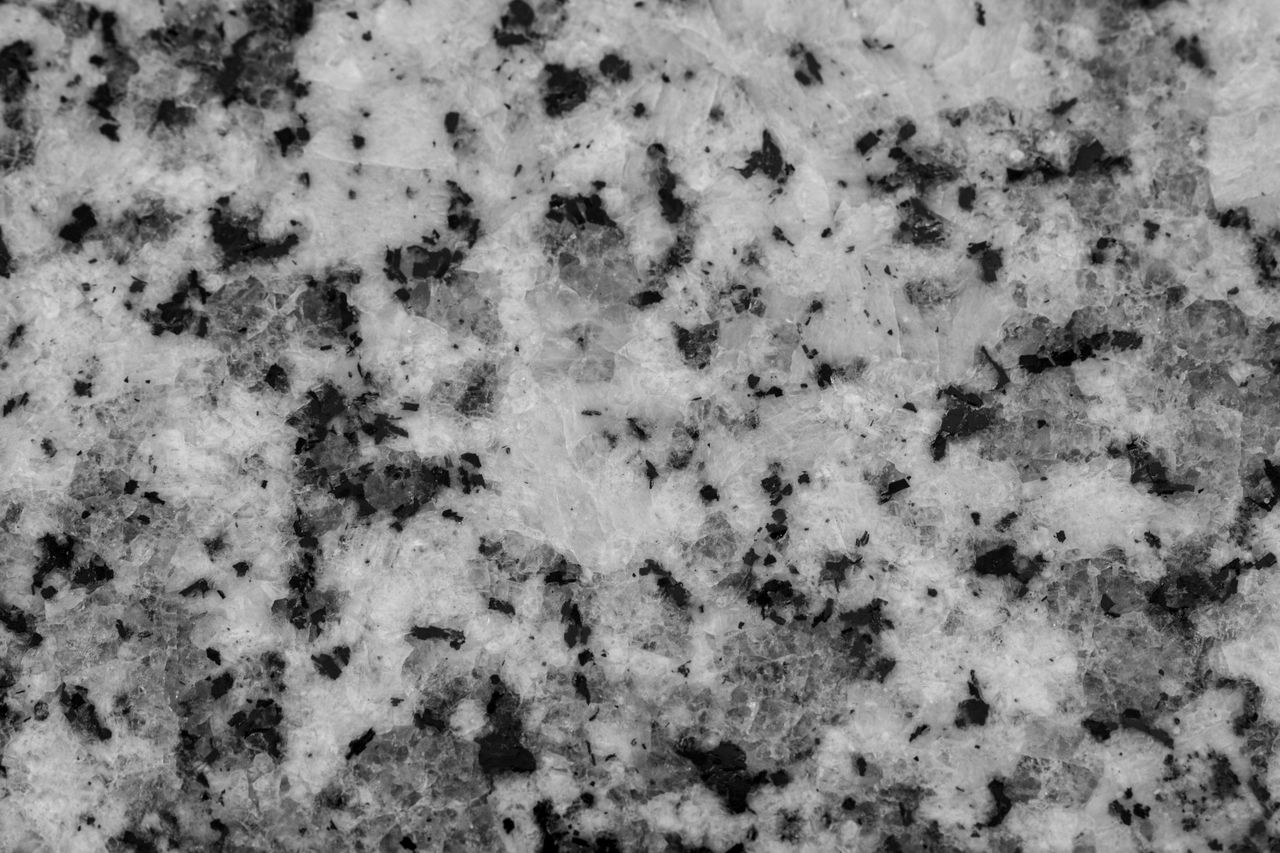
- Granite: Dense and durable, granite is highly resistant to scratches and stains but still benefits from proper sealing.
- Marble: Known for its elegance and veining, marble is softer and more porous, requiring gentle cleaning and frequent sealing.
- Limestone: Porous and sensitive to acidic substances, limestone demands cautious handling.
- Slate: Durable with a natural cleft surface, slate is less porous but can be prone to chipping.
- Travertine: Characterized by its unique holes and troughs, travertine is highly porous and needs consistent sealing.
Recognizing these differences is fundamental to choosing the right cleaning products and maintenance routines.
Daily Cleaning Practices for Natural Stone
Use pH-Neutral Cleaners
Natural stone surfaces require cleaning products that are pH-neutral to avoid etching or discoloration. Avoid acidic or alkaline cleaners, including vinegar, bleach, or ammonia, as they can degrade the stone’s surface over time. Instead, opt for specialized stone cleaners or a mild detergent diluted in warm water.
Soft Cloths and Mops
Use soft microfiber cloths or mops for wiping and cleaning. Abrasive sponges or scrubbers can scratch and dull the surface. For countertops, use damp cloths and dry immediately to prevent water spots.
Regular Dusting and Sweeping
For flooring, regular dusting and sweeping remove dirt and debris that could scratch the stone. Use a soft-bristle broom or a vacuum cleaner with a brush attachment.
Deep Cleaning Techniques for Natural Stone
Preparing for Deep Cleaning
Deep cleaning is necessary periodically to remove stubborn stains, ground-in dirt, and residue from sealers or cleaners.
Steps for Deep Cleaning
- Test a Small Area: Before applying any cleaner, test in an inconspicuous spot to ensure no adverse reaction.
- Use a Stone-Specific Cleaner: Employ a manufacturer-recommended cleaner formulated for your specific stone type.
- Apply and Scrub Gently: Use a soft brush or non-abrasive pad to scrub the surface gently.
- Rinse Thoroughly: Remove the cleaner residue with clean water.
- Dry Completely: Use a dry cloth to avoid water spots and streaks.
Stain Removal Strategies
Stains on natural stone can be challenging due to the porous nature of the material. The key is to identify the type of stain and use the corresponding removal method.
Common Stain Types and Treatments
- Oil-Based Stains: Use a poultice made from baking soda and water or a commercial degreaser designed for stone.
- Organic Stains: Caused by coffee, tea, or leaves—remove with a poultice of hydrogen peroxide and a few drops of ammonia.
- Rust Stains: Require specialized rust removers safe for natural stone; avoid acidic cleaners.
- Ink and Dye Stains: Use acetone or lacquer thinner carefully, testing first.
Always remove stains promptly to reduce the chance of permanent damage.
Sealing Natural Stone
Why Seal Natural Stone?
Sealing natural stone creates a protective barrier that reduces porosity, preventing stains and moisture infiltration. The frequency and type of sealing depend on the stone and its application.
How to Seal Properly
- Clean Thoroughly: Ensure the surface is clean and dry before sealing.
- Choose the Right Sealer: Use penetrating sealers for floors and countertops for best protection without altering appearance.
- Apply Evenly: Use a clean cloth or applicator pad to spread the sealer.
- Allow to Absorb: Let the sealer penetrate for the recommended time.
- Remove Excess: Wipe off any residue to avoid sticky surfaces.
- Cure Time: Let the stone cure undisturbed according to product instructions.
Sealing Frequency
Depending on usage, seal natural stone every 6 to 12 months. High-traffic areas or kitchen countertops may require more frequent sealing.
Preventive Measures for Long-Term Preservation
- Use Coasters and Trivets: Always place coasters under glasses and trivets under hot pots to prevent stains and heat damage.
- Clean Spills Immediately: Promptly wipe spills to prevent absorption.
- Avoid Harsh Chemicals: Never use acidic or abrasive cleaners.
- Use Rugs and Mats: In high-traffic areas, protect flooring with rugs or mats.
- Regular Inspections: Periodically check for signs of damage or wear and address issues immediately.
Professional Maintenance and Restoration
For extensive damage or deep stains that resist home treatment, professional stone restoration services are advisable. Experts can perform polishing, honing, and deep cleaning to restore the stone’s original beauty.
Conclusion
Maintaining and cleaning natural stone surfaces is a nuanced process that requires understanding the material’s nature and applying appropriate methods. By adopting pH-neutral cleaning, regular sealing, immediate stain treatment, and preventive care, homeowners and facility managers can extend the lifespan and appearance of their natural stone installations. When in doubt, consulting professionals ensures that your investment in natural stone continues to enhance your space beautifully and durably.