
A Complete Buyer’s Guide to Iranian Marble, Granite, and Travertine for International Projects
Introduction to Iranian Natural Stones
Iran is globally recognized for its rich deposits of natural stones, most notably marble, granite, and travertine. These stones have become a cornerstone of the international construction and design industries due to their exceptional quality, diverse aesthetics, and competitive pricing. For buyers involved in large-scale or bespoke international projects, understanding the nuances of Iranian stone products is critical to ensuring optimal material selection, procurement, and project success.
Why Choose Iranian Marble, Granite, and Travertine?
Iranian stones have earned a reputation for a variety of reasons. Beyond their natural beauty, the stones offer durability, versatility, and an extensive color palette that caters to diverse architectural styles. This section explores the unique selling points that make Iranian natural stones a preferred choice worldwide.
Exceptional Geological Formations
Iran’s unique geological makeup results in stones with distinctive veining, textures, and colors. The country’s mountainous terrains, particularly the Alborz and Zagros ranges, are rich in high-quality quarries. This geological diversity allows access to a broad spectrum of stones ranging from pure whites to deep blacks and vibrant earth tones.
Variety and Range
Iranian marble, granite, and travertine come in a wide range of patterns and finishes. Marble varieties like the renowned Isfahan and Mashhad marbles are prized for their intricate veining and pure finish. Granite options such as Black Pearl and Sefid Sang are favored for strength and polished aesthetics. Travertine from regions like Semnan offers unique porous textures ideal for both indoor and outdoor applications.
Cost Effectiveness
International buyers often find Iranian stones competitive compared to European or American counterparts. Lower extraction and labor costs translate into favorable pricing without compromising quality. This affordability is particularly advantageous for large volume projects with tight budgets.
Key Characteristics of Iranian Marble
Marble remains one of the most sought-after stones for luxury architecture and interiors. Iranian marble is distinguished by:
Color and Veining
Iranian marble offers a palette ranging from pure whites and creams to pinks and greys. The veining is often dramatic and artistic, providing a natural elegance that enhances flooring, wall claddings, and countertops.
Hardness and Durability
While marble is softer compared to granite, Iranian varieties are known for their structural integrity and resistance to weathering, making them suitable for both indoor and moderate outdoor use.
Understanding Iranian Granite
Granite is prized for its hardness and resilience. Iranian granite stands out for:
Rich Color Depth
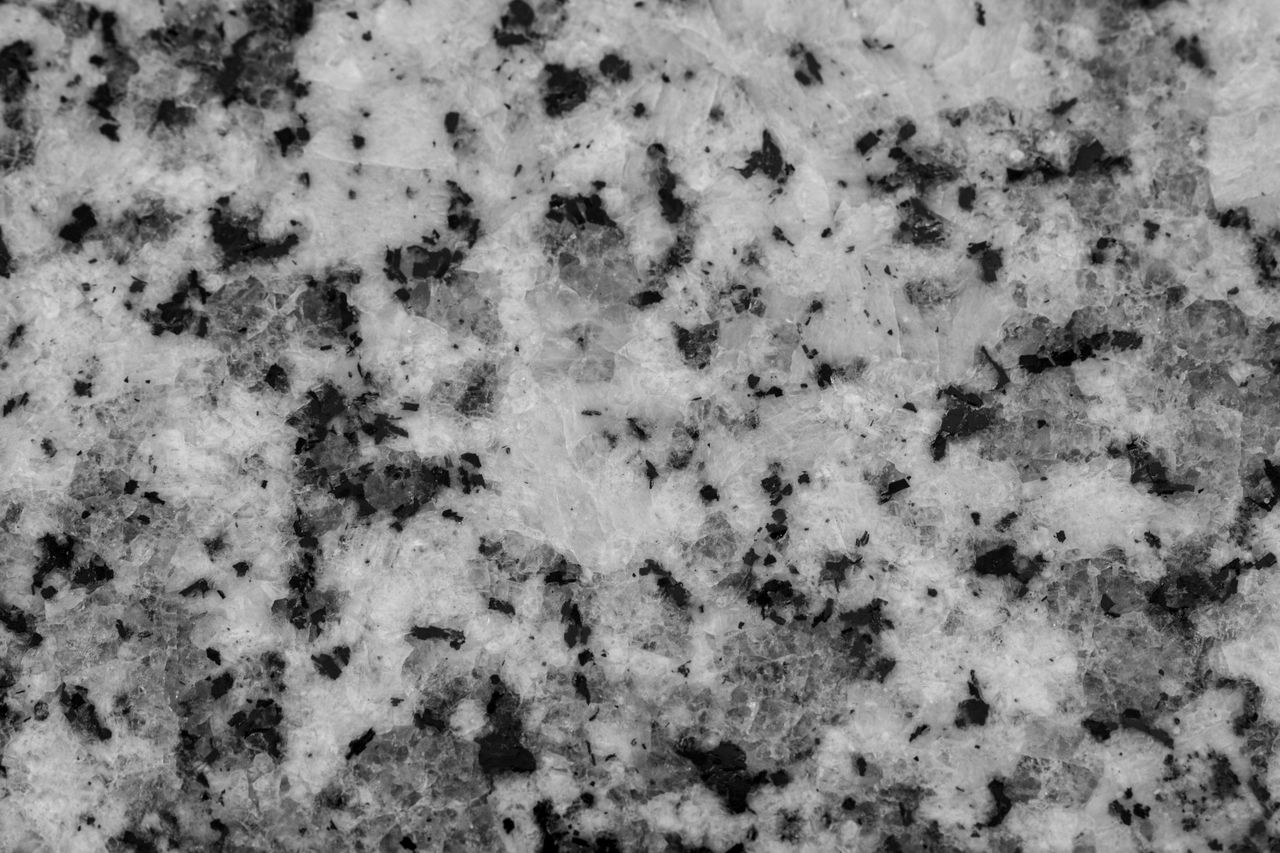
The granites from Iran are noted for their deep, consistent coloration, ranging from sleek blacks to earthy reds and greens. Their granular texture provides a timeless look suitable for kitchen countertops, facades, and heavy-use flooring.
Resistance to Wear and Tear
Due to its hardness, Iranian granite is highly resistant to scratches, stains, and heat, making it ideal for demanding environments.
Travertine: The Versatile Natural Stone
Travertine from Iran is unique due to its porous structure and warm color tones. It is ideal for:
Architectural Applications
Its texture allows for a variety of finishes including honed, polished, and tumbled, which are excellent for flooring, wall panels, and even decorative accents.
Durability
When properly sealed, Iranian travertine can withstand outdoor elements, making it a popular choice for patios, pool surrounds, and garden pathways.
Quality Standards and Certification
For international projects, quality assurance is paramount. Iranian stone suppliers often provide certification confirming compliance with international standards such as ISO and ASTM. Buyers should seek:
- Technical specifications including density, water absorption, and compressive strength
- Sample testing reports
- Guarantees on the stone’s origin and grading
Sourcing Iranian Stone: Tips for International Buyers
Purchasing natural stones from Iran requires careful planning and due diligence. Here are key considerations:
Identifying Reputable Suppliers
Work with established exporters who provide complete documentation, clear communication, and logistical support. Attending international stone fairs or visiting quarries can provide direct insight into the supplier’s capabilities.
Understanding Export Procedures
Iran has specific export regulations. Buyers should familiarize themselves with customs requirements, duties, and any sanctions-related restrictions. Utilizing experienced freight forwarders helps mitigate logistical challenges.
Inspecting Samples and Quality
Request physical samples and verify consistency with project specifications. Third-party inspections can further ensure compliance.
Shipping and Logistics Considerations
Shipping natural stones internationally involves challenges such as weight, fragility, and customs clearance. Best practices include:
- Selecting appropriate packaging to prevent damage during transit
- Choosing the right shipping method (sea freight is most common for heavy cargo)
- Coordinating timely delivery to align with project schedules
- Ensuring insurance coverage for the cargo
Environmental and Ethical Considerations
Modern buyers increasingly demand sustainability and ethical sourcing. Iranian quarries are progressively adopting environmentally responsible extraction methods and workplace safety standards. Buyers should inquire about:
- Environmental impact assessments
- Use of water recycling and dust control
- Worker welfare policies
Conclusion
Iranian marble, granite, and travertine present an exceptional opportunity for international buyers seeking high-quality natural stones at competitive prices. With its rich geological heritage and expanding export infrastructure, Iran stands out as a reliable source for international construction and design projects. By understanding the varieties, quality standards, and logistical considerations outlined in this guide, buyers can confidently integrate Iranian stones into their projects, ensuring durability, beauty, and value.
Frequently Asked Questions
What are the most popular Iranian marble varieties?
Isfahan white marble, Mashhad marble, and Nadori marble are among the most sought-after due to their color purity and veining patterns.
How does Iranian granite compare to other global sources?
Iranian granite matches international standards in terms of hardness and aesthetics, often offered at more competitive pricing due to local extraction efficiencies.
Can Iranian travertine be used outdoors?
Yes, when properly sealed and maintained, Iranian travertine is suitable for a variety of exterior applications.
What should buyers consider regarding shipping?
Due to the weight and fragility of stone slabs, buyers should prioritize secure packaging, reliable freight services, and insurance to protect their investment.
Are there any import restrictions on Iranian stones?
Import regulations vary by country; buyers must verify current trade policies and sanctions applicable to their region before procurement.