Best Natural Stone for Hot Climate Regions: A Complete Guide
Introduction
Choosing the right natural stone for construction or landscaping in hot climate regions requires careful consideration of several factors, including heat resistance, durability, and aesthetics. Natural stone not only enhances the visual appeal of a space but also offers longevity and sustainability. However, the intense heat and UV exposure characteristic of hot climates can impact the performance and appearance of certain stones. This comprehensive guide explores the best natural stone options suited for hot climates, helping architects, builders, and homeowners make an informed choice.
Why Choose Natural Stone for Hot Climates?
Natural stone has been a preferred building material for centuries due to its timeless beauty and structural integrity. In hot climate regions, selecting the appropriate stone is crucial because:
- Heat Resistance: Some stones absorb and retain heat, making outdoor spaces uncomfortable.
- Durability: Natural stones must withstand thermal expansion and contraction without cracking.
- UV Stability: Prolonged sun exposure can cause discoloration or surface degradation.
- Low Maintenance: Stones that require minimal upkeep are ideal in harsh climates.
Key Characteristics of Natural Stone for Hot Climates
Thermal Conductivity and Heat Absorption
Stones with low thermal conductivity do not transfer heat quickly, which helps maintain cooler surfaces underfoot. Lighter-colored stones typically reflect more sunlight, reducing heat absorption compared to darker stones.
Porosity and Water Absorption
Porosity affects how stones interact with moisture. Highly porous stones can absorb water, which in hot climates can lead to faster weathering and damage through evaporation cycles.
Durability and Hardness
The ability of stone to resist abrasion and impact is crucial, especially in outdoor applications exposed to harsh weather conditions and foot traffic.
Color Stability Under UV Exposure
UV radiation can cause some stones to fade or change color over time. Stones with inherent UV stability maintain their natural hues longer, preserving aesthetic appeal.
Top Natural Stones Recommended for Hot Climates
1. Travertine
Travertine is a classic choice for hot climates due to its excellent thermal properties. It remains cool to the touch even in intense heat, making it ideal for pool decks, patios, and outdoor flooring.
- Heat Resistance: High
- Porosity: Moderate, can be sealed to enhance durability
- Color Range: Earthy tones including beige, cream, and rust
Its natural texture provides excellent slip resistance, and its timeless appearance complements Mediterranean and desert-style architecture.
2. Limestone
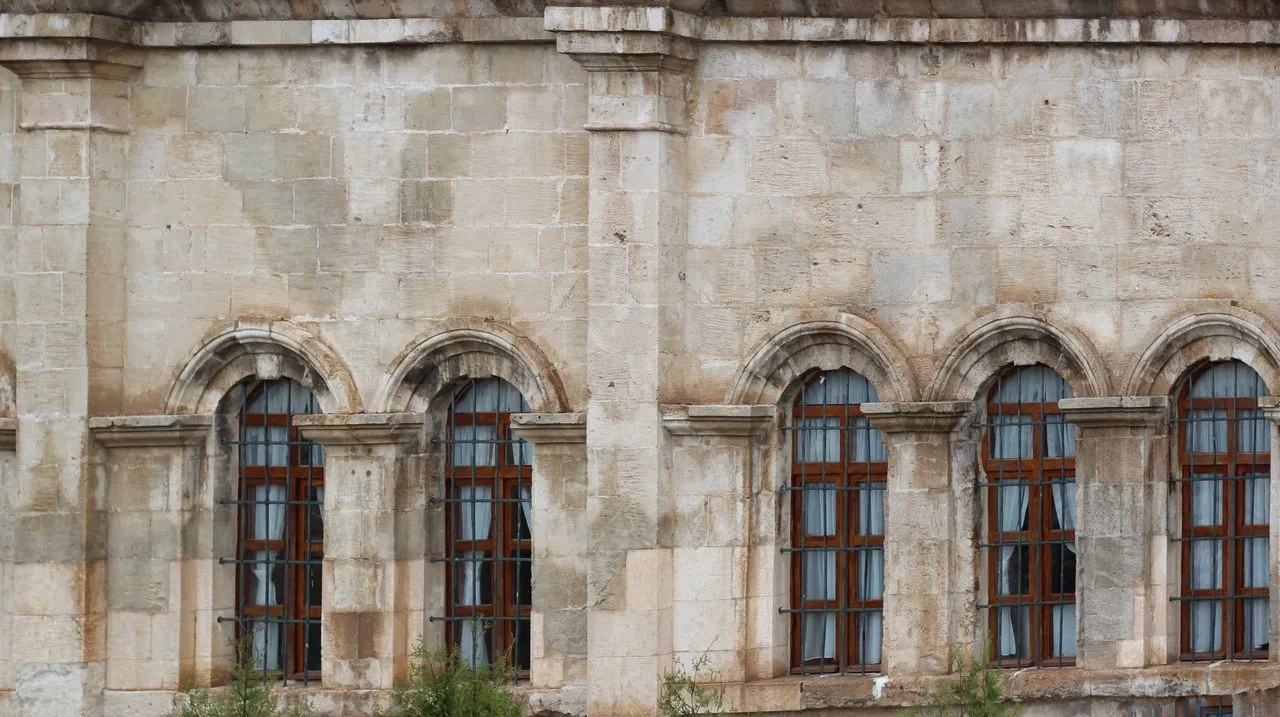
Limestone is another popular option characterized by its light color and cool surface. It performs well under direct sunlight and is often used for façades, flooring, and landscaping.
- Heat Resistance: Moderate to high
- Porosity: Moderate, requires sealing
- Color Range: Whites, creams, and light grays
While softer than granite, proper maintenance ensures longevity even in harsh heat conditions.
3. Sandstone
Sandstone offers a unique textured surface and a broad color palette, making it a versatile choice for hot climates.
- Heat Resistance: High
- Porosity: Moderate to high, sealing recommended
- Color Range: Reds, browns, yellows, and tans
Its thermal properties keep surfaces relatively cool, and its natural grain provides grip, making it suitable for walkways and patios.
4. Granite
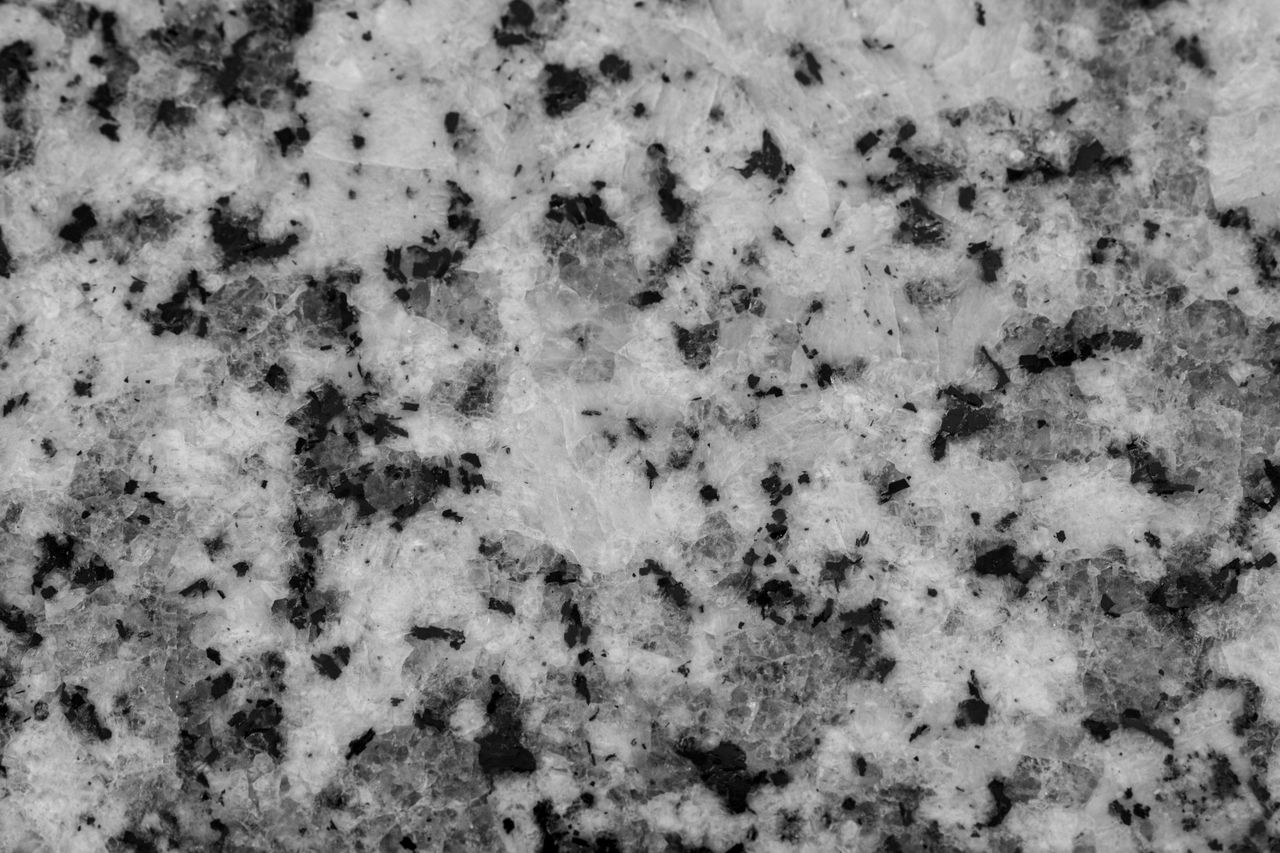
Granite is one of the hardest natural stones, highly resistant to weathering and thermal stress. While darker granites absorb more heat, lighter varieties perform better in hot climates.
- Heat Resistance: Very high
- Porosity: Low
- Color Range: Wide range including light pinks, whites, and grays
Its durability and low maintenance make it ideal for countertops, outdoor steps, and high-traffic areas.
5. Quartzite
Known for its exceptional hardness and resistance to heat, quartzite is an excellent choice for hot environments.
- Heat Resistance: Very high
- Porosity: Low to moderate
- Color Range: Whites, blues, and earthy tones
Quartzite’s dense structure minimizes water absorption and resists fading, ensuring longevity in outdoor applications.
Factors to Consider When Selecting Natural Stone for Hot Climates
Maintenance Requirements
Natural stones vary in the level of maintenance they require. Stones like travertine and sandstone may need periodic sealing to protect against stains and weathering, whereas granite and quartzite generally require less upkeep.
Installation Techniques
Proper installation is critical to accommodate thermal expansion and prevent cracking. Using flexible adhesives and allowing for expansion joints can enhance stone longevity.
Aesthetic Compatibility
The choice of stone should harmonize with the architectural style and landscape design. Light-colored stones typically suit hot climates better by reflecting sunlight and maintaining visually cooler environments.
Environmental Impact
Selecting locally sourced stone reduces transportation emissions and supports sustainable construction practices.
How to Care for Natural Stone in Hot Climates
Effective care extends the lifespan and preserves the appearance of natural stone. Recommended practices include:
- Regular Cleaning: Use pH-neutral cleaners to avoid damage.
- Sealing: Apply sealants periodically to reduce porosity and stain vulnerability.
- Shade and Ventilation: Incorporate shading elements and ensure good airflow to reduce heat stress.
- Inspection: Regularly check for cracks or discoloration to address issues early.
Conclusion
Selecting the best natural stone for hot climate regions involves balancing thermal properties, durability, aesthetic appeal, and maintenance needs. Stones like travertine, limestone, sandstone, granite, and quartzite stand out as reliable choices that can withstand intense heat while enhancing the beauty of any space. By understanding the unique characteristics of each stone and considering local environmental factors, you can ensure a sustainable, comfortable, and visually stunning outcome for your construction or landscaping project.
Investing in the right natural stone not only elevates your property’s value but also guarantees performance and longevity in demanding hot climates.