The Ultimate Guide to Selecting Stone Finishes for Modern Architecture
Introduction: The Importance of Stone Finishes in Modern Architecture
Stone has been a fundamental material in architecture for centuries, and its relevance continues to thrive, especially in modern design. The selection of the right stone finishes plays a critical role in defining the aesthetic appeal, durability, and functional performance of architectural projects. This comprehensive guide will explore the various stone finishes used in contemporary architecture and provide expert advice on how to select the optimal finish to complement modern design principles.
Understanding Stone Finishes
Stone finishes refer to the surface texture and appearance achieved through different treatment methods. These finishes impact not only the look and feel of the stone but also influence its maintenance, weather resistance, and structural suitability.
Why Stone Finishes Matter
Choosing the appropriate finish is crucial because it affects:
- Aesthetics: The surface texture can dramatically influence the visual style—ranging from sleek and polished to natural and rugged.
- Functionality: Certain finishes improve slip resistance or weather durability, aligning with the environmental conditions and intended use.
- Maintenance: Some finishes require more upkeep, while others are more resistant to staining or erosion.
Popular Stone Finishes for Modern Architecture
Modern architecture often emphasizes clean lines, minimalist aesthetics, and the blending of natural materials with innovative design. Below are the most prevalent stone finishes used to achieve these goals.
1. Polished Finish
The polished finish is achieved by grinding the stone surface to a high gloss. It reveals the stone’s natural colors and patterns vividly, making it ideal for interiors and accent walls.
- Characteristics: Smooth, reflective surface with enhanced color depth.
- Best for: Interior flooring, countertops, feature walls.
- Considerations: Can be slippery when wet, requires regular maintenance to retain shine.
2. Honed Finish
Honied stone has a matte or satin-like surface, created by stopping the polishing process before achieving a high gloss. It offers a more subtle and sophisticated look.
- Characteristics: Smooth but non-reflective surface with muted color tones.
- Best for: Flooring, walls, exterior cladding.
- Considerations: Easier to maintain than polished finishes and less slippery.
3. Flamed Finish
The flamed finish results from applying high-temperature flames to the stone surface, causing the crystals to burst and create a rough texture.
- Characteristics: Textured, non-slip surface with a natural appearance.
- Best for: Exterior walkways, pool surrounds, facades.
- Considerations: Highly slip-resistant but less suitable for indoor polished aesthetics.
4. Bush-Hammered Finish
This finish is achieved by mechanically hammering the stone surface to create a uniformly pitted texture.
- Characteristics: Rough, tactile surface with a rugged aesthetic.
- Best for: Exterior cladding, pavements, accent walls requiring texture.
- Considerations: Durable and slip-resistant; ideal for high-traffic exteriors.
5. Sandblasted Finish
Sandblasting involves blasting the stone surface with sand or other abrasive materials, resulting in a consistent, slightly rough texture.
- Characteristics: Matte, granular finish that enhances slip resistance.
- Best for: Outdoor flooring, walls, and facades.
- Considerations: Can vary in texture based on sand pressure and grit size.
Selecting the Right Stone Finish: Factors to Consider
Choosing the appropriate stone finish is a multidimensional decision. Here are the key factors architects and designers must consider.
1. Architectural Style and Aesthetic Goals
Modern architecture favors minimalist and clean aesthetics, often complemented by honed or polished finishes for their smooth and refined looks. However, integrating textured finishes like flamed or bush-hammered can add contrast and interest, particularly in outdoor spaces.
2. Function and Usage
Consider the stone’s location and functionality. For instance, polished finishes are excellent indoors but may pose slip hazards outdoors. Textured finishes provide better traction and durability for exterior applications.
3. Climate and Environmental Conditions
Environmental exposure impacts stone longevity. Rough finishes like flamed and bush-hammered resist weathering and erosion better in harsh climates. Areas with heavy rainfall or foot traffic often benefit from textured, slip-resistant finishes.
4. Maintenance Requirements
Polished stones typically require more upkeep to prevent dullness and staining. Conversely, honed and textured finishes generally demand less maintenance, making them suitable for high-traffic or exterior applications.
5. Stone Type Compatibility
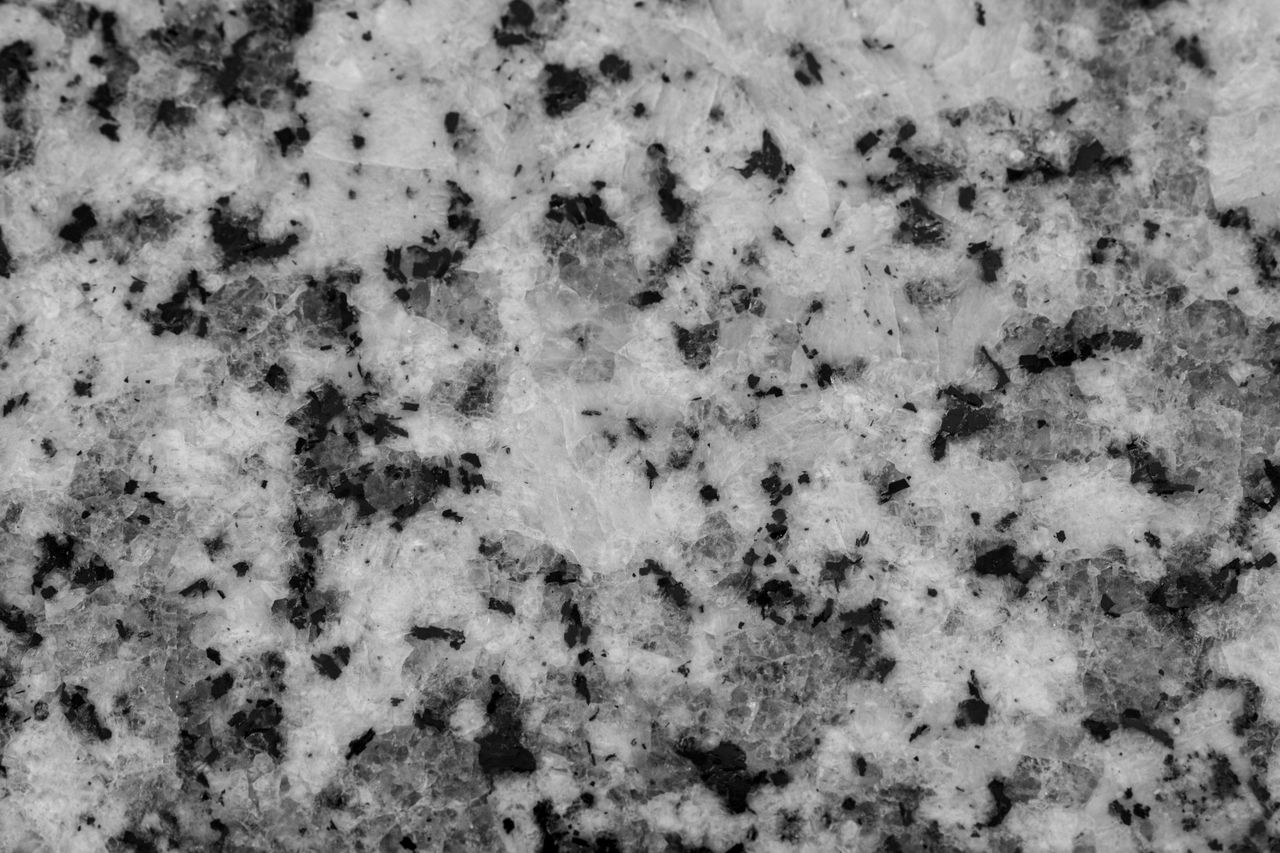
Not all stones respond well to every finishing technique. Granite, for example, is ideal for flamed and polished finishes due to its hardness, while softer stones like limestone may suit honed or sandblasted finishes better.
Emerging Trends in Stone Finishes for Contemporary Architecture
Modern advancements in stone finishing technologies and aesthetic preferences continue to evolve. Some notable trends include:
1. Hybrid Finishes
Combining different finishes on the same stone surface—for example, polished centers with sandblasted borders—creates dynamic visual effects that emphasize architectural features.
2. Eco-Friendly and Sustainable Treatments
Increasing attention to sustainability has inspired the use of chemical-free finishing techniques and sourcing stone from environmentally responsible quarries.
3. Customized Textures and Patterns
Laser etching and CNC machining enable precise, repeatable surface patterns that add unique textures while maintaining stone integrity.
Practical Tips for Working with Stone Finishes
- Sample Testing: Always request samples with the desired finish to evaluate aesthetics and compatibility with your project environment.
- Consult Professionals: Collaborate with experienced stone fabricators and installers to ensure the finish is achievable and durable.
- Consider Safety: For flooring applications, prioritize finishes that meet slip resistance standards relevant to your climate and usage.
- Plan for Maintenance: Develop a maintenance schedule based on the finish and expected wear to prolong the stone’s lifespan.
- Integration with Other Materials: Ensure the stone finish complements other materials like metal, glass, or wood to create a cohesive architectural language.
Conclusion
Selecting the right stone finishes for modern architecture is both an art and a science. It requires balancing aesthetic desires with practical considerations such as durability, maintenance, and environmental compatibility. By understanding the characteristics of various finishes and their suitability for different applications, architects and designers can elevate their projects with stone surfaces that are as functional as they are visually compelling.
Whether aiming for sleek minimalism or embracing textured naturalism, the thoughtful selection of stone finishes is essential to achieving architectural excellence in the modern era.