Choosing the Right Adhesive and Mortar for Granite Installation
Introduction
Granite is a favored material for countertops, flooring, and architectural elements due to its durability, aesthetic appeal, and timeless elegance. However, the longevity and performance of granite installations largely depend on the quality of the adhesive and mortar used. Choosing the right adhesive and mortar is not merely about bonding but ensuring structural integrity, resistance to environmental factors, and maintaining the visual appeal of the granite surface.
Understanding Granite as a Material
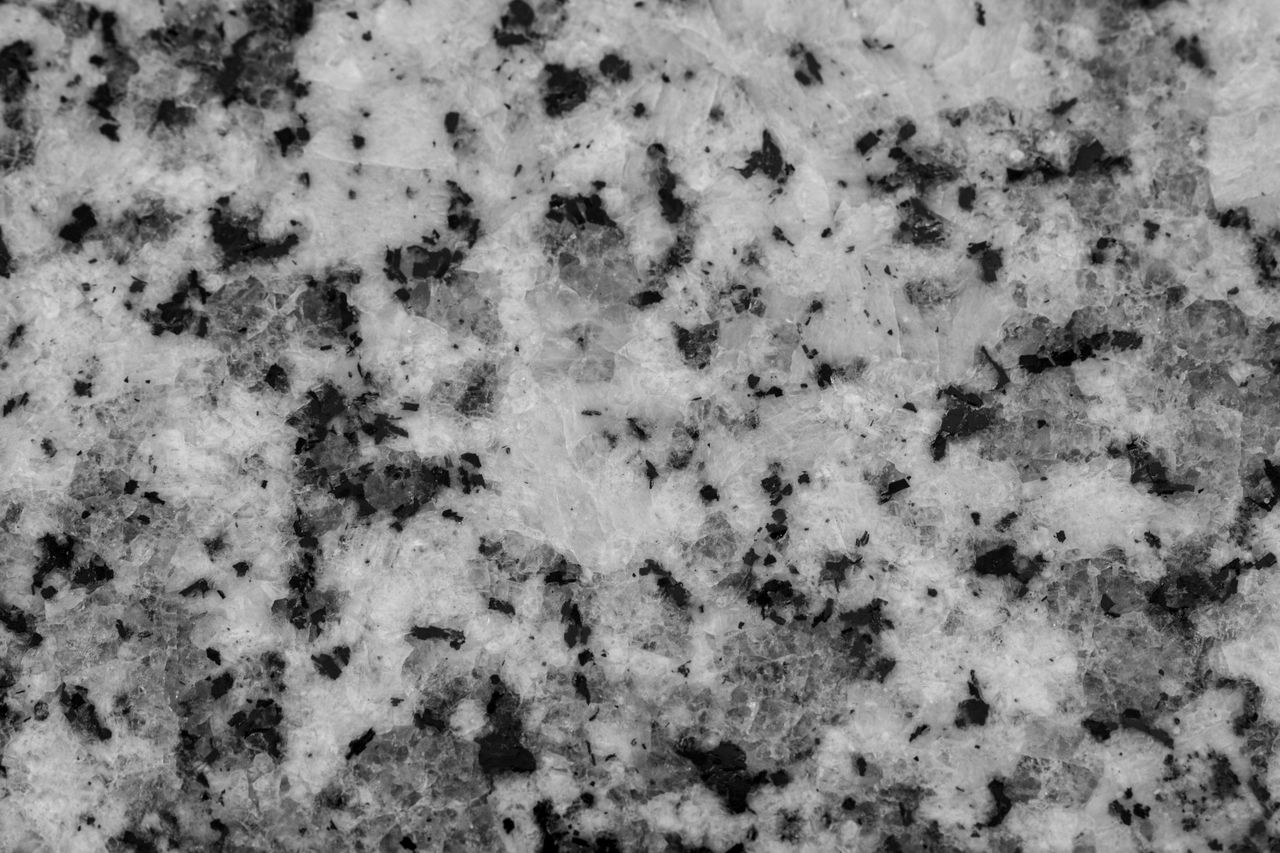
Before selecting adhesives or mortars, it’s important to understand granite’s physical properties. Granite is a dense, natural stone composed primarily of quartz, feldspar, and mica. Its hardness and low porosity mean that adhesives must form a strong, lasting bond while accommodating the stone’s weight and potential thermal expansion.
Key Properties of Granite Affecting Adhesive Choice
- Density and Weight: Granite is heavy, requiring adhesives with high tensile and shear strength.
- Surface Texture: Polished granite surfaces may require adhesives with excellent adhesion capabilities to smooth, non-porous surfaces.
- Thermal Expansion: The adhesive must accommodate slight movements caused by temperature changes without losing bond integrity.
Types of Adhesives for Granite Installation
The selection of adhesive depends on the specific application, environmental conditions, and installation surface. Below are common types of adhesives suitable for granite:
Epoxy Adhesives
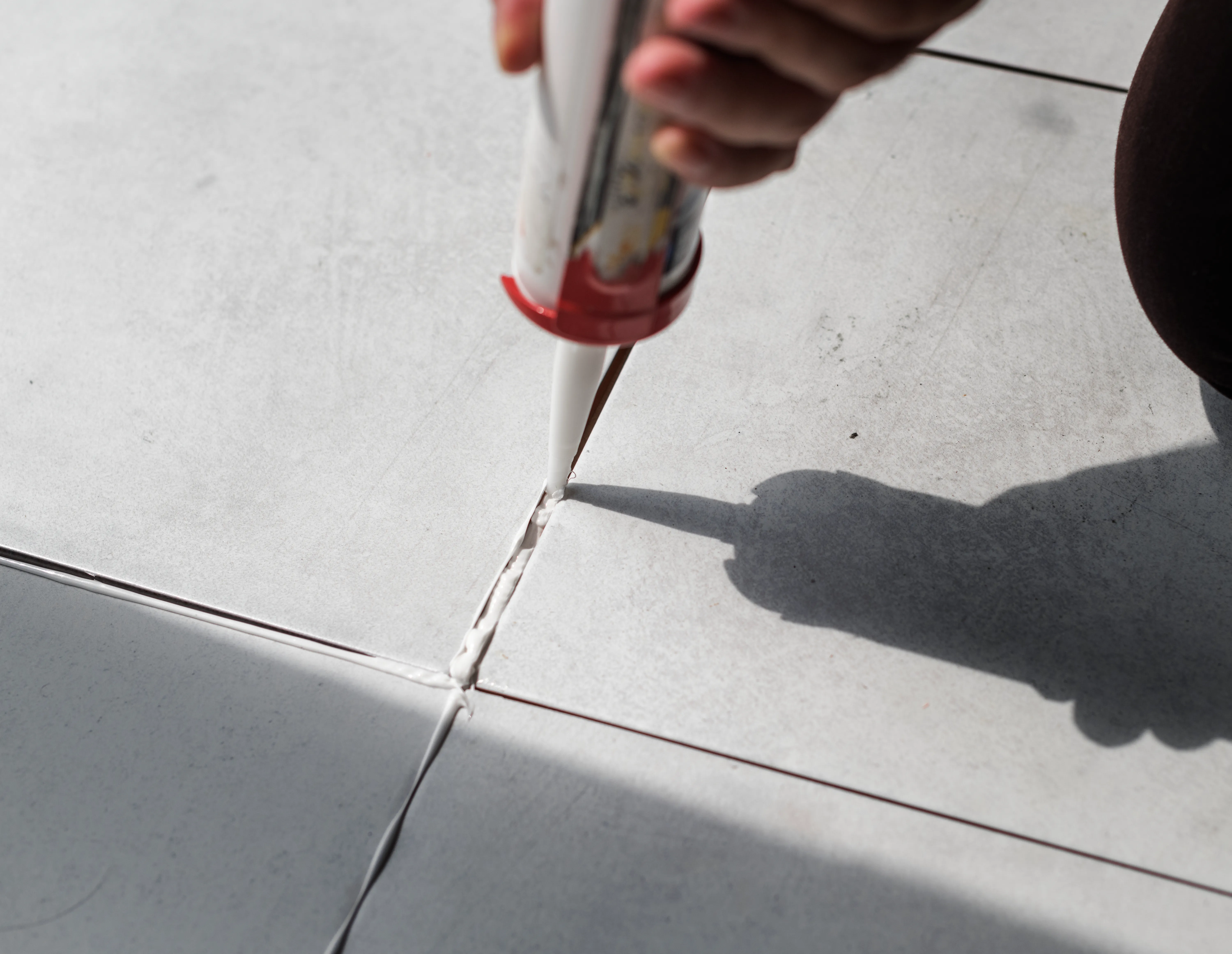
Epoxy adhesives are two-component systems known for their superior bond strength and chemical resistance. They are ideal for both indoor and outdoor granite installations, including countertops and facade cladding.
- Advantages: High strength, resistant to moisture and chemicals, and excellent gap-filling properties.
- Considerations: Require precise mixing and have a limited working time.
Polyurethane Adhesives
Polyurethane adhesives offer flexibility and good adhesion to various surfaces. They are resistant to impact and environmental factors, making them suitable for granite installations subject to movement or vibrations.
- Advantages: Flexible, moisture-curing, and strong adhesion on porous and non-porous surfaces.
- Considerations: Slower curing times compared to epoxy.
Chemical Anchors and Hybrid Adhesives
Hybrid adhesives combine properties of epoxy and polyurethane, offering versatility and ease of use. Chemical anchors are often used to fix granite slabs securely to structural elements.
Types of Mortar for Granite Installation
Mortar is commonly used in granite flooring, wall cladding, and exterior applications where mechanical bonding and leveling are necessary.
Cement-Based Mortars
Cementitious mortars are traditional and widely used for granite installation, particularly for floors and walls.
- Advantages: Cost-effective, easy to apply, and compatible with most substrates.
- Considerations: Limited flexibility and slower curing times; may require additives to enhance bonding.
Polymer-Modified Mortars
These mortars incorporate polymers to improve adhesion, flexibility, and water resistance.
- Advantages: Increased bond strength, reduced cracking, and better performance under moisture exposure.
- Considerations: Higher cost compared to traditional mortars.
Epoxy Mortars
Epoxy mortars combine epoxy resins with fillers for high-strength, chemically resistant bonding.
- Advantages: Exceptional bond strength, rapid curing, and resistance to chemicals and moisture.
- Considerations: Require skilled application and are more expensive.
Factors to Consider When Choosing Adhesive and Mortar
1. Application Type
Determine whether the granite is being installed as flooring, countertops, wall cladding, or exterior facades. This influences whether you need adhesives with more flexibility or mortars with enhanced strength.
2. Environmental Conditions
Consider exposure to moisture, temperature fluctuations, UV light, and chemical agents. Outdoor installations demand adhesives and mortars resistant to weathering and temperature extremes.
3. Substrate Compatibility
Ensure the chosen adhesive or mortar bonds well to the substrate, whether it’s concrete, wood, metal, or existing stone.
4. Structural Load and Movement
Heavy granite slabs require adhesives that can support the weight without failure. Additionally, areas subject to vibrations or movement need flexible bonding agents.
5. Aesthetic Considerations
Some adhesives and mortars can discolor or stain granite. Opt for products designed to minimize staining and maintain granite’s natural beauty.
Best Practices for Granite Installation Using Adhesive and Mortar
Surface Preparation
Clean and dry all surfaces thoroughly to remove dust, grease, or other contaminants. Roughen smooth substrates slightly to enhance mechanical bonding.
Correct Mixing and Application
Follow manufacturer instructions precisely, especially for two-component adhesives and polymer-modified mortars. Improper mixing can lead to poor bond strength and premature failure.
Proper Curing Time
Allow sufficient curing time before subjecting the installation to stress or load. Temperature and humidity affect curing; adjust timelines accordingly.
Use of Suitable Tools
Employ appropriate trowels, rollers, and clamps to ensure even application and proper adhesion. Avoid excessive adhesive that can squeeze out and cause staining.
Common Mistakes to Avoid
- Using the wrong adhesive type for the substrate or environment.
- Neglecting surface preparation, leading to weak bonds.
- Applying adhesive or mortar in unsuitable weather conditions (e.g., extreme cold or heat).
- Ignoring manufacturer guidelines on mixing ratios and curing times.
- Failing to accommodate thermal expansion and movement.
Conclusion
Choosing the right adhesive and mortar for granite installation is a critical decision that affects the performance, durability, and appearance of your project. By understanding granite’s unique characteristics, evaluating the installation environment, and selecting products that meet structural and aesthetic requirements, professionals can ensure successful and long-lasting granite installations. Always prioritize quality materials and follow best practices to uphold the integrity and elegance of granite surfaces.
Additional Resources
- Natural Stone Institute – Guidelines and technical resources for stone installation.
- Tile and Stone Installation Manuals – Comprehensive installation standards.
- Epoxy Adhesives Manufacturer – Product specifications and application techniques.