
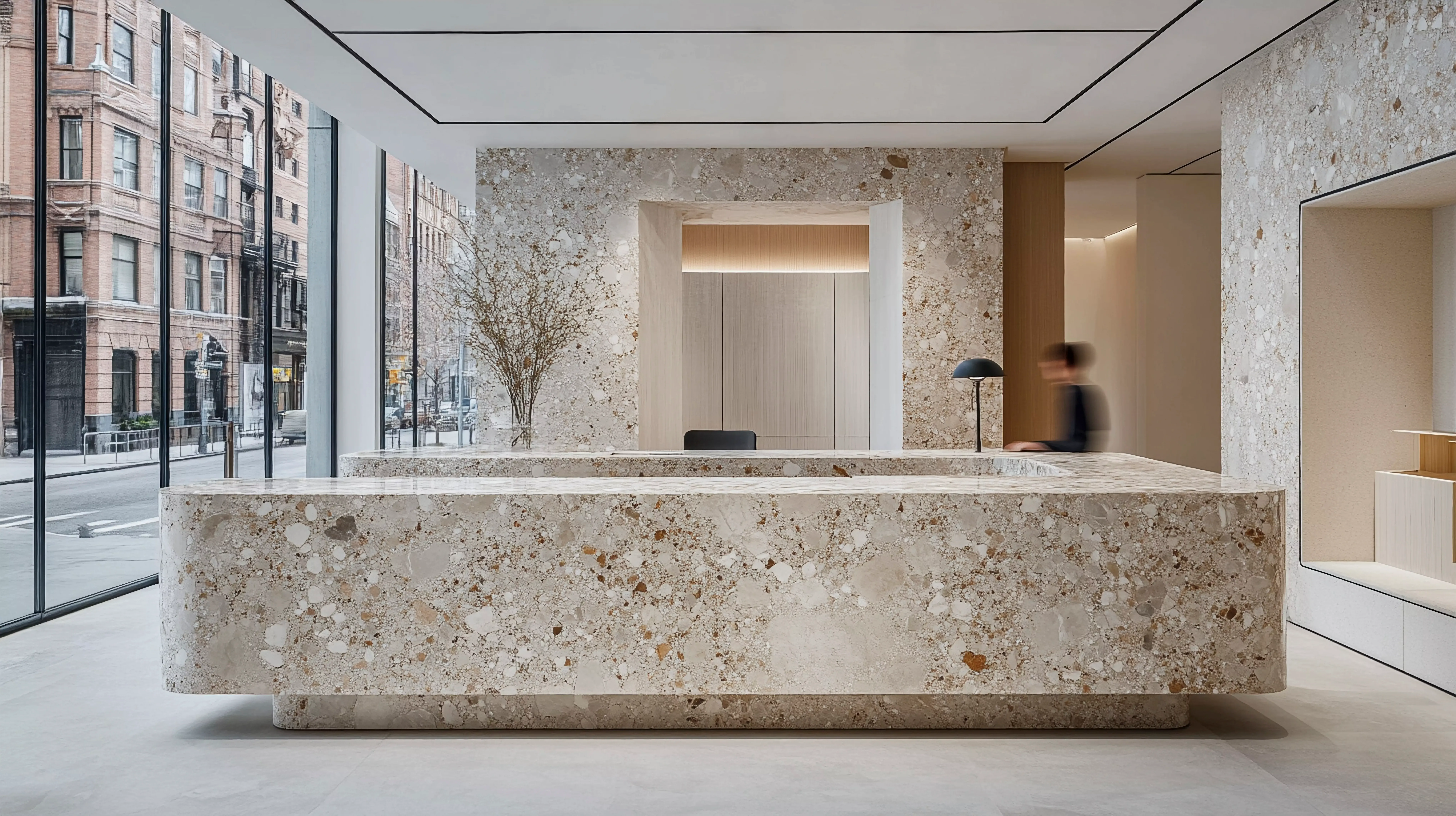
Why Commercial Projects Prefer Granite Over Other Materials
Introduction
In the realm of commercial construction and design, selecting the right materials is crucial for ensuring durability, aesthetic appeal, and cost-effectiveness. Among various options available, granite stands out as a preferred choice for many commercial projects worldwide. This preference is not arbitrary; it is grounded in granite’s exceptional properties that cater to the demanding requirements of commercial spaces.
The Superior Durability of Granite
One of the primary reasons commercial projects favor granite is its unparalleled durability. Granite is an igneous rock composed mainly of quartz, feldspar, and mica, which contribute to its hardness and resistance to wear and tear.
Resistance to Wear and Damage
Commercial environments often experience high foot traffic, frequent use, and exposure to various stresses. Granite’s hardness rating on the Mohs scale typically ranges between 6 and 7, making it significantly more resistant to scratches and abrasions compared to other materials such as marble or engineered stone.
Resistance to Stains and Chemicals
Granite’s dense composition makes it less porous than many alternatives, which reduces its susceptibility to staining from oils, chemicals, or spills common in commercial settings. When properly sealed, granite surfaces maintain their integrity and appearance for years, minimizing maintenance costs.
Aesthetic Advantages of Granite in Commercial Projects
Beyond durability, granite also offers an aesthetic versatility that appeals to architects and designers.
Variety of Colors and Patterns
Granite naturally occurs in a wide range of colors, from classic blacks and whites to vibrant pinks, blues, and greens. The unique grain patterns and mineral compositions allow each slab to have a distinct appearance, enabling commercial projects to achieve a customized and sophisticated look that is difficult to replicate with synthetic materials.
Timeless Elegance
The natural elegance of granite conveys a sense of quality and permanence that aligns with the image many commercial enterprises seek to project. Whether used for flooring, countertops, facades, or accent walls, granite adds a refined touch that enhances brand identity and customer perception.
Cost-Effectiveness Over Time
While granite may have a higher initial cost compared to some materials, its long-term value is often superior.
Longevity Reduces Replacement Costs
Given granite’s robustness, commercial projects rarely need to replace granite installations, unlike other materials that may degrade quickly under similar conditions. This longevity translates into fewer interruptions and lower lifecycle costs.
Low Maintenance Requirements
Granite does not require intensive upkeep beyond periodic cleaning and resealing. This reduces operational expenses and the need for specialized maintenance staff, which can be a considerable advantage for commercial properties.
Sustainability and Environmental Considerations
As sustainability becomes a priority in construction, granite offers several environmental benefits.
Natural and Abundant Resource
Granite is a natural stone that requires relatively low processing compared to engineered materials. Its abundance ensures that quarrying granite does not lead to rapid depletion of resources, unlike some exotic materials.
Recyclability and Reusability
Granite can be reclaimed and repurposed effectively, contributing to circular economy practices. Its durability also means that less frequent replacement leads to reduced waste generation over the lifespan of a building.
Comparison With Other Common Commercial Materials
Understanding granite’s advantages is clearer when compared with alternative materials frequently used in commercial projects.
Granite vs. Marble
While marble offers a luxurious look, it is softer and more porous than granite, making it prone to scratching and staining. For commercial settings requiring robust surfaces, granite is typically preferred for its greater resilience.
Granite vs. Engineered Stone
Engineered stones like quartz composites provide consistency in appearance but may lack the natural beauty and heat resistance of granite. Additionally, engineered stones often involve more complex manufacturing processes.
Granite vs. Concrete
Concrete is cost-effective and versatile but can crack over time and requires sealing. Granite provides superior longevity and aesthetic appeal, which can justify its higher upfront cost in many commercial applications.
Applications of Granite in Commercial Projects
Granite finds diverse applications across different commercial settings due to its multifaceted benefits.
Flooring and Paving
Granite’s durability and slip resistance make it an excellent choice for high-traffic flooring in lobbies, corridors, and outdoor plazas.
Countertops and Work Surfaces
In commercial kitchens, laboratories, and retail environments, granite countertops offer a hygienic, heat-resistant, and easy-to-clean surface.
Facades and Cladding
Granite’s ability to withstand weathering makes it ideal for building exteriors, enhancing both protection and curb appeal.
Conclusion
Granite’s combination of strength, beauty, long-term cost efficiency, and environmental friendliness positions it as the material of choice for numerous commercial projects. Its ability to meet demanding functional and aesthetic standards ensures that it will remain a staple in commercial construction and design for years to come.
For developers, architects, and facility managers aiming to invest in materials that offer reliability and elegance, granite presents a compelling solution that outperforms many alternatives.