Solid Color vs. Veined Stones: Which One Fits Your Space?
Introduction
Choosing the perfect stone for your space is a decision that blends aesthetics, functionality, and personal taste. Among the myriad options available, two styles often stand out: solid color stones and veined stones. Each offers distinct visual appeal and practical qualities that can transform your interiors or exteriors. In this article, we will delve deep into the characteristics, advantages, and considerations of solid color and veined stones to help you decide which fits your space best.
Understanding Solid Color Stones
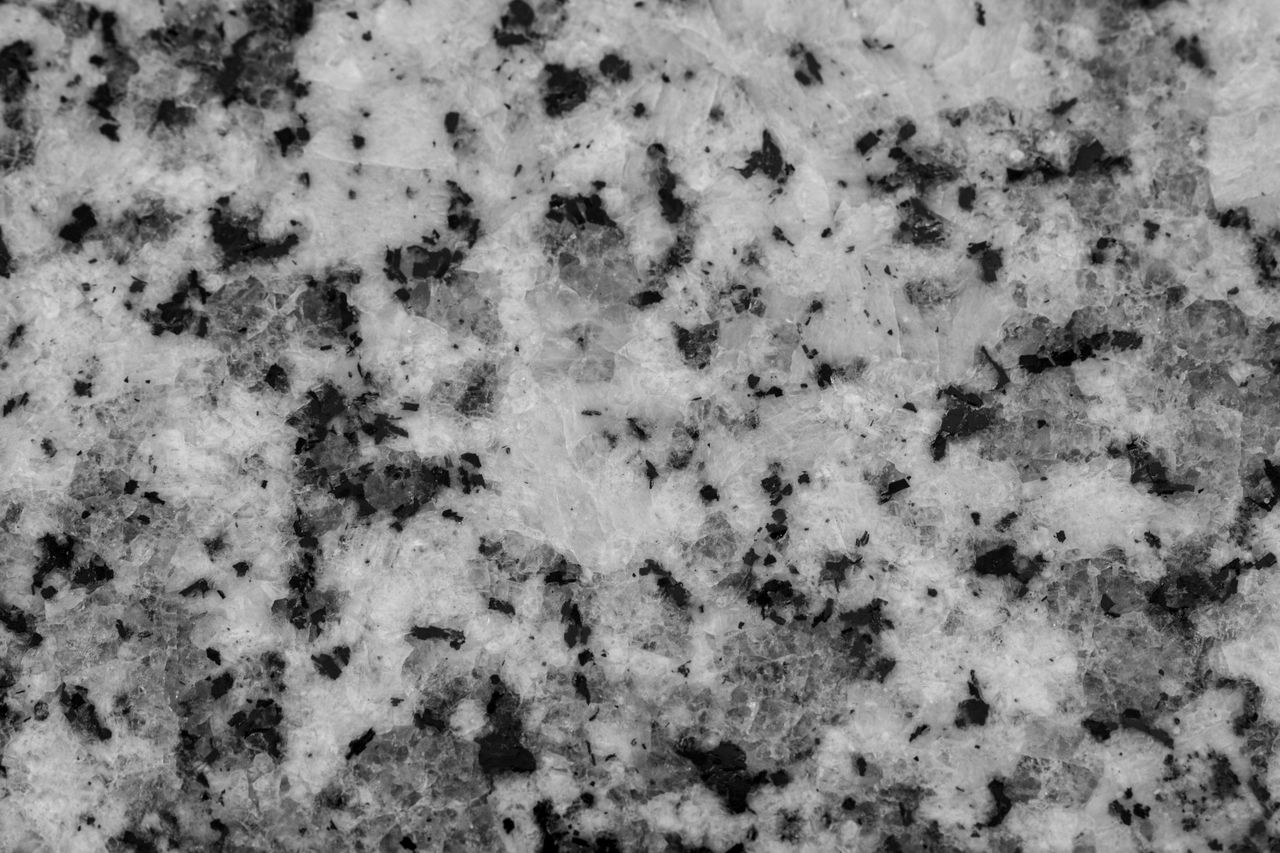
Solid color stones are characterized by their uniform coloration and texture. These stones offer a consistent look without significant variations or patterns across their surface. Popular materials in this category include quartz, granite, and certain types of engineered stone.
Visual Appeal and Design Flexibility
The uniformity of solid color stones makes them a versatile choice for various design styles. Their simplicity offers a clean, modern aesthetic that can complement minimalist, contemporary, or traditional spaces without overwhelming other design elements.
Solid color stones act as a neutral backdrop, allowing other features such as cabinetry, fixtures, and decorative accents to shine. They can also harmonize well with bold colors and intricate patterns elsewhere in the room.
Durability and Maintenance
Many solid color stones, especially quartz and granite, are prized for their durability. They typically resist scratches, stains, and heat, making them suitable for high-traffic areas like kitchens and bathrooms.
Maintenance tends to be straightforward. Since the uniform color conceals minor scratches or blemishes less effectively than a veined stone might, it’s important to choose a finish and material that hold up well over time.
Exploring Veined Stones
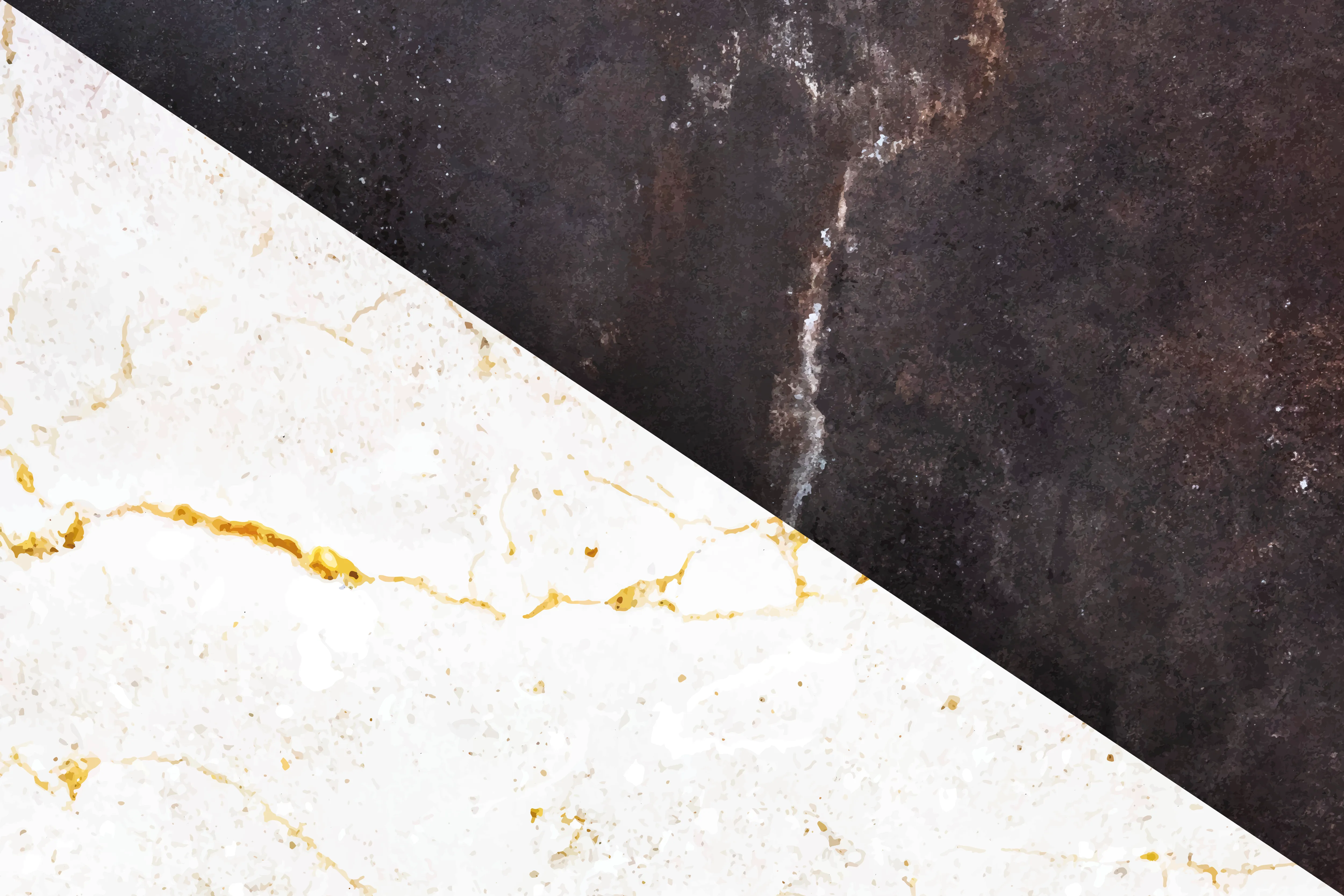
Veined stones feature distinctive lines, streaks, or patterns, created naturally or through manufacturing processes. Marble is one of the most iconic veined stones, but veining is also present in onyx, quartzite, and certain granites.
Unique Aesthetics and Character
The hallmark of veined stones is their individuality. No two slabs are exactly alike, which adds a bespoke element to your space. The veins form organic or dramatic patterns that can serve as the focal point of a room.
Veined stones often imbue interiors with a sense of luxury and sophistication. They are well-suited to spaces aiming for elegance, classic beauty, or a statement-making centerpiece.
Considerations for Use and Care
While veined stones are visually striking, their patterns can make matching slabs more challenging, especially for large installations. Careful planning is essential to ensure a coherent design flow.
Some veined stones, such as certain marbles, are more porous and may require sealing to prevent staining. They can be more susceptible to etching from acidic substances, so understanding the stone’s composition is vital for maintenance.
Comparing Solid Color and Veined Stones
Design Impact
Solid color stones contribute subtlety and modernity, ideal for understated elegance or to balance busy design elements. Veined stones bring drama and personality, perfect for accent walls, countertops, or flooring that demands attention.
Cost and Availability
Pricing varies depending on the stone type, rarity, and finish. Veined stones, especially exotic marbles, often come at a premium due to their unique patterns and sourcing challenges. Solid color stones can be more readily available, offering budget flexibility.
Installation and Matching
Solid color stones’ uniformity simplifies installation and matching, reducing waste and complexity. Veined stones require skilled installers to align veins and patterns, potentially increasing labor costs.
Longevity and Maintenance
Both stone types can be durable, but the choice of material within each category matters significantly. Solid colors may show wear differently than veined stones, and veined stones might demand more attentive care to preserve their beauty.
Practical Tips for Choosing the Right Stone
Assess Your Space and Style
Consider the overall design concept of your space. If you lean towards minimalism or want your furnishings to stand out, solid color stones may be preferable. For spaces aiming for a dramatic or classic aesthetic, veined stones could be the right choice.
Evaluate Usage and Traffic
High-use areas like kitchens and bathrooms require durable, low-maintenance stones. Solid color quartz or granite are excellent choices here, whereas veined marbles might better suit low-traffic, decorative spaces.
Sample Large Areas
When possible, view large slabs of stone in person and consider lighting conditions. Veining and color consistency can look different under various lightings, influencing your perception of the stone.
Consult Professionals
Work with designers and fabricators who can provide insights into installation feasibility, maintenance, and cost. Their expertise can ensure the stone complements your space perfectly and performs to expectations.
Conclusion
Deciding between solid color and veined stones hinges on your design goals, lifestyle needs, and budget. Solid color stones offer timeless simplicity and versatility, while veined stones provide unique character and visual interest. By understanding the strengths and considerations of each, you can select a stone that not only fits your space aesthetically but also supports its functionality for years to come.