Travertine vs. Artificial Stone: A Comprehensive Cost-Benefit Analysis
Introduction to Travertine and Artificial Stone
When selecting materials for flooring, countertops, or exterior cladding, the choice between natural and manufactured stones is pivotal. Travertine, a natural limestone variant, has been favored for centuries for its aesthetic appeal and durability. Artificial stone, on the other hand, represents a synthetic alternative engineered to mimic natural stone’s appearance while offering benefits in cost and versatility.
This article provides an in-depth cost-benefit analysis of travertine versus artificial stone, considering price, durability, installation complexity, maintenance, and aesthetic qualities, aiding homeowners, architects, and designers in making an informed selection.
Understanding Travertine
Composition and Characteristics
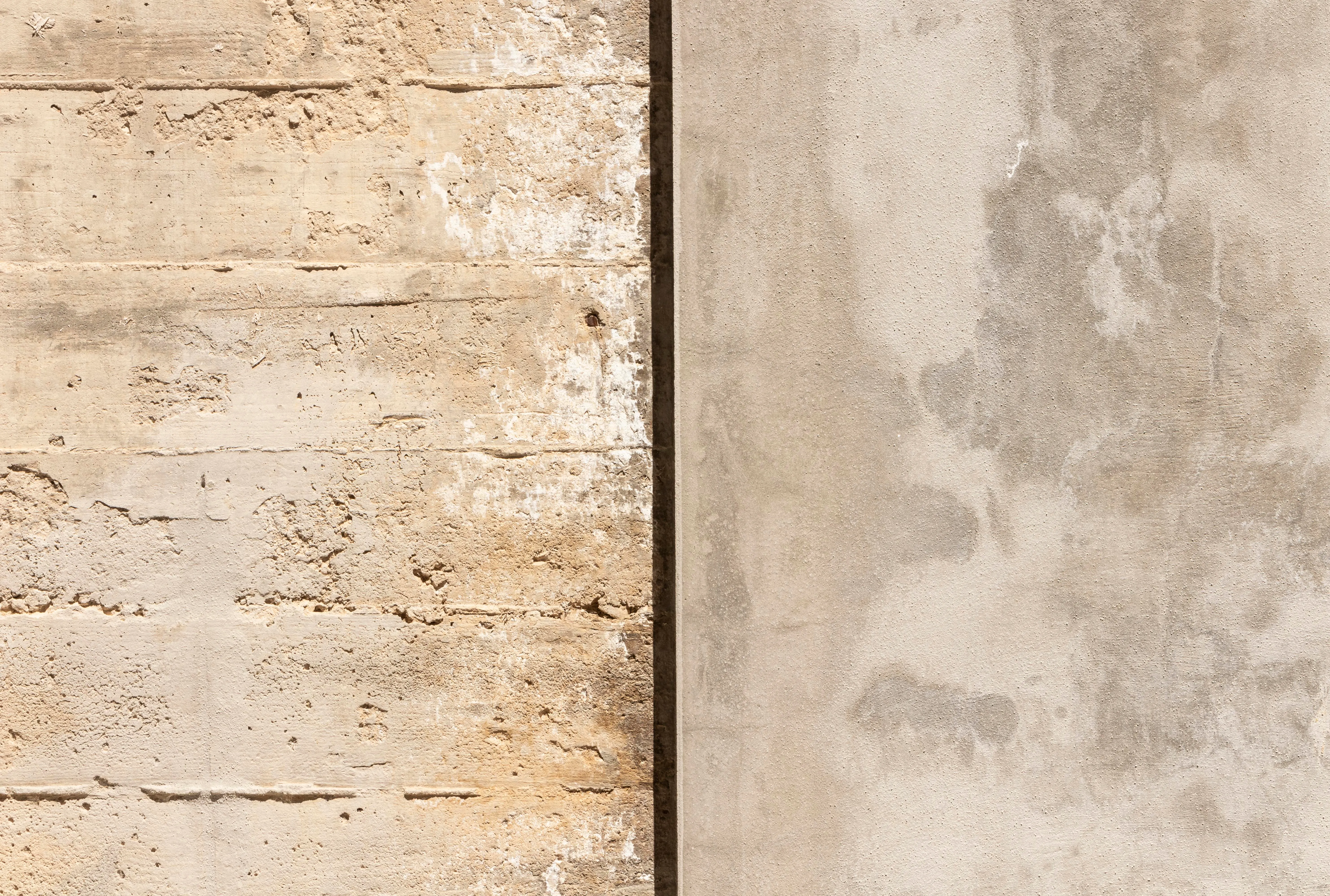
Travertine is a type of sedimentary rock formed by the precipitation of carbonate minerals in hot springs and limestone caves. Known for its distinctive porous surface and earthy tones, travertine is valued for its natural beauty and unique veining patterns. Its porous nature often requires sealing to enhance durability.
Applications in Construction
Used extensively in flooring, wall cladding, patios, and bathroom surfaces, travertine offers a timeless look. Its natural texture provides slip resistance, making it suitable for outdoor applications. The material ages gracefully, developing a patina that enhances its character.
Understanding Artificial Stone
Composition and Manufacturing
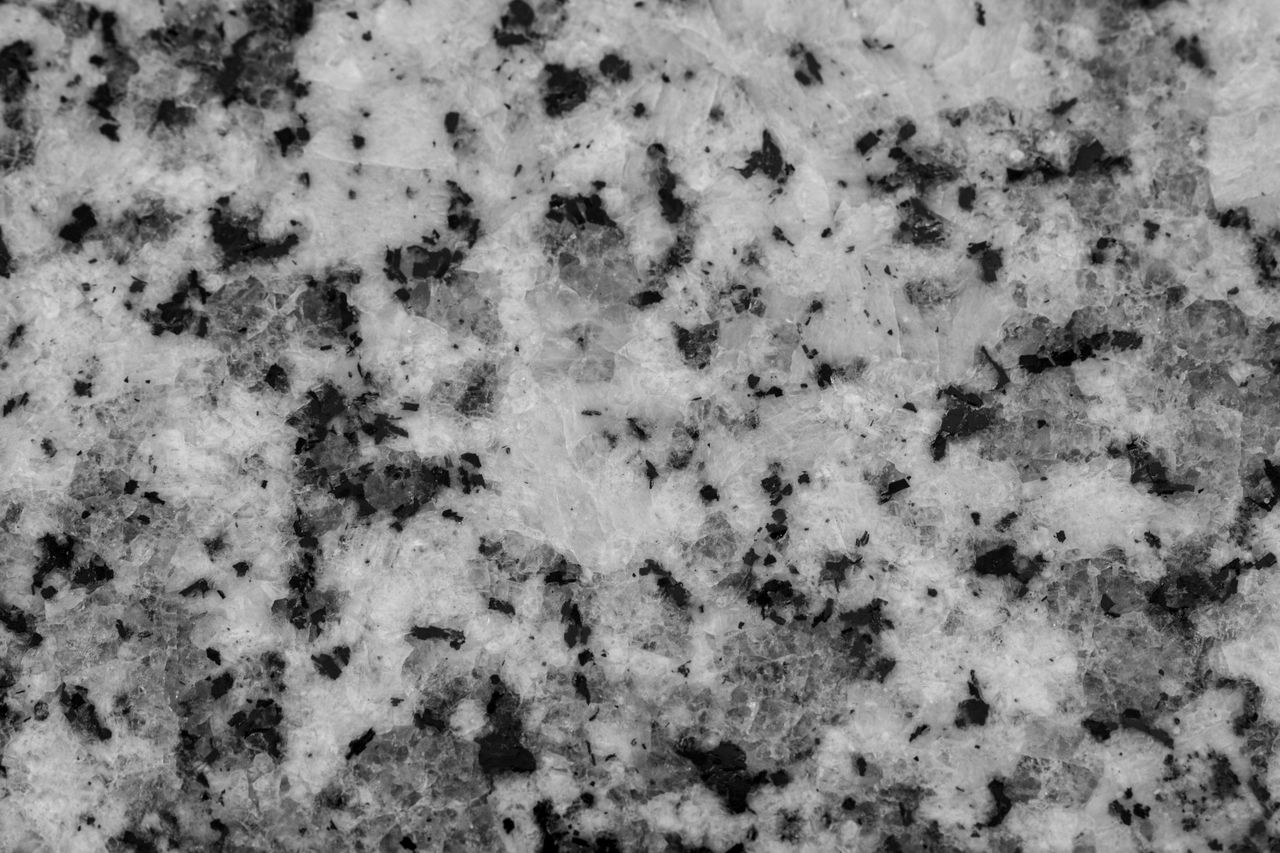
Artificial stone is typically composed of crushed natural stone aggregates combined with binding agents such as cement, resins, or polymers. These materials are molded and cured to create slabs or tiles that replicate the appearance of natural stones, including travertine. Production can be customized for color, size, and texture.
Applications in Construction
Its versatility has led to widespread use in interior and exterior surfaces, including countertops, flooring, facades, and decorative elements. Artificial stone is praised for offering uniformity and design flexibility, often at a lower price point compared to natural stone.
Cost Analysis
Material Cost
Travertine typically commands a higher price due to quarrying, processing, and transportation expenses. Prices range from $3 to $10 per square foot depending on quality and origin. Artificial stone generally costs between $2 and $6 per square foot, reflecting its mass production and lower sourcing expenses.
Installation Cost
Travertine requires skilled labor for cutting and fitting because of its natural variability and fragility, increasing installation costs. Artificial stone is easier to handle and install, often resulting in lower labor expenses. Installation costs for travertine can be 20-30% higher than for artificial stone.
Long-Term Financial Considerations
While travertine’s initial cost is higher, its longevity and natural aging can add value to properties. Artificial stone may require replacement or repairs sooner due to potential fading, chipping, or degradation, potentially increasing total lifecycle costs.
Durability and Maintenance
Durability of Travertine
Travertine is moderately durable but porous, making it susceptible to staining and etching if not properly sealed. It withstands heavy foot traffic and weathering but requires periodic sealing and care to maintain its integrity and appearance.
Durability of Artificial Stone
Artificial stone is engineered for enhanced durability, often exhibiting resistance to stains, scratches, and UV damage. However, its synthetic components may degrade over time, particularly with prolonged exposure to harsh environmental conditions.
Maintenance Requirements
Travertine’s porous surface necessitates regular sealing and gentle cleaning to prevent damage. Artificial stone typically requires less intensive maintenance, with straightforward cleaning routines and infrequent sealing. However, repairs can be more complicated if damage occurs.
Aesthetic Considerations
Visual Appeal of Travertine
Travertine’s natural origin ensures each piece is unique, offering authentic patterns and subtle color variations. Its warm, earthy tones complement a wide range of design styles, from rustic to contemporary.
Visual Appeal of Artificial Stone
Artificial stone can be produced in consistent colors and patterns, enabling uniform installations. Though advances in manufacturing have improved realism, some purists find artificial stone lacks the depth and character of genuine travertine.
Environmental Impact
Environmental Implications of Travertine
Quarrying travertine entails ecological disturbance and energy consumption, though it is a natural and biodegradable material. Responsible sourcing and sustainable quarrying practices mitigate negative effects.
Environmental Implications of Artificial Stone
Production of artificial stone involves synthetic materials and energy-intensive processes, which could contribute to environmental pollution and carbon footprint. However, its potential for recycling and lower transportation emissions may offset some impacts.
Summary of Key Benefits and Drawbacks
| Criteria | Travertine | Artificial Stone |
|---|---|---|
| Cost | Higher material & installation cost | Lower initial cost and installation |
| Durability | Long-lasting with proper maintenance | Engineered for durability but may degrade faster |
| Maintenance | Requires regular sealing and gentle care | Lower maintenance, easy cleaning |
| Aesthetics | Unique, natural appearance | Uniform, customizable look |
| Environmental Impact | Natural but involves quarrying impact | Manufacturing energy use, potential recyclability |
Conclusion: Making the Right Choice
The choice between travertine and artificial stone ultimately depends on project priorities. Travertine is ideal for those valuing authentic natural aesthetics and are prepared to invest in maintenance and upfront costs. Artificial stone suits projects with budget constraints, demand for uniformity, and lower maintenance requirements.
By weighing these factors carefully, stakeholders can select the material aligning best with their functional needs, design ambitions, and financial considerations.