Marble vs. Quartz: The Best Choice for Kitchen Countertops
Introduction to Kitchen Countertop Materials
Choosing the perfect countertop material is a pivotal decision in any kitchen renovation or new build. Countertops not only define the kitchen’s aesthetic but also influence durability, maintenance, and overall functionality. Among the plethora of options, marble and quartz remain two of the most popular and highly sought-after materials. Each offers distinct advantages, but understanding their characteristics is crucial to selecting the right fit for your needs.
Understanding Marble Countertops
What is Marble?
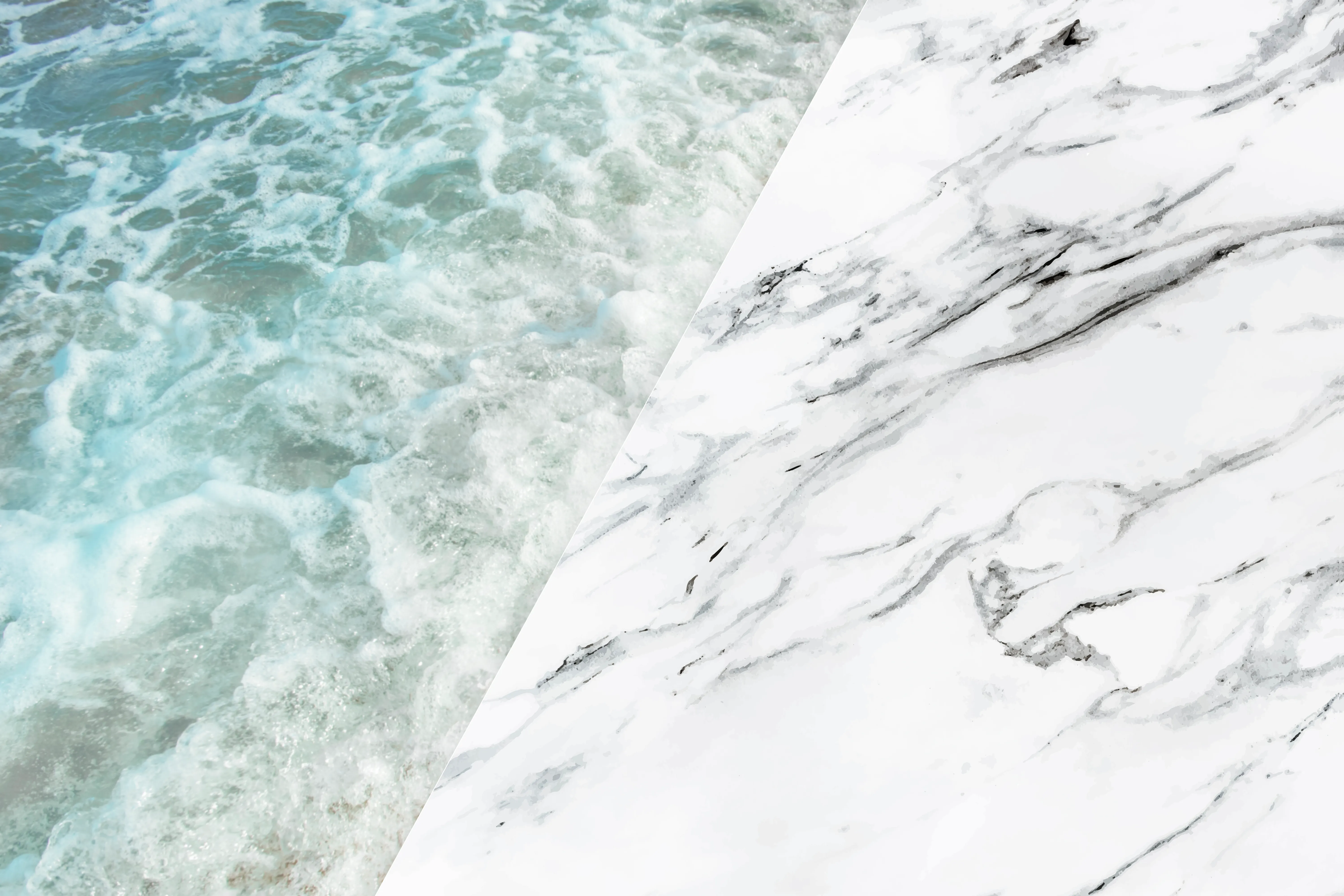
Marble is a natural stone formed from the metamorphism of limestone. It is prized for its classic beauty, unique veining patterns, and luxurious appeal. Each slab of marble is distinct, offering a one-of-a-kind visual texture that can elevate any kitchen design.
Advantages of Marble in the Kitchen
- Timeless Elegance: Marble’s natural veining and glossy finish bring a sophisticated and elegant atmosphere to kitchens, especially in traditional and upscale settings.
- Heat Resistance: Marble stands up well to heat, making it ideal for baking spaces or areas where hot pots and pans might be placed temporarily.
- Cool Surface: The naturally cool temperature of marble is favored by bakers for rolling out dough and other culinary tasks.
Limitations of Marble Countertops
- Porosity and Staining: Marble is porous, making it susceptible to staining from acidic substances such as wine, lemon juice, and tomato sauce if not sealed properly and maintained regularly.
- Scratch and Etch Prone: The softer nature of marble means it can scratch and etch easily, especially when exposed to acidic cleaners or sharp utensils.
- Maintenance Requirements: Marble demands regular sealing and gentle cleaning to preserve its appearance, which can be labor-intensive.
Understanding Quartz Countertops
What is Quartz?
Quartz countertops are engineered surfaces composed of approximately 90-95% natural quartz crystals combined with resins, polymers, and pigments. This manufacturing process creates a non-porous, durable surface that mimics many natural stone aesthetics while enhancing performance.
Advantages of Quartz in the Kitchen
- Durability and Strength: Quartz is highly resistant to scratches, chips, and cracks, making it ideal for high-traffic kitchens.
- Non-Porous Surface: Unlike marble, quartz does not absorb liquids, significantly reducing the risk of stains and bacterial growth.
- Low Maintenance: Quartz surfaces require minimal upkeep—no sealing necessary—and can be cleaned easily with mild soap and water.
- Color and Pattern Variety: Engineered quartz offers a broader range of colors and patterns, including options that closely resemble natural marble but with increased durability.
Limitations of Quartz Countertops
- Heat Sensitivity: Quartz resins can be damaged by excessive heat, so placing hot pots or pans directly on the surface is discouraged.
- Cost Considerations: High-quality quartz can be expensive, sometimes rivaling or exceeding marble prices depending on the brand and pattern.
- Appearance: Although quartz can mimic natural stone, some purists prefer the authentic variation and depth of real marble.
Comparing Marble and Quartz: Key Factors
Durability
Quartz generally outperforms marble in durability due to its engineered composition, offering superior resistance to scratches, staining, and impacts. Marble’s softer surface requires more cautious use and maintenance.
Maintenance
Quartz is a low-maintenance option requiring no sealing and simple cleaning routines. Marble’s porous nature necessitates routine sealing and careful cleaning to prevent damage.
Aesthetic Appeal
Marble offers an unmatched natural elegance with unique veining patterns that quartz may replicate but not fully duplicate. Quartz provides consistent patterns and a wide palette of colors, catering to both modern and traditional tastes.
Cost
Both materials can be costly, but pricing varies widely based on quality, source, and installation complexity. Marble’s rarity and extraction process often push its price higher, while quartz cost depends largely on brand and design.
Environmental Considerations
Marble is a natural resource but requires energy-intensive quarrying and transportation. Quartz production involves resin and polymers, which have environmental impacts. Choosing locally sourced materials and brands committed to sustainability can mitigate these concerns.
Which is the Best Choice for Your Kitchen?
The decision between marble and quartz ultimately depends on your lifestyle, design preferences, and willingness to maintain your countertops.
Choose Marble If:
- You prioritize authentic, natural stone beauty and unique veining.
- You are prepared for regular maintenance and careful use.
- Your kitchen is more for light cooking and occasional entertaining.
- You want a timeless statement piece that adds luxury and value.
Choose Quartz If:
- You seek a durable, scratch- and stain-resistant surface that handles heavy kitchen use.
- You prefer an easy-to-maintain countertop with consistent appearance.
- You want a wide selection of colors and patterns to complement contemporary designs.
- You desire a practical, hygienic surface suitable for busy family kitchens.
Installation and Longevity Considerations
Both marble and quartz countertops require professional installation to ensure proper fitting, sealing (in the case of marble), and finishing. The lifespan of these materials can span decades if cared for properly, making the upfront investment worthwhile.
Conclusion
Marble and quartz each present compelling advantages for kitchen countertops. Marble offers unparalleled natural beauty and classic charm, while quartz delivers superior durability and minimal upkeep. By assessing your kitchen usage, aesthetic goals, and maintenance preferences, you can confidently select the material that best suits your home. Engaging with trusted suppliers and experienced fabricators will further ensure a successful and lasting countertop installation.
In the marble vs. quartz debate, there is no one-size-fits-all answer — only the best choice tailored to your unique kitchen needs.