The Most Durable Natural Stones for High-Traffic Areas
Introduction
In both residential and commercial settings, high-traffic areas demand materials that combine resilience with visual appeal. Natural stones have long been favored for their timeless beauty and robustness, but not all stones are created equal when it comes to durability. This article delves into the most durable natural stones suitable for high-traffic environments, helping you make an informed decision that balances endurance with style.
Understanding Durability in Natural Stones
Durability in natural stone refers to its ability to withstand wear, pressure, and environmental factors without deteriorating. This characteristic is influenced by the stone’s mineral composition, hardness, porosity, and resistance to abrasion.
Key Factors Affecting Stone Durability
- Hardness: Measured on the Mohs scale, hardness indicates a stone’s resistance to scratching and abrasion.
- Porosity: Stones with low porosity absorb less moisture, reducing the risk of staining and damage from freeze-thaw cycles.
- Density and Structure: Denser stones typically offer better strength and longevity under heavy foot traffic.
- Resistance to Chemicals: Especially important in commercial or outdoor settings where exposure to cleaning agents or pollutants is common.
The Most Durable Natural Stones for High-Traffic Areas
Below is a detailed overview of the top natural stones that excel in high-traffic contexts, combining durability with aesthetic versatility.
Granite
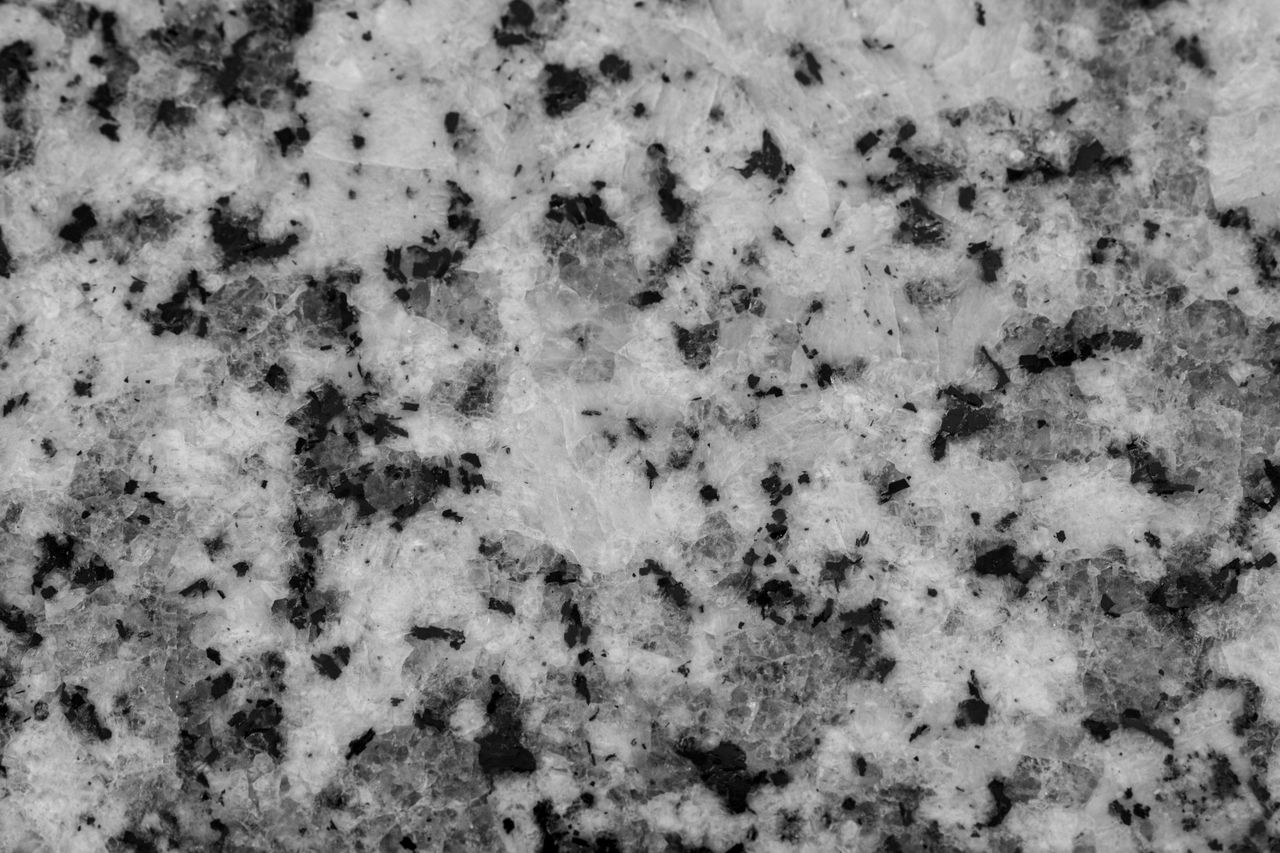
Granite stands out as one of the hardest and most durable natural stones available. Composed primarily of quartz and feldspar, it boasts a Mohs hardness rating between 6 and 7, making it exceptionally resistant to scratches and abrasion.
Its low porosity ensures minimal water absorption, which helps prevent staining and structural weakening over time. Granite’s dense crystalline structure also contributes to its ability to withstand heavy foot traffic without significant wear.
Available in a broad spectrum of colors and patterns, granite lends itself well to a variety of design schemes. Due to its durability, it is widely used in commercial lobbies, airport terminals, and busy retail spaces, as well as residential entryways and kitchens.
Quartzite
Often mistaken for marble due to its similar appearance, quartzite is actually much harder and more durable. With a Mohs hardness of 7, it resists scratching better than marble or limestone.
Quartzite’s natural resistance to acids and abrasion makes it ideal for both indoor and outdoor high-traffic areas. Its low porosity limits the chance of staining and degradation.
Architecturally, quartzite offers a stunning visual appeal with subtle veining and a glassy finish, enabling it to serve as a sophisticated flooring or cladding material that stands up to constant use.
Basalt
Basalt is a dense volcanic rock known for its dark coloration and exceptional durability. It carries a Mohs hardness of about 6, making it resilient against surface damage.
Its fine-grained texture and low porosity make basalt an excellent choice for outdoor patios, walkways, and high-traffic commercial flooring where slip resistance and durability are paramount.
Though less commonly used indoors due to its darker tones and matte finish, basalt provides a modern, minimalist aesthetic that complements industrial and contemporary designs.
Slate
Slate is a metamorphic rock that combines durability with a naturally textured surface, enhancing slip resistance. With a Mohs hardness between 4 and 5, it is less hard than granite or quartzite but still suitable for moderate to high-traffic areas.
Its low absorption rate prevents water damage, and it withstands temperature fluctuations well, making it popular for entryways, mudrooms, and exterior walkways.
Slate’s layered structure and variety of earthy tones provide a rustic elegance that can soften the look of busy spaces while maintaining functionality.
Travertine (with reservations)
Travertine is a form of limestone prized for its warm colors and natural pits and voids. While it has a lower hardness rating (around 3 to 4 on the Mohs scale), properly sealed travertine can perform well in moderate traffic areas.
However, due to its porosity and relative softness, travertine is less recommended for extremely high-traffic zones without regular maintenance and sealing. It is best suited for residential interiors or commercial spaces with controlled foot traffic.
Comparing Durability: Mohs Hardness and Other Metrics
| Stone | Mohs Hardness | Porosity | Best Uses |
|---|---|---|---|
| Granite | 6-7 | Low | Commercial flooring, countertops, entryways |
| Quartzite | 7 | Low | Flooring, wall cladding, outdoor applications |
| Basalt | 6 | Very Low | Outdoor patios, walkways, high-traffic floors |
| Slate | 4-5 | Low | Entryways, mudrooms, outdoor walkways |
| Travertine | 3-4 | Medium | Moderate traffic interiors, decorative flooring |
Installation and Maintenance Considerations
Durability extends beyond the inherent properties of the stone itself. Proper installation and consistent maintenance significantly influence the lifespan of natural stone surfaces.
Professional Installation
Ensuring a stable and well-prepared substrate, correct adhesive application, and expert grout work are essential steps in maximizing stone durability. Poor installation can lead to cracking, uneven wear, and premature failure.
Sealing and Cleaning
Most natural stones benefit from periodic sealing to protect against moisture and stains. The frequency depends on the stone type and the traffic it endures.
Cleaning protocols should involve pH-neutral products specifically formulated for natural stone to avoid surface damage.
Conclusion
Choosing the most durable natural stone for high-traffic areas requires careful consideration of the stone’s hardness, porosity, and maintenance needs. Granite and quartzite emerge as top contenders for spaces demanding both strength and aesthetic appeal, while basalt and slate serve specialized roles particularly suited to outdoor or textured applications.
Ultimately, pairing the right stone with expert installation and ongoing care ensures your high-traffic surfaces maintain their beauty and function for years to come.
Investing in durable natural stone is a long-term decision that pays dividends in longevity, safety, and style. Consult with a stone specialist or architect to select the ideal material tailored to your specific environment and usage requirements.