How to Select the Perfect Stone for Swimming Pools and Outdoor Spaces
Introduction
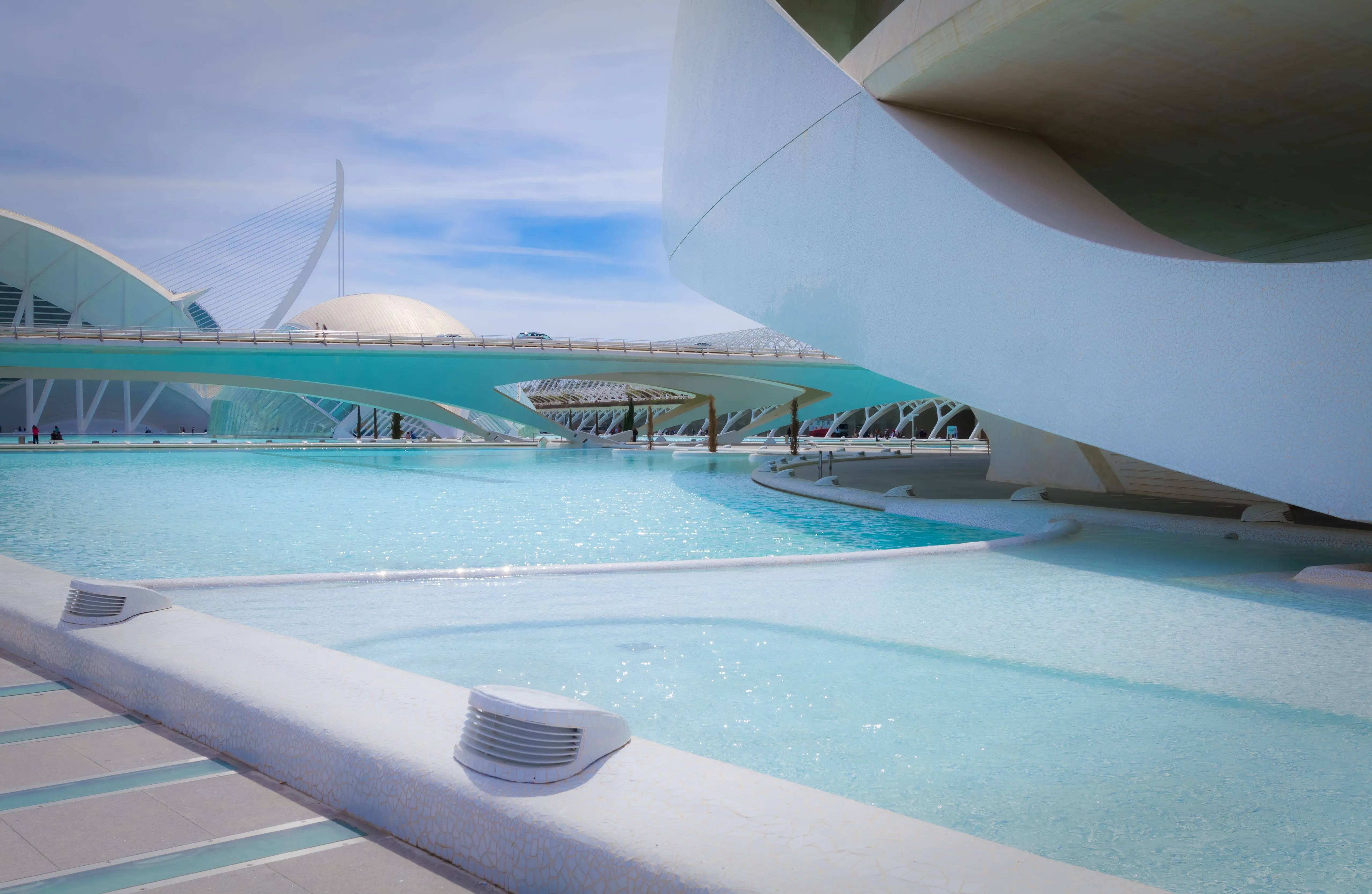
When designing swimming pools and outdoor spaces, the choice of stone plays a pivotal role in defining the aesthetics, safety, and longevity of the environment. Stone is not only a natural and elegant material but also highly durable, making it a preferred choice for pool surrounds, patios, walkways, and landscaping features. Selecting the perfect stone requires a balance of beauty, functionality, and practicality. This comprehensive guide explores the critical factors to consider and offers expert recommendations to ensure you choose the right stone for your project.
Understanding the Importance of Stone Selection
The stone you select impacts multiple aspects of your swimming pool and outdoor space:
- Durability: The stone must withstand weather changes, pool chemicals, and foot traffic.
- Safety: It should have slip resistance to prevent accidents, especially in wet conditions.
- Aesthetic appeal: Stone contributes to the overall look and feel, complementing your design vision.
- Maintenance requirements: Some stones require more upkeep than others.
Key Factors to Consider When Choosing Stone for Swimming Pools and Outdoor Spaces
1. Durability and Strength
Swimming pool areas are exposed to constant moisture, temperature fluctuations, and physical wear. Opt for stones that can endure these conditions without deteriorating. Hard stones like granite, travertine, and certain types of sandstone offer excellent durability. Avoid softer stones that tend to erode or stain easily.
2. Slip Resistance and Safety
Safety is paramount around pools. Choose stones with textured surfaces or natural cleft finishes to provide grip even when wet. Polished or smooth stones can be dangerously slippery. Materials like travertine and certain sandstones naturally offer a non-slip surface, reducing the risk of falls.
3. Heat Retention and Comfort
Outdoor stones absorb and retain heat from the sun. Stones that become excessively hot can cause discomfort or burns to bare feet. Light-colored stones reflect more sunlight and remain cooler, while dark stones absorb heat. Travertine and limestone are popular choices for their cooler surface temperatures.
4. Aesthetic Compatibility
Your stone choice should harmonize with the overall design of your outdoor space and home architecture. Consider color, texture, and pattern. Natural stones come in a variety of hues—from the warm earth tones of travertine and sandstone to the sleek greys and blacks of granite and basalt. Select a stone that complements your landscaping and pool design to create a cohesive look.
5. Maintenance and Longevity
Some stones require sealing to resist stains and protect against water penetration. Evaluate the maintenance level you are willing to commit to. Travertine, for example, may need periodic sealing, but its longevity justifies the effort. Granite is highly resistant and low maintenance but can be costly.
6. Cost Considerations
Budget plays a crucial role. Natural stone prices vary based on type, quality, origin, and installation complexity. Factor in not only the initial purchase but also installation and long-term maintenance costs. Sometimes investing in a higher-quality stone upfront saves money over time.
Popular Stone Options for Swimming Pools and Outdoor Spaces
Travertine
Travertine is a timeless choice for pool surrounds. Its porous texture provides excellent slip resistance, and its light color helps keep surfaces cool. Additionally, travertine’s natural beauty with its unique veining and patterns lends an elegant, Mediterranean feel. It requires sealing but offers great durability.
Sandstone
Sandstone offers warm, earthy tones and a natural cleft finish that enhances traction. It is durable but softer than granite and requires sealing to prevent staining. Sandstone’s versatility makes it suitable for patios and pool decks, blending seamlessly with natural landscapes.
Granite
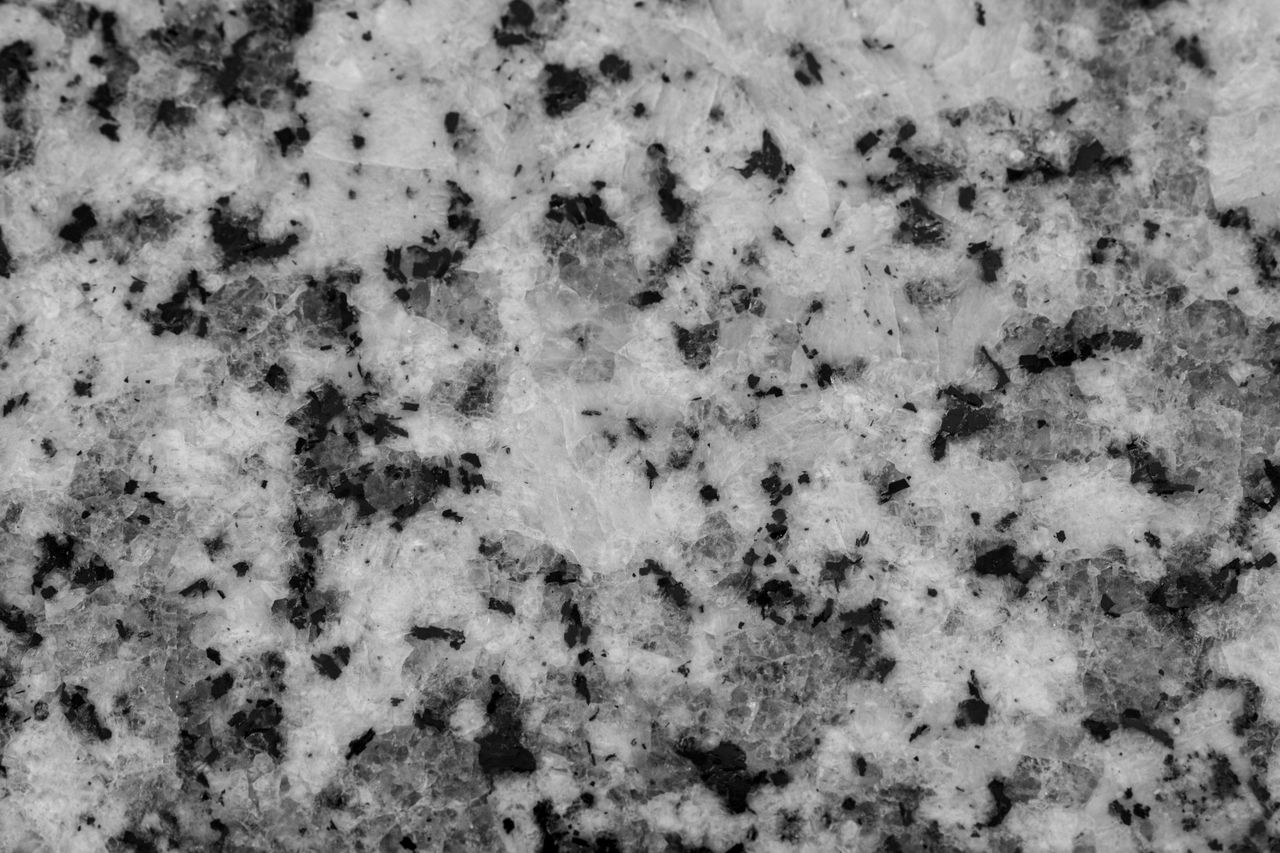
Granite is among the hardest natural stones, providing exceptional durability and resistance to wear. It is available in various colors and finishes but tends to be pricier. Because of its smooth surface, it may require a textured finish or anti-slip treatment to enhance safety around pools.
Limestone
Limestone is a softer stone with a subtle, elegant appearance. It is cooler underfoot and naturally slip-resistant but more susceptible to weathering and staining. Sealing is necessary to maintain its appearance and durability.
Slate
Slate offers rich, dark hues and a distinctive layered texture. It is slip-resistant and durable, making it suitable for pool areas. However, slate can be brittle and may chip under heavy impact, so proper installation is crucial.
Installation and Expert Tips
Proper installation is essential to maximize the beauty and lifespan of your stone surfaces. Engage experienced professionals who understand the nuances of working with natural stone around pools:
- Ensure a solid and well-drained substrate to prevent shifting and water pooling.
- Use appropriate adhesives and grouts compatible with outdoor and wet environments.
- Incorporate expansion joints to accommodate temperature changes and movement.
- Consider edge treatments that enhance safety and aesthetics.
Regular maintenance, including cleaning and resealing, will preserve the stone’s appearance and functionality.
Conclusion
Selecting the perfect stone for swimming pools and outdoor spaces requires thoughtful consideration of durability, safety, aesthetics, maintenance, and cost. Natural stone remains an unparalleled choice for creating elegant and enduring outdoor environments. By understanding the unique characteristics of different stones and working with experienced professionals, you can ensure that your pool area and outdoor spaces remain safe, beautiful, and inviting for years to come.
Invest wisely in your stone selection—it is an investment that enhances your property value and enriches your outdoor living experience.