Natural Stone Trends in Middle East Construction Projects for 2026
Introduction: The Resurgence of Natural Stone in Middle East Construction
The Middle East continues to be a global hub for ambitious architectural and construction projects, blending heritage with futuristic design. As 2026 unfolds, natural stone has re-emerged as a pivotal material choice, revered for its durability, aesthetic appeal, and sustainable attributes. This article explores the key trends influencing natural stone use in Middle Eastern construction, analyzing materials, design innovations, sustainability, and market dynamics that define the region’s evolving built environment.
Why Natural Stone Remains Relevant in the Middle East
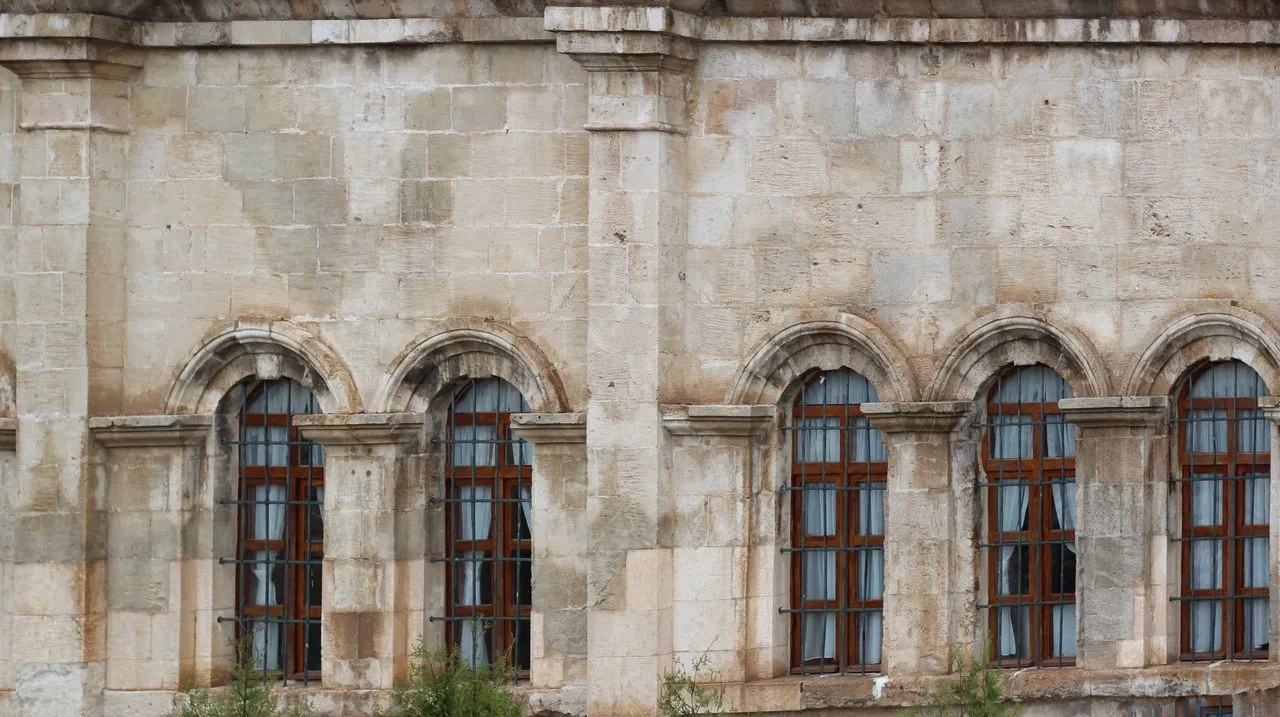
Natural stone’s enduring relevance in Middle Eastern architecture stems from multiple factors. Its thermal mass properties provide natural insulation against the region’s extreme temperatures, reducing reliance on artificial cooling. Moreover, natural stone resonates culturally, echoing the architectural heritage of ancient structures that have withstood centuries. Its versatility enables applications from grand façades to intricate interior detailing, catering to a spectrum of project scales and styles.
Durability and Longevity
One of natural stone’s most compelling advantages is its robustness. Middle Eastern climates—with blistering heat, sandstorms, and occasional humidity—pose challenges to many construction materials. Stones such as limestone, sandstone, and granite withstand these conditions with minimal degradation, ensuring longevity and reduced maintenance demands.
Aesthetic Sophistication
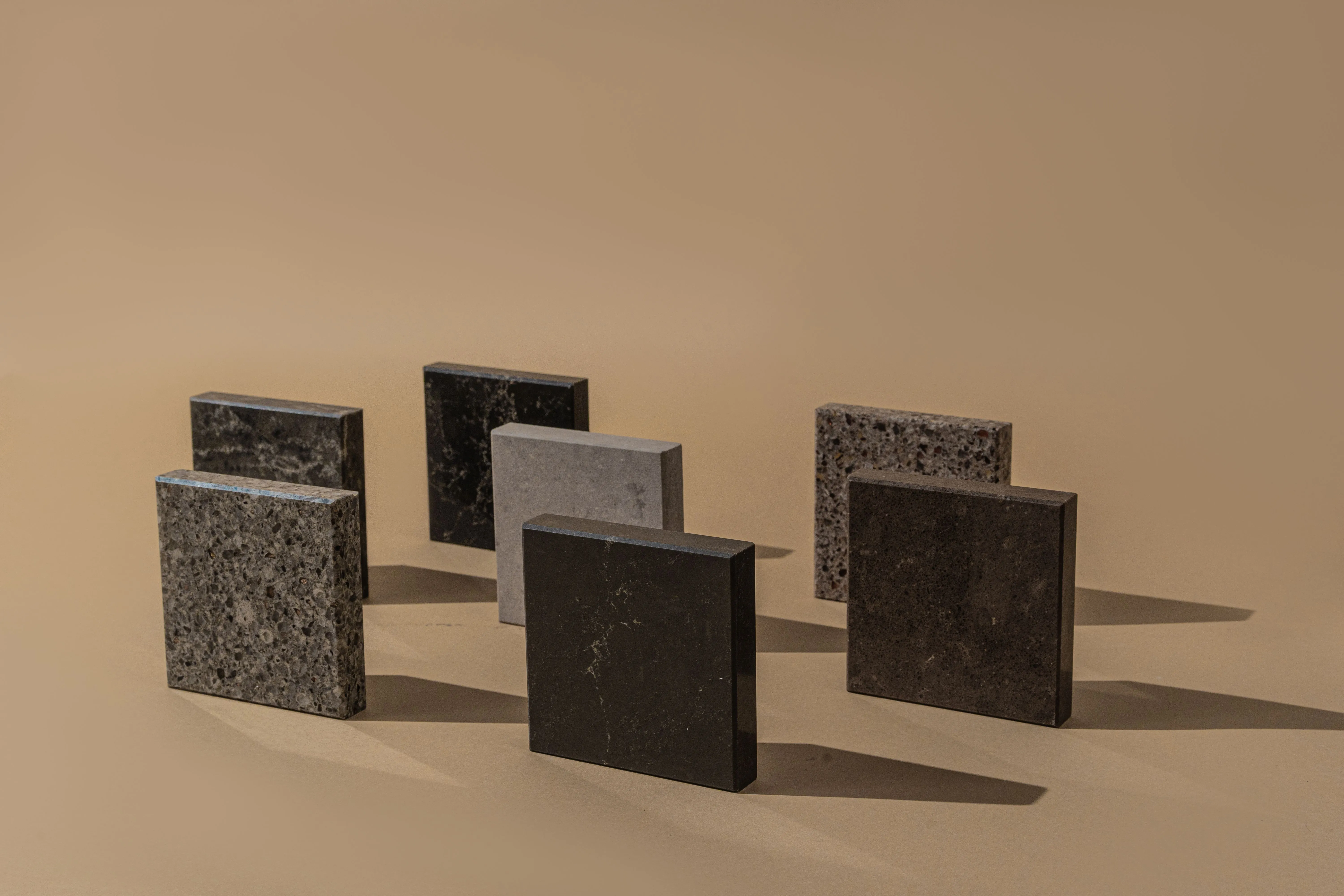
The inherent textures and patterns found in natural stone offer architects and designers a palette rich in variety and uniqueness. Each slab’s subtle variations produce a bespoke finish that synthetic alternatives often fail to replicate, lending projects a timeless elegance and authenticity.
Emerging Natural Stone Materials and Sources in 2026
Supply chains and quarrying technologies have evolved, enabling access to a broader range of stone types suitable for Middle Eastern projects.
Local Sourcing and Regional Stones
Countries like Oman, Jordan, and Saudi Arabia have ramped up efforts to promote local stone quarries, reducing transportation emissions and costs. Oman’s marble and sandstone varieties, for instance, are gaining traction, prized for their warm tones and resilience.
Exotic Imports and Hybrid Material Use
The desire for exclusivity drives the import of rare stones from Turkey, Italy, and India. Combining natural stone with modern composites is also a growing trend, balancing aesthetic appeal with structural flexibility.
Design Innovations Incorporating Natural Stone
2026 is witnessing groundbreaking approaches that push the boundaries of natural stone application in Middle Eastern construction.
Large-Format Stone Panels
Advanced fabrication techniques have enabled the production of larger stone panels, facilitating faster installation and creating sleek, uninterrupted surfaces on façades and interiors. These panels improve the modernist appeal sought in many commercial developments.
Intricate Stone Carvings Revived
In a nod to traditional Islamic art, there is renewed interest in handcrafted stone carvings and mashrabiya-inspired screens. These elements merge craftsmanship with functional shading and ventilation.
Integration with Smart Building Systems
Innovative projects integrate natural stone with embedded sensors that monitor structural health or thermal performance, illustrating a fusion of tradition and technology.
Sustainability and Environmental Impact Considerations
As sustainability becomes central to Middle Eastern construction, natural stone’s environmental profile is under scrutiny and transformation.
Eco-Friendly Quarrying Practices
Quarries are adopting water recycling, dust control, and habitat restoration initiatives to minimize ecological footprints. Certifications such as LEED and BREEAM increasingly influence stone selection, favoring suppliers with rigorous sustainability standards.
Life-Cycle Benefits
Natural stone’s durability translates into longer building lifespans and less frequent renovation cycles, contributing to resource conservation. Additionally, its recyclability aligns with circular economy principles gaining prominence in regional construction codes.
Market Outlook and Challenges
The natural stone sector in the Middle East is poised for growth, driven by large-scale infrastructure, luxury developments, and government investments in tourism and urbanization.
Price Dynamics and Supply Chain Resilience
While natural stone prices are subject to fluctuations based on quarry output and geopolitical factors, technological advancements in extraction and logistics are enhancing supply chain resilience.
Skilled Labor and Craftsmanship
The demand for skilled artisans capable of working with natural stone is rising, prompting educational initiatives and collaborations with international design institutions.
Case Studies: Landmark Projects Utilizing Natural Stone in 2026
Several high-profile projects exemplify natural stone’s impactful role in the region.
Luxury Hotels in Dubai
Incorporating white marble and limestone, these projects showcase sophisticated stone cladding paired with innovative lighting to highlight texture and depth.
Government Buildings in Riyadh
Utilizing local sandstone with intricate geometric motifs, these structures emphasize cultural identity while meeting modern performance standards.
Cultural Centers in Muscat
Natural stone mosaics and carved screens create immersive environments that celebrate Omani heritage.
Conclusion: The Future of Natural Stone in Middle Eastern Construction
Natural stone continues to assert its importance within the Middle East’s dynamic construction sector. Combining age-old benefits with contemporary innovations and sustainability commitments, it remains a cornerstone material for projects aiming to blend tradition with modernity. For industry stakeholders, keeping abreast of these trends is essential to harness natural stone’s full potential in shaping the region’s architectural legacy through 2026 and beyond.