How to Identify High-Quality Marble Before Buying
How to Identify High-Quality Marble Before Buying
Marble has been an enduring symbol of luxury, elegance, and timeless beauty for centuries. Whether you’re choosing marble for a countertop, flooring, or a decorative accent, selecting high-quality marble is crucial to ensure durability, aesthetic appeal, and lasting value. However, with various grades, types, and sources of marble available, identifying the best quality material can be challenging.
Why Quality Matters When Choosing Marble
Marble is a natural stone, composed primarily of recrystallized carbonate minerals, typically calcite or dolomite. Its quality directly impacts how it performs under daily wear, exposure to moisture, and cleaning, as well as its resistance to cracking or staining. Poor quality marble may deteriorate quickly, lose its shine, or reveal imperfections that compromise your investment.
Key Characteristics of High-Quality Marble
To identify high-quality marble, it’s essential to understand the characteristics that distinguish premium grades from inferior ones. Here are the factors to consider:
1. Color and Veining Consistency
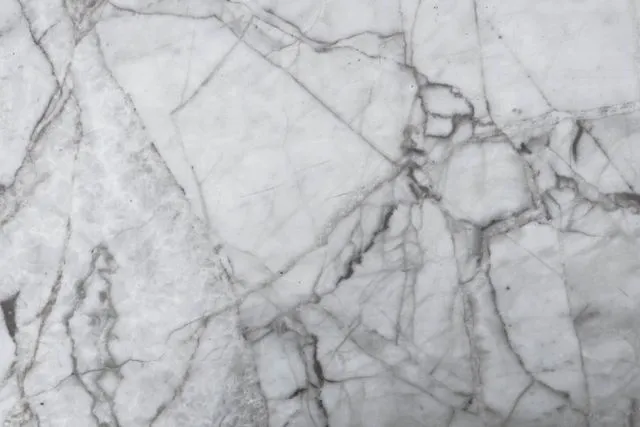
One of marble’s most sought-after features is its unique veining pattern. High-quality marble exhibits consistent color tones and natural, well-defined veining without abrupt or patchy discolorations. The veins should appear organic and flow smoothly across the slab, contributing to its aesthetic harmony.
2. Texture and Grain
The texture of marble should be uniform and fine-grained. High-quality marble will have a dense crystalline structure, which contributes to its strength and polishability. Coarse grains or uneven texture can signal lower quality or possible structural weaknesses.
3. Surface Finish and Polish
Superior marble takes an excellent polish and exhibits a deep, reflective shine without dull spots. The finish should feel smooth to the touch and highlight the stone’s natural beauty. High-quality marble will retain its polish over time with proper maintenance.
4. Thickness and Slab Size
Standard thickness for marble slabs ranges from 2 cm to 3 cm. Consistent thickness ensures stability and reduces the risk of cracks during installation. Larger slab sizes with fewer joints are often indicative of better quality since they allow for seamless surfaces.
5. Porosity and Water Absorption
Marble is naturally porous, but high-quality marble has lower porosity levels, making it less prone to absorb moisture and stains. You can perform a simple water test by placing a few drops on the surface and observing how quickly it absorbs. Slow absorption indicates better quality.
6. Structural Integrity
Inspect the slab for visible cracks, fissures, or pits. While some natural imperfections are typical, excessive cracks or holes can compromise the stone’s durability. High-quality marble has minimal structural flaws and is less likely to crack under stress.
7. Origin and Quarry Reputation
The provenance of marble can also influence its quality. Renowned quarries, such as those in Carrara, Italy, or Makrana, India, have long histories of producing premium marble. Understanding the source can provide insights into the expected grade and characteristics.
How to Inspect Marble Before Buying
Performing a thorough inspection before purchase helps ensure you select the best marble for your needs. Follow these steps for an effective evaluation:
1. Examine the Slabs in Natural Light
Always inspect marble under natural daylight conditions. Artificial lighting can distort color, hide imperfections, or exaggerate veins. Natural light reveals the stone’s true color, texture, and translucency.
2. Request Multiple Slabs to Compare
Viewing several slabs from the same batch helps you assess consistency and choose the most visually appealing piece. It also allows you to avoid slabs with unwanted defects.
3. Check for Uniform Thickness
Use a caliper or thickness gauge to measure the slab at multiple points. Uniform thickness indicates quality cutting and reduces installation challenges.
4. Perform a Water Absorption Test
As mentioned earlier, apply a few drops of water on different areas and observe absorption speed. High-quality marble absorbs water slowly, signaling better resistance to stains and damage.
5. Inspect the Back of the Slab
The back side can reveal structural issues such as cracks, fissures, or inconsistent texture. A clean and intact back indicates a well-processed slab.
6. Ask for Certification and Documentation
Request quality certificates, quarry information, and technical data sheets. Reputable suppliers provide documentation verifying the stone’s grade and compliance with construction standards.
Common Types of High-Quality Marble
Familiarizing yourself with popular high-quality marble varieties can help guide your selection:
Carrara Marble
Originating from Italy, Carrara marble is prized for its white background and soft gray veining. It is versatile and widely used in architecture and sculpture.
Calacatta Marble
Also from Italy, Calacatta is rarer than Carrara and features bold, dramatic veining on a pure white base. It is considered one of the most luxurious marbles.
Statuario Marble
Known for its bright white background and distinctive veining, Statuario combines the best qualities of Carrara and Calacatta and is commonly used in high-end interiors.
Makrana Marble
Sourced from India, Makrana marble is famous for its high density and low water absorption, making it durable and ideal for both interior and exterior applications.
Additional Tips for Buying Marble
Beyond physical inspection, keep these considerations in mind when purchasing marble:
1. Define Your Project Requirements
Understand where the marble will be installed, the expected traffic, and maintenance capabilities. Some marbles are better suited for countertops, while others work well for flooring or cladding.
2. Work with Reputable Suppliers
Choose suppliers with proven track records, positive reviews, and transparent sourcing practices. Reliable vendors offer guarantees and after-sales support.
3. Consider Maintenance and Sealing
High-quality marble still requires proper care. Plan to seal the marble periodically to prevent staining and maintain its luster.
4. Budget Wisely
Premium marble can be expensive, but investing in quality saves money long-term by reducing replacements and repairs.
Conclusion
Identifying high-quality marble before buying is a vital step to ensure your investment stands the test of time and enhances your space’s elegance. By carefully examining color, veining, texture, thickness, and origin—and by performing practical tests—you empower yourself to make an informed decision. Partnering with trusted suppliers and understanding your project needs will further ensure you select marble that not only looks stunning but also performs reliably for years to come.
Investing time in quality assessment not only saves you from costly mistakes but also guarantees the visual and structural excellence expected from this timeless natural stone.