Top Natural Stone Applications in Modern Commercial Architecture
Introduction to Natural Stone in Commercial Architecture
In the evolving landscape of commercial architecture, natural stone endures as an unrivaled material choice. Its timeless beauty, robust durability, and sustainability appeal make it indispensable in contemporary design. This article explores the top natural stone applications shaping modern commercial architecture, offering insight into why architects and developers continue to prioritize this material in their projects.
Why Natural Stone Remains a Preferred Material
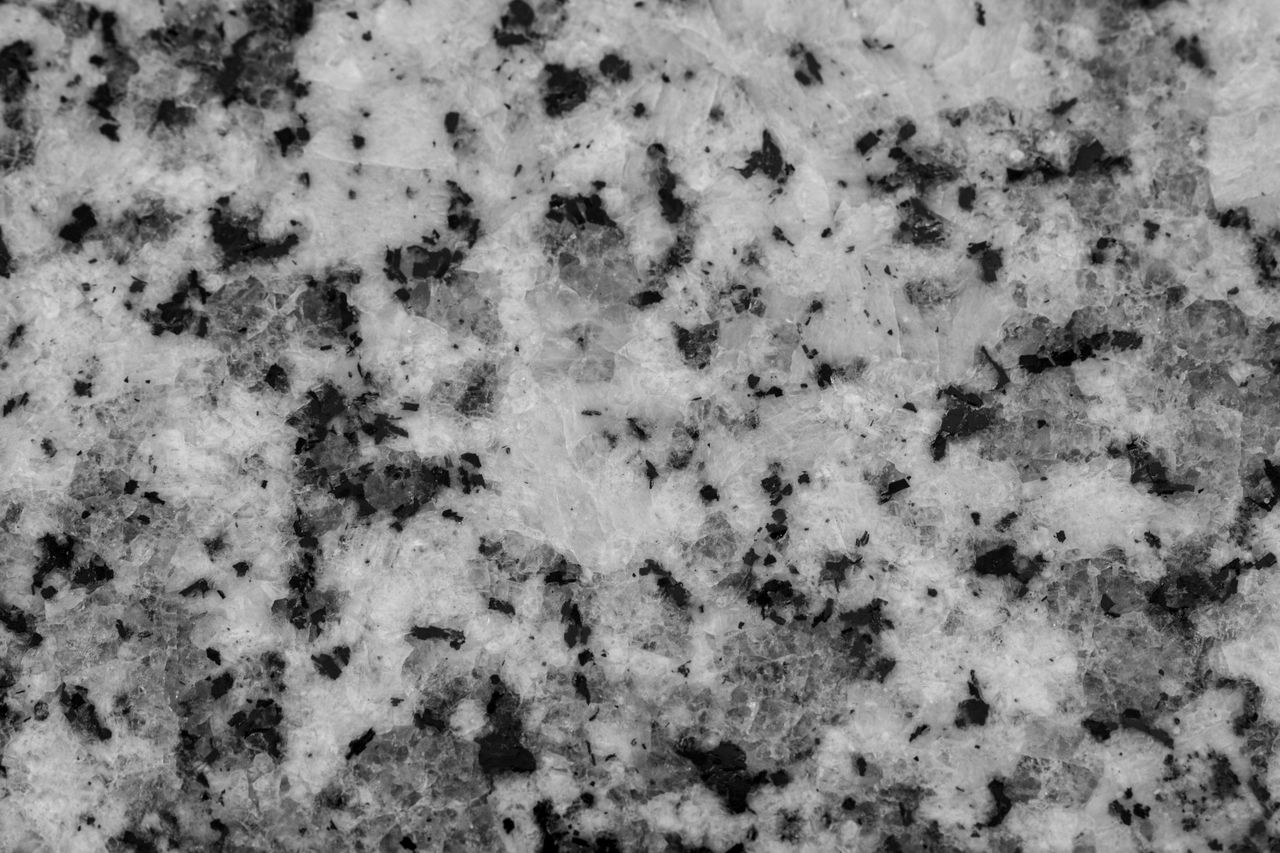
Natural stone combines aesthetic appeal with functional excellence, making it a top choice for commercial buildings. Unlike synthetic alternatives, natural stone provides a unique interplay of colors, textures, and patterns that cannot be replicated. Additionally, its inherent strength ensures longevity, reducing maintenance costs over time.
Durability and Longevity
Commercial spaces undergo heavy foot traffic and exposure to environmental elements. Natural stones such as granite, marble, limestone, and slate offer superior resistance to wear and tear, temperature fluctuations, and chemical agents. Their longevity makes them a cost-effective investment in the long term.
Sustainability and Environmental Impact
With increasing emphasis on green building practices, natural stone stands out for its environmentally friendly characteristics. It is a natural product with minimal processing requirements, reducing embodied energy. Moreover, stone is recyclable and can be reclaimed for future use, aligning with sustainable architecture goals.
Top Natural Stone Applications in Modern Commercial Architecture
1. Facades and Cladding
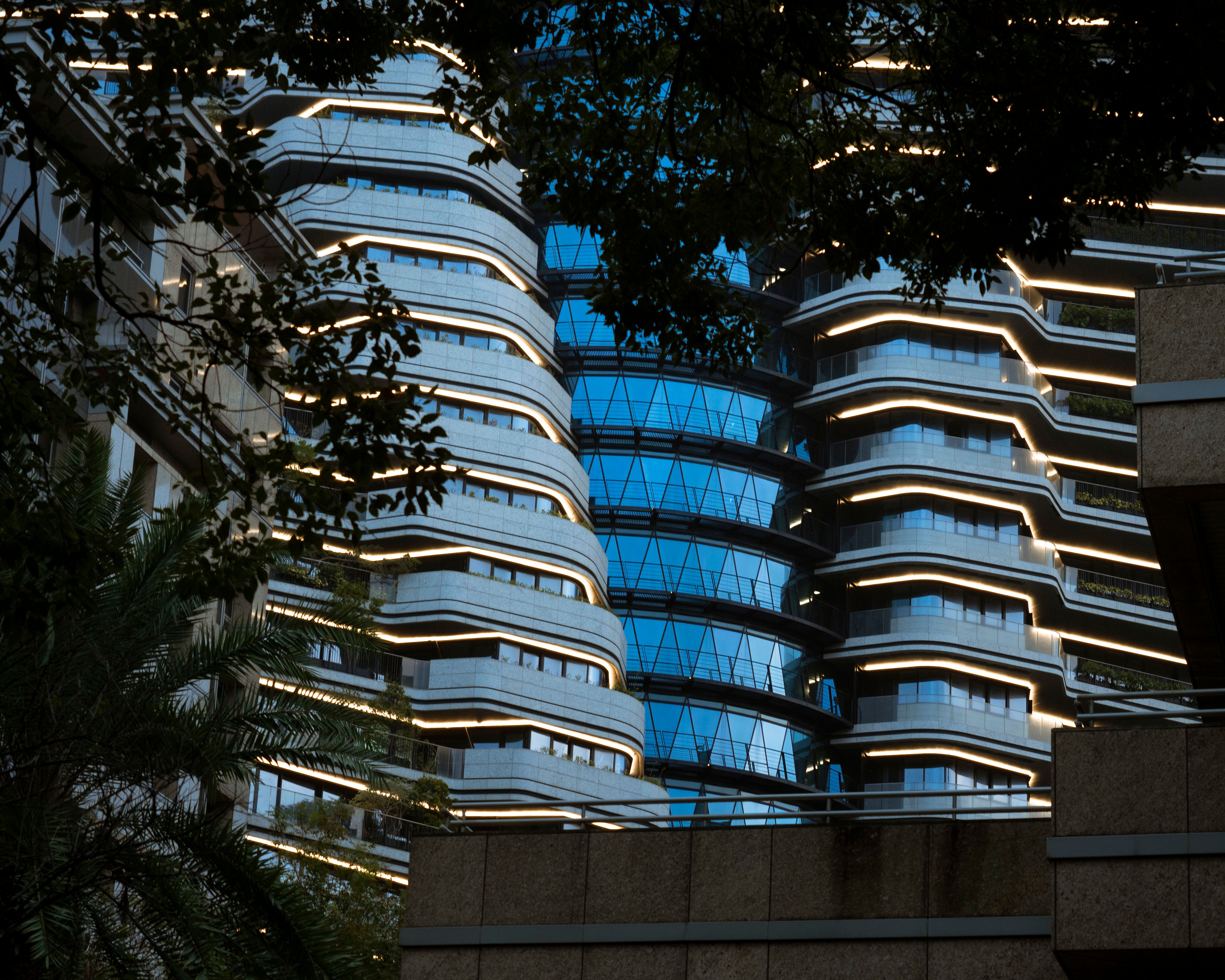
Stone facades remain a hallmark of commercial architecture, lending prestige and durability to office towers, hotels, and retail centers. Granite and limestone, in particular, are favored for their weather resistance and elegant finishes. Advances in anchoring systems allow for thinner stone panels, reducing structural load without compromising strength.
2. Flooring Solutions
Natural stone flooring conveys sophistication and resilience in commercial interiors. Marble and travertine are popular in lobbies and conference rooms for their polished, high-end appearance. Meanwhile, textured stones like slate provide slip resistance and are utilized in high-traffic areas and exterior walkways.
3. Interior Wall Cladding and Feature Walls
Architectural feature walls clad in natural stone create visual impact and tactile richness. The variation in stone grains and hues enables designers to craft distinctive focal points. Onyx and alabaster are increasingly chosen for backlit walls, adding luminosity and depth.
4. Countertops and Work Surfaces
In commercial kitchens, reception areas, and retail spaces, natural stone countertops combine functionality with elegance. Quartzite and granite offer scratch and heat resistance, essential for demanding environments. Their non-porous finishes also contribute to hygienic surfaces, critical in food-related businesses.
5. Landscaping and Exterior Pavements
Natural stone enhances commercial landscaping by providing durable, aesthetically pleasing pavements, steps, and retaining walls. Sandstone and flagstone are frequently employed to integrate architecture with natural surroundings, creating inviting outdoor spaces for employees and visitors alike.
6. Staircases and Balustrades
Grand staircases clad in natural stone elevate the architectural presence of commercial buildings. Stone balustrades provide structural safety while maintaining design cohesion. Marble and granite remain preferred materials due to their strength and refined appearance.
Case Studies: Natural Stone in Notable Commercial Projects
Examining real-world applications offers insight into contemporary trends and best practices.
The Shard, London
The Shard incorporates extensive granite and limestone cladding, harmonizing modern glass facades with natural stone. This combination provides durability against London’s climate while maintaining an iconic aesthetic.
One World Trade Center, New York
This landmark features a limestone base that reinforces the structure’s stability and complements its glass and steel elements. The stone’s texture adds a human scale to the expansive tower.
Apple Park, Cupertino
Apple Park utilizes natural stone extensively in outdoor plazas and interior flooring, emphasizing sustainability and user-centric design. Stone pavements appear throughout the landscape, blending built and natural environments seamlessly.
Maintenance and Longevity Considerations
While natural stone is inherently durable, proper maintenance is crucial to preserve its integrity in commercial settings. Routine cleaning with pH-neutral products prevents surface damage. Periodic sealing helps resist stains and moisture infiltration, particularly for porous stones like limestone and travertine.
Emerging Trends and Innovations
Technological advancements have expanded natural stone’s versatility in commercial projects. CNC machining allows for intricate stone detailing previously unattainable. Additionally, thinner stone veneers reduce material usage and weight, facilitating installation on diverse building types.
Integration with sustainable design principles is also driving innovation. For example, incorporating stone in thermal mass applications helps regulate building temperatures, contributing to energy efficiency.
Conclusion
Natural stone applications continue to play an integral role in modern commercial architecture, combining aesthetic grandeur with pragmatic benefits. From facades to flooring and landscaping, natural stone enhances the resilience, sustainability, and visual appeal of commercial structures. As architectural trends evolve, natural stone remains a timeless material, bridging heritage craftsmanship with contemporary innovation to meet the demands of today’s built environment.